
Molecular Diagnostics in the Microbiology Laboratory
A look at some of the newest generation ‘load and go’ molecular microbiology analyzers
26 Apr 2016

Microbiology has traditionally involved use of blood cultures, however molecular methods are increasingly employed in modern laboratories
For decades, pathogens have been isolated and grown in blood cultures, and detected using microscopes, serology and biochemical techniques. However the last few years have seen a revolution in modern microbiology.
The above tests still form the core work of most routine microbiology labs, but modern analytical techniques such as molecular diagnostics and mass spectrometry are increasingly being incorporated, to varying degrees, in laboratories around the world.
Molecular diagnostics refers to the analysis of nucleic acid from DNA or RNA. In the clinical microbiology lab, scientists are looking for the nucleic acid of microorganisms to confirm or exclude a diagnosis.
The molecular diagnostic work undertaken in the lab can vary from a simple, manual monoplex polymerase chain reaction (PCR) based test to complex automated, multiplex testing (testing for multiple pathogens simultaneously). Some of the newest generation ‘load and go’ molecular analyzers are detailed below.
VERIS Mdx Molecular Diagnostics System
The DxN VERIS combines sample prep and sample analysis steps into a single workflow. The automation of DNA extraction, purification, assay set-up and analysis saves the user time and also prevents user error and the risk of contamination. Using real-time PCR, the system is designed for multiplex assays and uses magnetic particle separation for nucleic acid extraction and purification. The initial test menu includes Cytomegalovirus, Hepatitis B, Hepatitis C and HIV-1 which are CE marked and available in Europe and other selected countries only. Beckman Coulter are developing tests for hospital acquired infections, sexually transmitted diseases and women’s health.
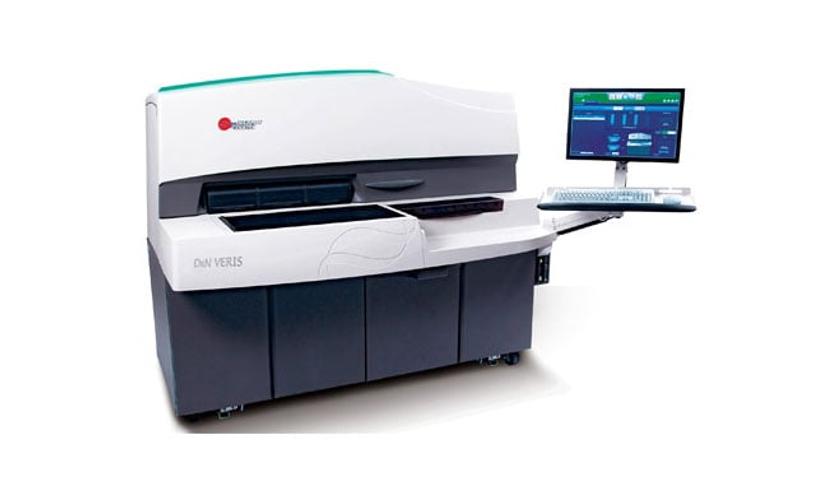
Beckman Coulter's VERIS Mdx Molecular Diagnostics System
ELITe InGenius™
The ELITe InGenius is a fully automated molecular system performing extraction, purification, amplification and detection automatically. The system uses RT-PCR in a closed system, in combination with the ELITe MGB® RT-PCR line, to offer CE-IVD testing for infectious diseases, but can also be used as an open system that is compatible with a large range of PCR chemistries. The platform has a comprehensive menu dedicated to transplant pathogens and can be used with MGB RT-PCR kits for Cytomegalovirus, Epstein Barr Virus, C- difficile and more.
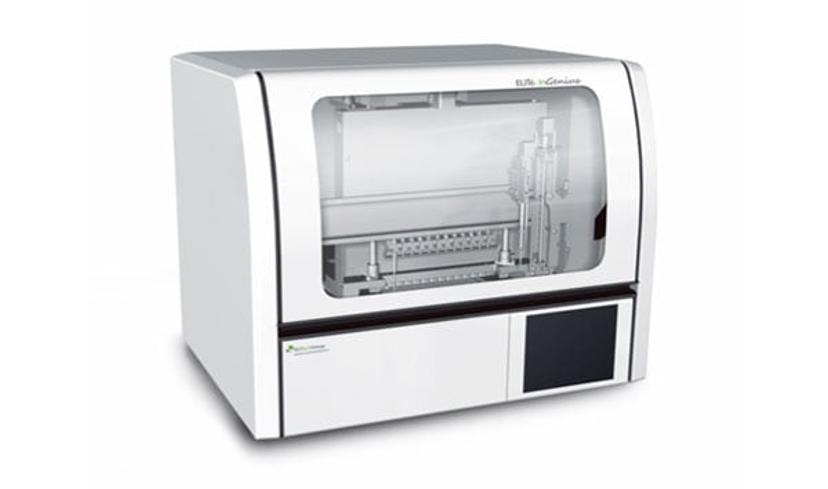
The ELITe InGenius™ from ELITech
Abbott IRIDICA
The IRIDICA system couples molecular diagnostics with state-of-the-art mass spectrometry for rapid infectious disease diagnostics. Using broad-range primers, that bind to relatively conserved regions of bacterial, fungal and viral genomes, the IRIDICA platform is able to identify more than 750 bacterial and candida species, over 200 fungi and more than 130 viruses. The system is able to provide a first result within six hours.
Read our exclusive SelectScience interview: The Changing Face of the Clinical Microbiology Lab: Introducing IRIDICA
Revolutionary times
Modern microbiology labs have seen significant changes over the last decade and the introduction of nucleic acid technology has been revolutionary. Currently, many of these tests provide additional information to traditional culture techniques but as the molecular tests continue to evolve it seems likely that the use of traditional culture methods will start to decline.