Laboratory Diagnosis of Zika Virus: What You Need to Know

How to manage suspected Zika virus cases in the laboratory

24 Jul 2016

Sonia Nicholas
Managing Editor and Clinical Lead

Editorial article

The Zika virus is transmitted by mosquito and the first US case has just been confirmed in Texas, USMicrocephaly Microcephaly is a term that encompasses a number of different disorders, in which a baby is born with a head smaller than usual. This also often means that a baby’s brain is also smaller and has not developed properly. The World Health Organisation (WHO) says a causal link between Zika virus and brain defects is strongly suspected.

The Zika virus is a mosquito borne virus that was first isolated in the Zika Forest of Uganda in 1947. The virus is currently spreading through more than 20 countries in the Americas including Brazil, Bolivia, Venezuela and Mexico.

Symptoms of Zika virus infection

The Zika virus causes a relatively mild infectious disease, symptoms include fever, headache, joint pain, rash and conjunctivitis. Although the Zika virus is capable of causing serious complications and deaths in adults, the greatest concern regarding this infection is that it appears to cause congenital abnormalities, Guillain-Barré syndrome and other neurological defects in unborn babies. In particular, Zika virus infection causes microcephaly, in which children are born with unusually small heads. In a small number of cases, children born with microcephaly may be able to lead an almost normal life, however the severity of this disorder can range significantly and many children are severely disabled and unable to lead a normal life.

Lab testing is essential for the accurate diagnosis of Zika virus. There are no clinically approved, commercially available tests for the diagnosis of Zika virus infection. Testing is performed in highly specialized laboratories using laboratory developed tests. Zika virus antigens, such as those produced by Aalto Bio Reagents, are being developed in the hope that a commercially viable diagnostic platform will soon be available.

Although evidence of infection can be determined in serum via the detection of viral nucleic acid or virus-specific IgM and related antibodies, there is strong serological cross-reactivity between Zika and dengue viruses. For this reason, the molecular testing of acute specimens is necessary1. During the initial acute phase of infection (the first week), Zika virus can be diagnosed using reverse transcriptase-polymerase chain reaction (RT-PCR) in serum.
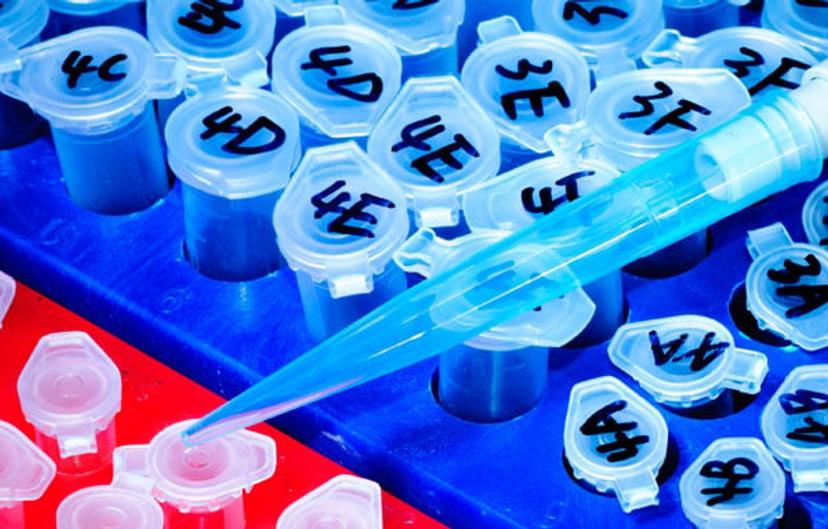
zika virus testing

Zika virus can be diagnosed using reverse transcriptase-polymerase chain reaction (RT-PCR) in serum

Once the acute phase testing window has closed, it is possible to detect Zika IgM in an ELISA test for several months after the onset of infection. However, due to the cross-reactivity between Zika and the dengue viruses, a positive result can only be indicative of a recent flavirus infection.

Laboratory testing in the UK

For suspected Zika cases in the UK, the Governmental advice is to ‘send the appropriate samples (with a full clinical and travel history) to Public Health England’s Rare and Imported Pathogens Laboratory (RIPL)'2. You can find further information in the Rare and Imported Pathogens Laboratory Specimen: Referral Guidelines and Service User Manual.

Laboratory testing n the US

For suspected Zika cases in the US, samples can be sent to the Centre for Disease Control (CDC). The CDC provides instructions for sending diagnostics specimens to CDC which include detailed instructions for completing the CDC specimen submission form 50.34.

References:

1. http://www.cdc.gov/zika/pdfs/denvchikvzikv-testing-algorithm.pdf

2. https://www.gov.uk/guidance/zika-virus#epidemiology

Links

Tags

MicrobiologyMicrobiology is the study of microorganisms including protists, prokaryotes, fungi, and, often, viruses. Microorganisms are a useful research tool as genetic vectors and, in immunology, for antibiotic susceptibility testing, cellular biology and genetics. Microorganisms commonly grow readily in incubators with microbial culture media; this can contain chromogenic supplements to differentiate between cell lines. Estimate your culture’s density of microorganisms with colony counters, or screen and select colonies for desirable clones with automated colony pickers. Additionally, equipment is available to monitor environments for the presence of microbes and identify with microbial identification instruments. Find the best microbiology products in our peer-reviewed product directory: compare products, check customer reviews and receive pricing direct from manufacturers.HematologyIn Haematology / Hematology, complete blood cell counts (or full blood counts) are obtained using automated blood count analyzers to enumerate blood cell types.  Hematology also encompasses haemostasis and coagulation, thrombophilia and hemophilia, plasma viscosity and ESR analysis, hemoglobinopathies, cell morphology and haematinic measurement.ImmunologyImmunological techniques measure and characterize immune responses. Immunology kits and analysis systems often use techniques such as ELISA, radioimmunoassay (RIA) and immunodiffusion assays, Immunohistochemistry, and flow cytometry. Immunologists use equipment such as flow Cytometers, plate readers, plate washers and fluorescent microscopes.Cell-Based AssaysCell-based assays are used to monitor the presence, quantity and activities of a desired cellular analyte including drug molecules or biomarkers. This can reveal information on cell health (apoptosis, cytotoxicity, viability and proliferation assays), cell metabolism, cell migration and cell signaling mechanisms. Find the best cell-based assay products, kits and equipment with our peer reviewed product directory: compare products, check customer reviews and receiving pricing direct from manufacturers.Point-of-CarePoint-of-Care Testing (POCT) or Near Patient Testing (NPT) products are available for urine, blood and other clinical chemistry analyses. POCT includes: blood glucose testing, blood gas and electrolytes analysis, rapid coagulation testing (PT / INR), rapid cardiac markers diagnostics, drugs of abuse screening, urine strips testing, pregnancy testing, fecal occult blood analysis, food pathogens screening, hemoglobin diagnostics, infectious disease testing and cholesterol screening.Clinical GeneticsMolecular Genetics covers the analysis of hereditary genetic disease and chromosomal abnormalities. Genetics can be analysed using DNA, RNA, and protein microarrays, PCR, RT PCR and DNA sequencing. Genetic equipment includes genetic workstations, thermal cyclers, cooling blocks and electrophoresis products. Diagnostic kits are used for DNA / RNA extraction and purification.Clinical MicrobiologyMicrobiology is the study of microorganisms including protists, prokaryotes, fungi, and, often, viruses. Microorganisms are a useful research tool as genetic vectors and, in immunology, for antibiotic susceptibility testing, cellular biology and genetics. Microorganisms commonly grow readily in incubators with microbial culture media; this can contain chromogenic supplements to differentiate between cell lines. Estimate your culture’s density of microorganisms with colony counters, or screen and select colonies for desirable clones with automated colony pickers. Additionally, equipment is available to monitor environments for the presence of microbes and identify with microbial identification instruments. Find the best microbiology products in our peer-reviewed product directory: compare products, check customer reviews and receive pricing direct from manufacturers.VirusesViruses are microscopic pathogens that require a host cell to replicate. Understanding their structure, replication cycle, and impact on the immune system is crucial in developing effective treatments, vaccines, and diagnostic methods. Research continues to focus on emerging viral diseases and antiviral drug discovery. Explore solutions for virus research, detection, and treatment in our peer-reviewed product directory; compare products, check customer reviews, and get pricing directly from manufacturers.ZikaOlympicsInfectious DiseasesInfectious diseases are caused by pathogens such as bacteria, viruses, and fungi. Effective detection, prevention, and treatment are crucial to control outbreaks and improve public health. Diagnostic tools, vaccines, and antimicrobial treatments are essential components of managing these diseases. Research into emerging pathogens and resistance patterns continues to evolve. Browse our peer-reviewed product directory to find the best diagnostic tools, prevention solutions, and treatment options; compare products, read customer reviews, and get pricing directly from manufacturers.
Laboratory Diagnosis of Zika Virus: What You Need to Know