
Cancer Mutation Profile in 72 Hours with Simple Blood Test
Guest Editor, Randall Evans, Ph.D of Biodesix, discusses the recent success of a clinical trial of a diagnostic blood test
4 Sept 2016
Editorial article
Randall Evans, Ph.D joined Biodesix as Vice President of Scientific and Medical Affairs in 2015 and has extensive professional experience in drug development, biomarker discovery and diagnostics. Biodesix discovers and commercializes cancer tests that help patients and their doctors make more informed decisions about treatment, based on a patient’s unique molecular profile. In this article, Randall Evans discusses a recent clinical trial that found ddPCR detection of EGFR and KRAS mutations in circulating tumor DNA, and EML4-ALK in circulating RNA, to be highly sensitive and specific. He also explains the advantages of fast, non-invasive tests for cancer patients and their caregivers.
Oncologists base their treatment decision on a number of different parameters including the patient’s clinical factors and the results of the myriad of scans and tests the patient undergoes. Patients are often left to wait for a treatment decision until the results are analyzed, thus greatly increasing the anxiety of the original cancer diagnosis.
The wait for results for a targeted mutation profile of a patient’s tumor has now been reduced to 72 hours. Results from a simple blood test (no invasive surgery) can determine whether the patient is eligible for targeted therapies such as EGFR tyrosine kinase inhibitors (TKIs) or whether the tumor has developed a T790M resistant mutation for which a 3rd generation TKI may be more appropriate.
In a recent publication (doi: 10.1001/jamaoncol.2016.0173) Geoff Oxnard, et.al. shared their findings on a prospective trial studying the use of droplet digital PCR (ddPCR)-based plasma genotyping for the detection of EGFR and KRAS mutations. Patients with advanced NSCLC (n = 180) were enrolled in the study and were either newly diagnosed with the disease (n = 120) or had acquired resistance to prior EGFR TKIs (n = 60) and were planned for rebiopsy. Patients underwent initial blood sampling and immediate plasma ddPCR screening for EGFR exon 19 deletion, EGFR L858R, the EGFR T790M acquired resistance mutation, or KRAS G12X. Biopsies for tissue genotyping were used to compare the accuracy of ddPCR. Among the enrolled patients, 80 had EGFR exon19/L858R mutations, 35 had T790M mutations and 25 had KRAS codon 12 (G12X) mutations. The median test turnaround time for liquid biopsy was 3 days. In comparison, the median turnaround time for tissue genotyping was 12 days for newly diagnosed patients and 27 days for patients with acquired EGFR inhibitor resistance. The liquid biopsy showed 100% positive predictive value for detecting EGFR 19 deletion, L858R, and KRAS mutations and a positive predictive value of 79% for T790M mutations. Sensitivity of ddPCR was 82% for EGFR 19 deletion, 74% for L858R, 77% for T790M, and 64% for KRAS. The authors conclude, “Droplet digital polymerase chain reaction–based plasma genotyping is a technology that is ready to be used for clinical decision making in patients with advanced NSCLC. This assay is capable of rapidly detecting EGFR and KRAS mutations with minimal false-positive test results and with the robustness needed for real-world testing. It has great utility for the detection of actionable genomic alterations in patients who are unable to undergo repeat biopsy and may even detect mutations missed by standard tissue genotyping due to tissue heterogeneity. As third-generation EGFR T790M inhibitors come into clinical use, the need for rebiopsy and potential role of plasma genotyping will expand dramatically.”
These finding are very exciting and help validate some of our own work at Biodesix. In May 2015, we launched GeneStrat®, (Biodesix’ targeted liquid biopsy mutation test for patients with advanced lung cancer). Utilizing similar methods to those of Dr. Oxnard, (ddPCR to analyze cell-free DNA, (cfDNA)), GeneStrat provides actionable information within 72 hours about EGFR sensitizing, EGFR T790M, KRAS, and BRAF mutations. GeneStrat performance data was presented at the Molecular Medicine TriCon meeting in March 2016, with EGFR sensitizing mutations showing 95.8% clinical sensitivity and 98.8% concordance and EGFR T790M resistance mutation showing 86.7% clinical sensitivity with 96.4% concordance.
One of the limitations of ddPCR mentioned in the JAMA article is the inability of ddPCR, using cfDNA, to detect complex genomic alterations/rearrangements such as ALK. Biodesix has overcome some of these limitations and added an EML4-ALK variant 1/2/3 specific assay to GeneStrat in January 2016. Employing circulating RNA isolated from blood samples, we developed and clinically validated the EML4-ALK fusion assay using ddPCR and presented the data at the recent Molecular Med TriCon conference. Performance for the GeneStrat EML4-ALK test showed approximately 85% clinical sensitivity and 92% concordance.
Taken together, Dr. Oxnard and colleagues’ prospective trial results and Biodesix’ test development efforts show the utility of liquid biopsy in the clinical setting. This is a dynamic time in the field of precision medicine and oncology diagnostics. More importantly this is an exciting time for patients and their caregivers. We have the tools at hand, to not only allow for the molecular diagnosis of a broad population of lung cancer patients, but also, in some cases, to prevent costly and invasive procedures with potentially life-threatening consequences. Returning these results within 3 days allows physicians to make rapid treatment decisions and helps to reduce some of the anxiety for patients in knowing their test results and treatment sooner.
Visit the SelectScience Liquid Biopsy Special Feature to get the latest news and innovations.
Find out more about Biodesix on the website and learn more about digital PCR in this video.
Related products
Request Quote for All Products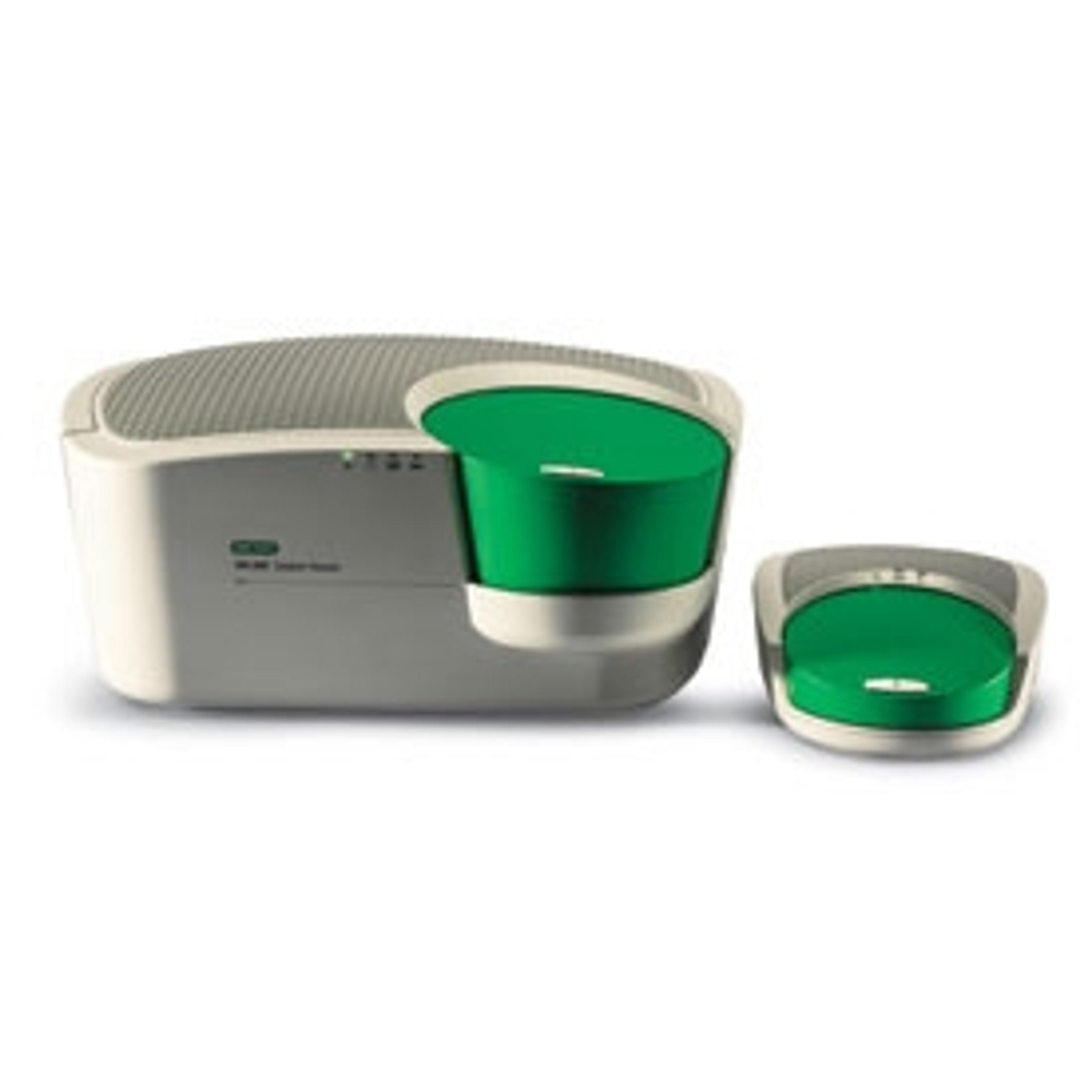
QX200™ Droplet Digital PCR System
Bio-RadDroplet Digital PCR System, includes droplet generator, droplet reader, laptop computer, software, associated component consumables, for EvaGreen or probe-based digital PCR applications
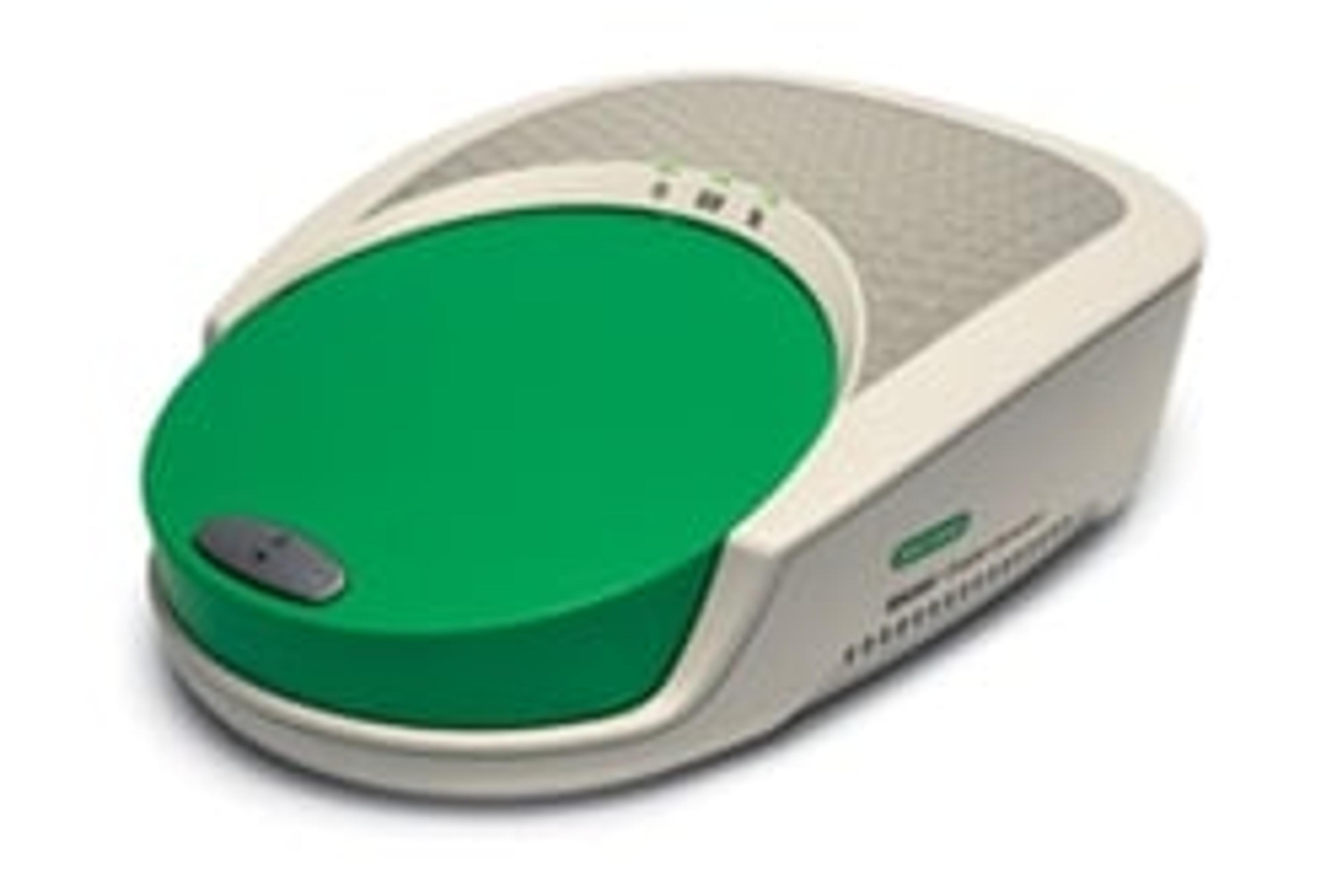
QX200™ Droplet Generator (1864002)
Bio-RadDroplet generator for EvaGreen or probe-based digital PCR applications, for use with QX200™ Droplet Digital™ PCR System