
ResourceSpectroscopy
Process and Quality Control Solutions by Time Domain NMR Analysis for Polymer Industries
4 Aug 2015Bruker’s versatile TD-NMR applications are widely used in the study of polymerization reaction kinetics, material properties of filled and modified polymers and failure analysis. Discover the range of applications supported by Bruker’s minispec systems and key advantages compared to optical methods.
Related products
Request Quote for All Products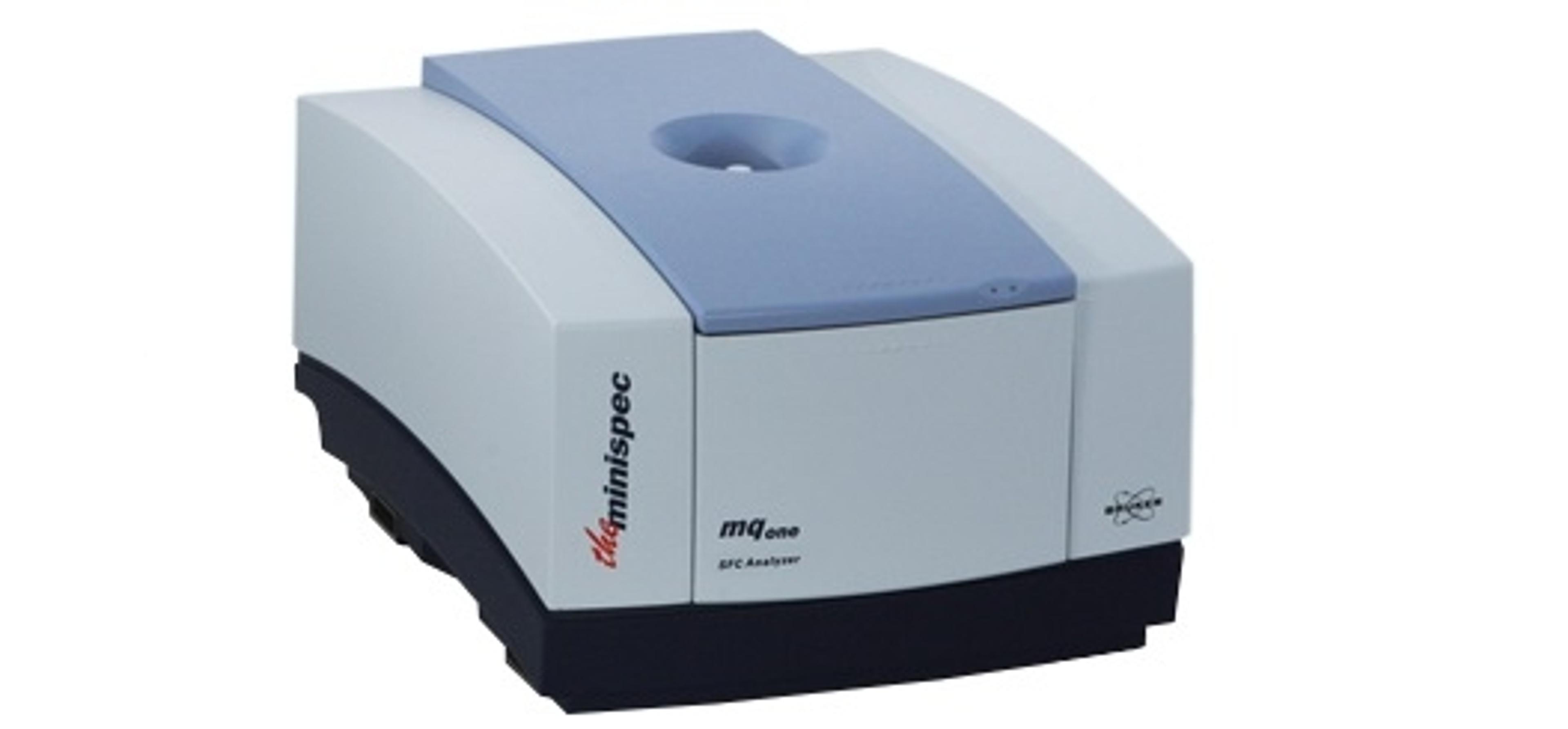
Minispec mq-one Series TD-NMR Analyzer
Bruker BioSpinThe One Solution for Your Dedicated QC Application
Links
Tags
NMR and EPR SpectroscopyNuclear magnetic resonance (NMR) spectroscopy is used to resolve the local chemical environment of atomic nuclei with spin, revealing information on molecular structure, dynamic processes and chemical reactions of organic molecules, from proteins to synthetics. Electron paramagnetic resonance (EPR) also known as electron spin resonance (ESR) spectroscopy is used to detect and quantify paramagnetic species in a sample, including free radicals as transition metal ions. By immersing the sample in a strong magnetic field, both NMR and EPR spectrometers probe the sample with either radio waves or microwaves respectively. A range of benchtop, solid-state and time domain NMR spectrometers & EPR spectrometers are available, as well as NMR tubes, NMR solvents, software, coils, and magnets. Find the best NMR & EPR equipment in our peer-reviewed product directory: compare products, check customer reviews and receive pricing direct from manufacturers.PolymersPolymers are large molecules made up of many repeat units. Natural polymers such as DNA and proteins are essential to life, whereas synthetic polymers such as polystyrene and polyethylene are used widely due to their functionality. Typical techniques for analysis include GPC, SEC, DSC, FT-IR and NMR.