NewsLife Sciences
Standardizing microbiome research: culture from discovery to production
Download the microbiome workflow poster from Eppendorf
4 Aug 2019
Charlie Carter
Life Sciences Editor
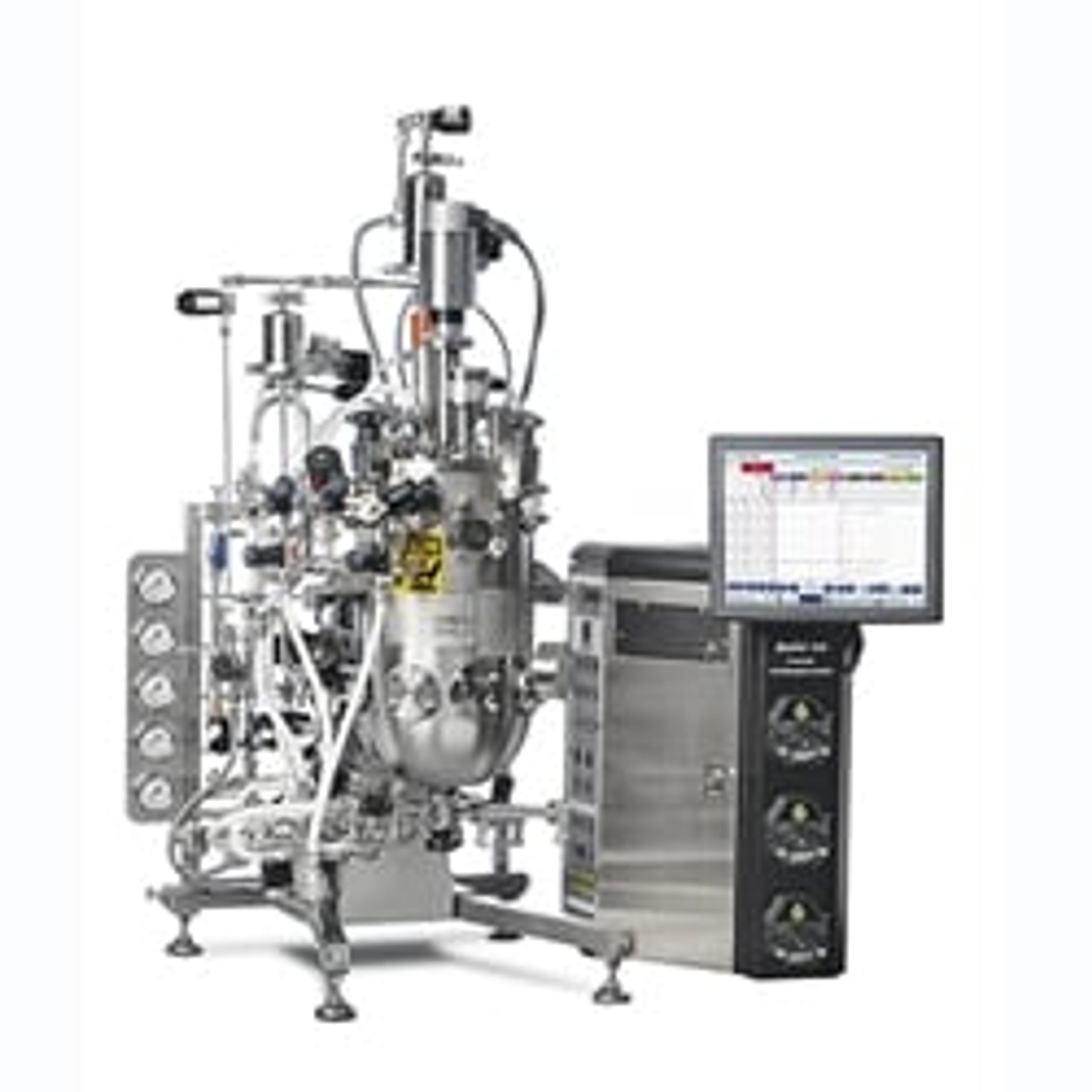
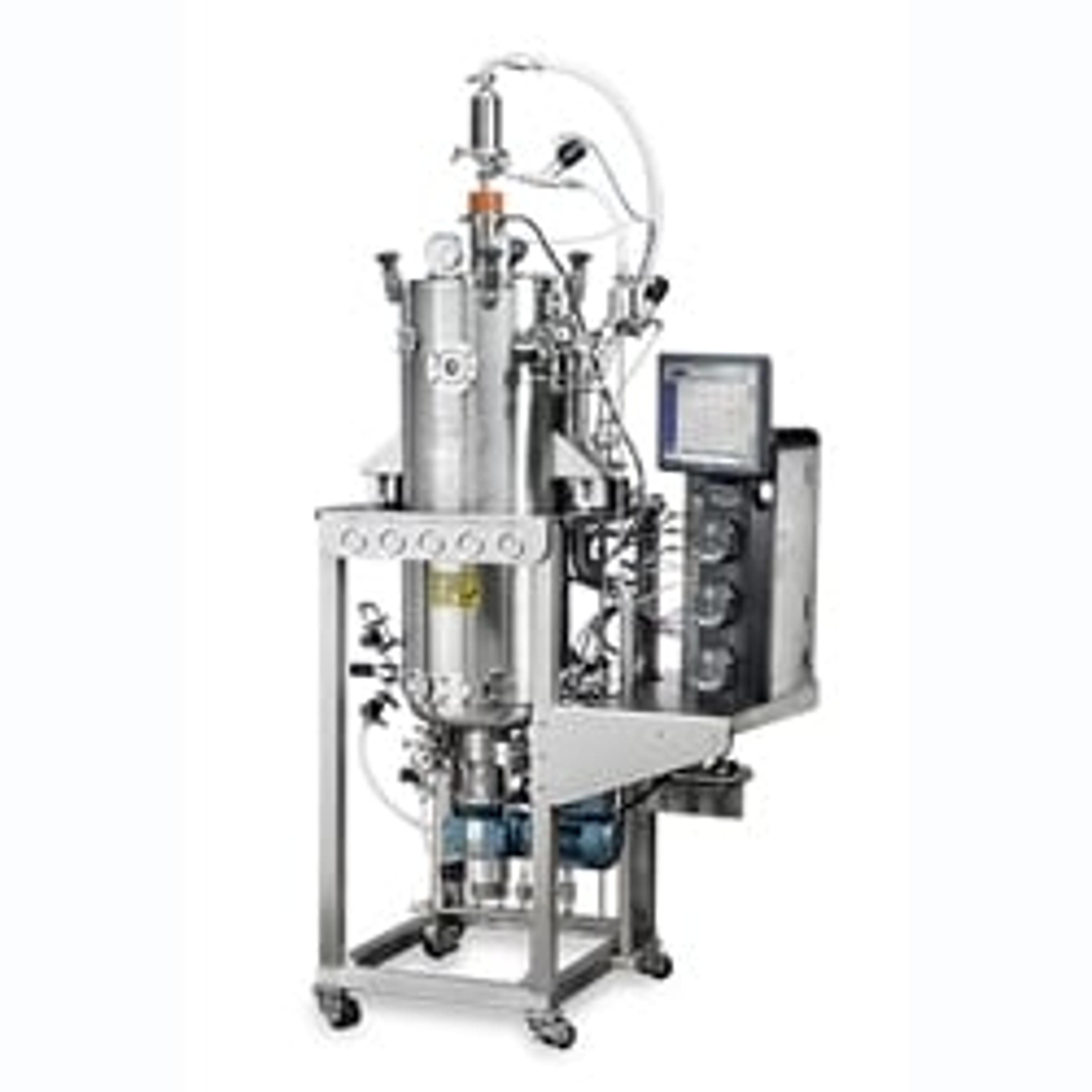
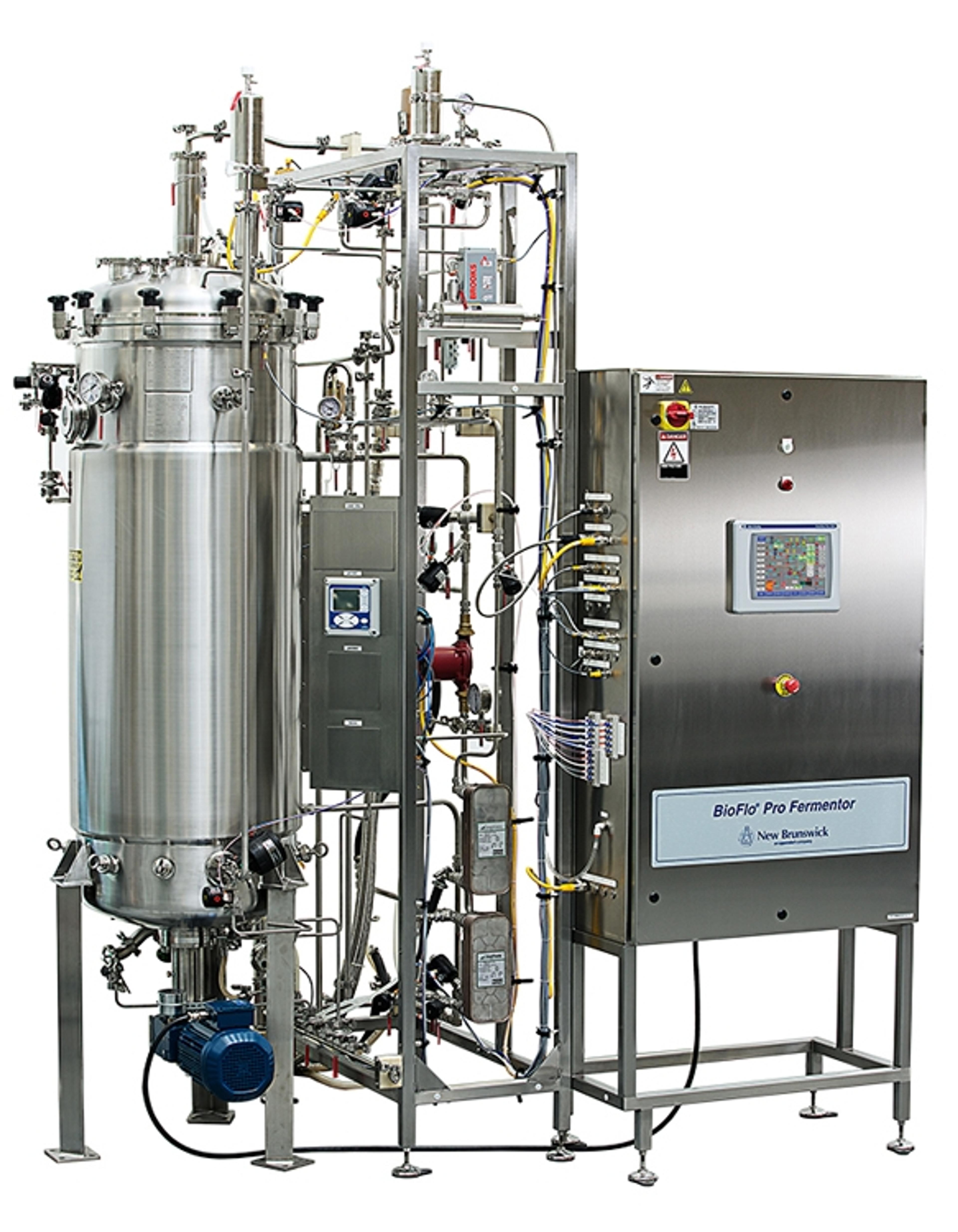
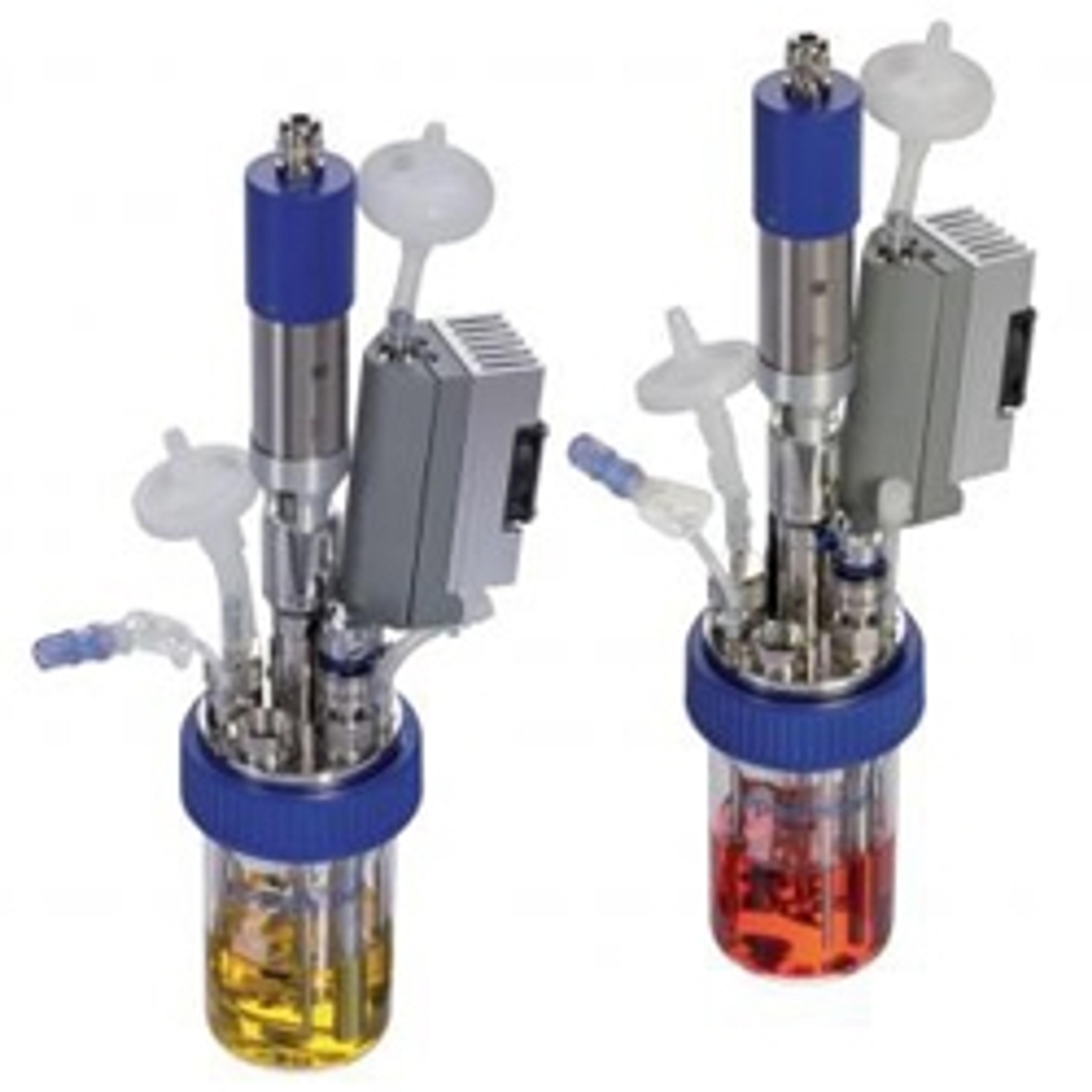
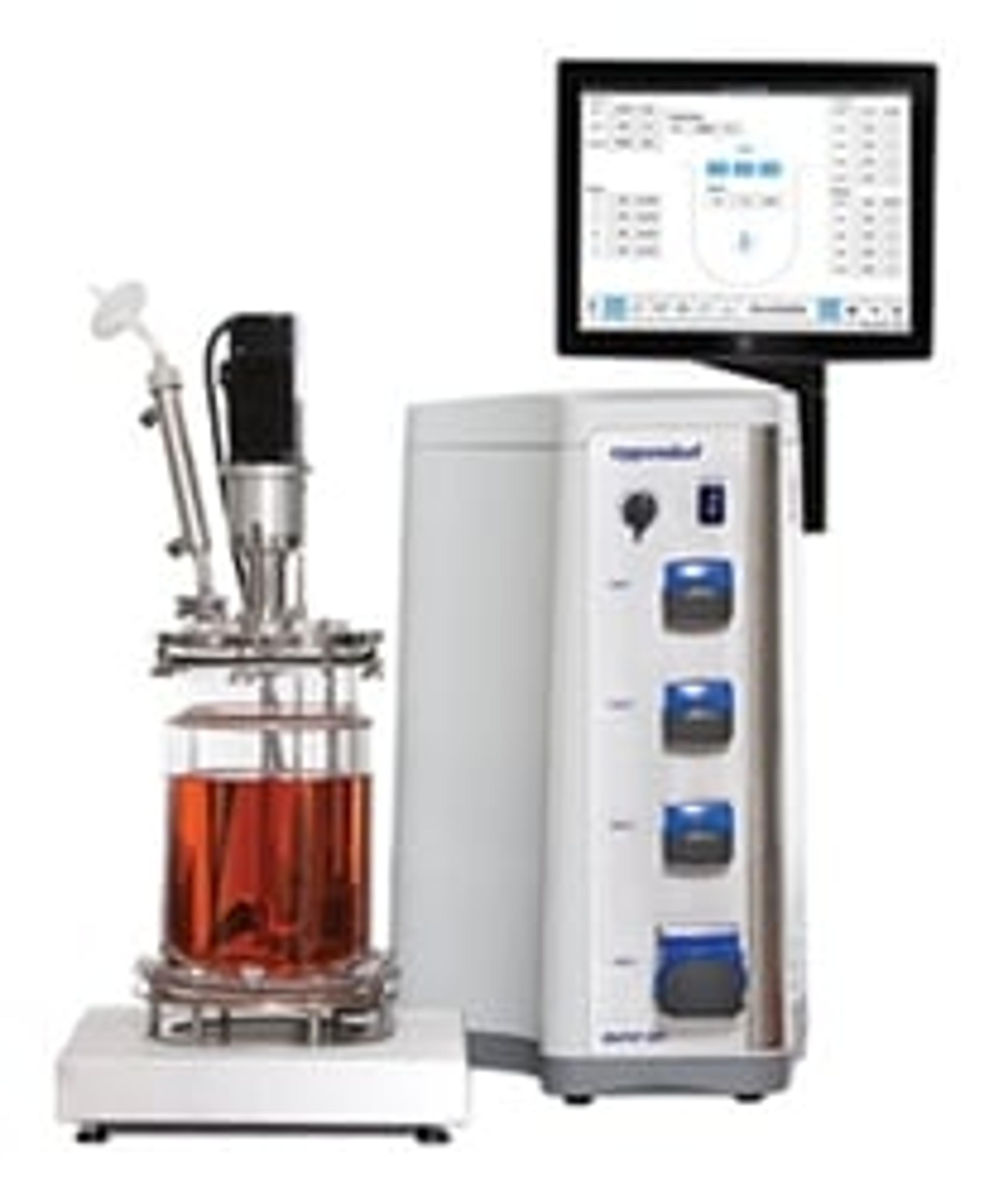
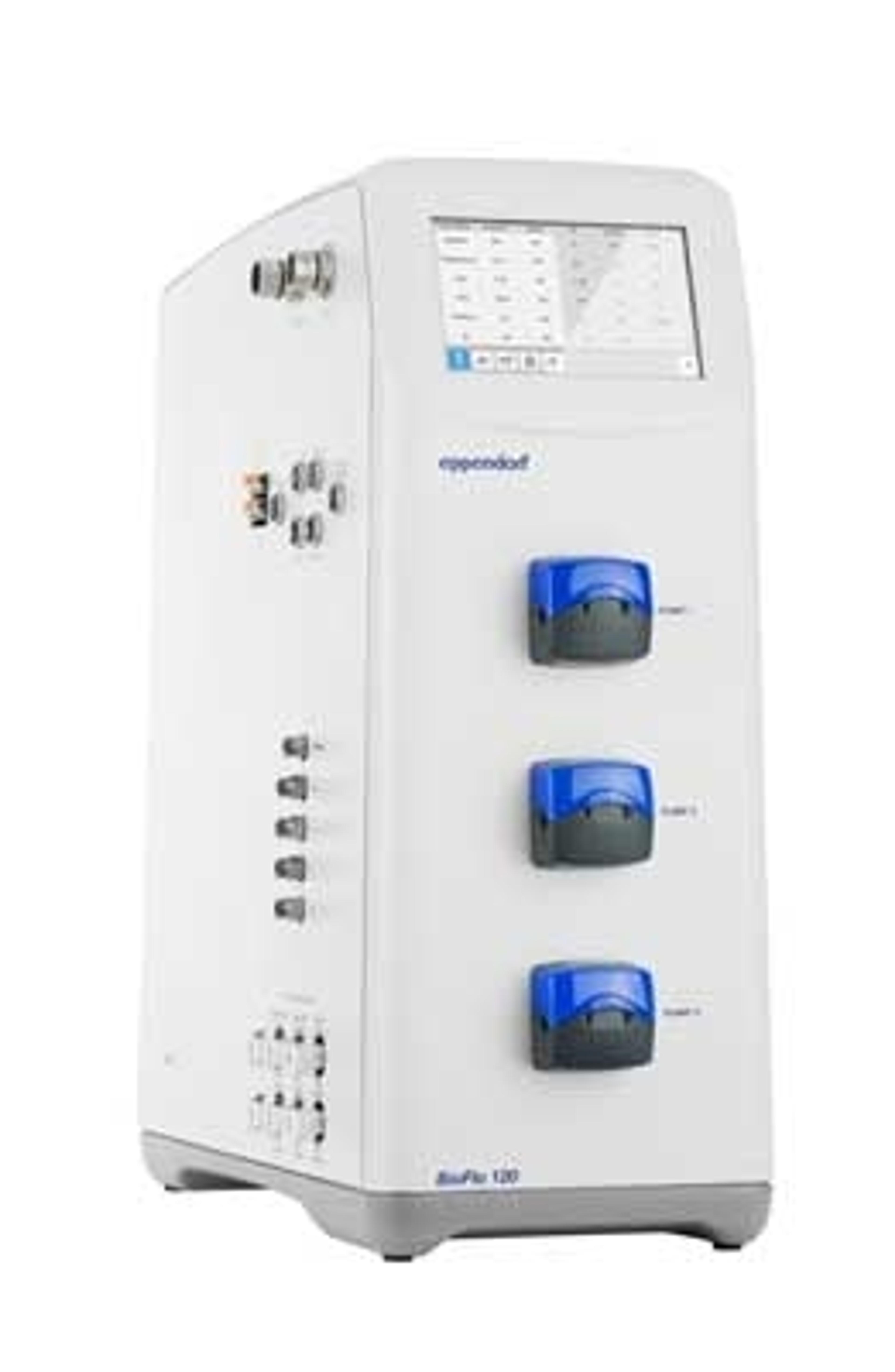
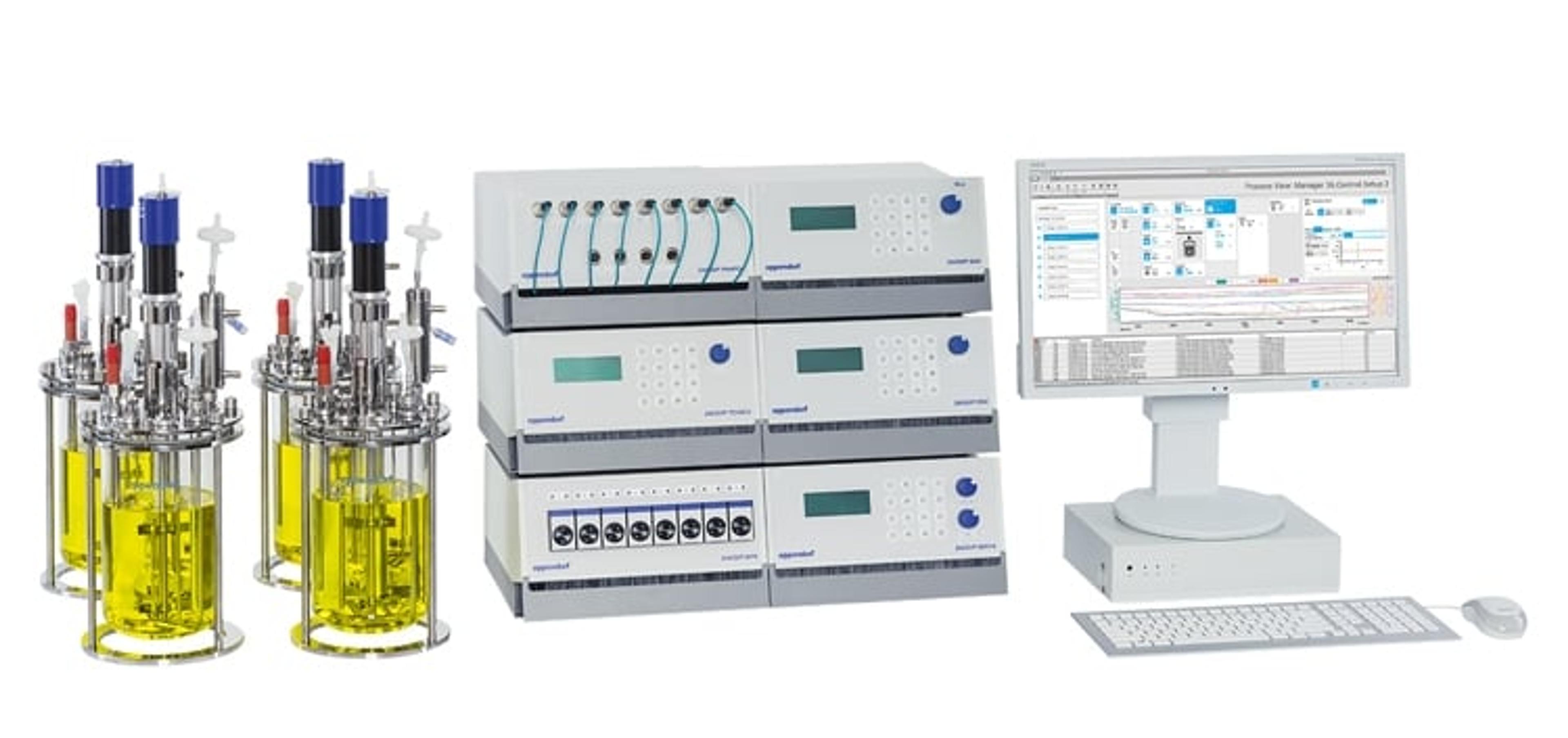
Eppendorf supports the microbiome workflow, from sample management to sample preparation and analysis to bacterial culture. This workflow takes into account the different growth conditions required for different microbe samples and allows for the monitoring and control of oxygen, pH, temperature, and liquid addition.
In this poster, Eppendorf outlines a microbiome culture workflow covering the diverse culturing needs of gut microbes and the scalable bioprocess systems that are available for culture research to production.
Want to know more? Download the poster here >>
Links
Tags
MicrobiologyMicrobiology is the study of microorganisms including protists, prokaryotes, fungi, and, often, viruses. Microorganisms are a useful research tool as genetic vectors and, in immunology, for antibiotic susceptibility testing, cellular biology and genetics. Microorganisms commonly grow readily in incubators with microbial culture media; this can contain chromogenic supplements to differentiate between cell lines. Estimate your culture’s density of microorganisms with colony counters, or screen and select colonies for desirable clones with automated colony pickers. Additionally, equipment is available to monitor environments for the presence of microbes and identify with microbial identification instruments. Find the best microbiology products in our peer-reviewed product directory: compare products, check customer reviews and receive pricing direct from manufacturers.Clinical MicrobiologyMicrobiology is the study of microorganisms including protists, prokaryotes, fungi, and, often, viruses. Microorganisms are a useful research tool as genetic vectors and, in immunology, for antibiotic susceptibility testing, cellular biology and genetics. Microorganisms commonly grow readily in incubators with microbial culture media; this can contain chromogenic supplements to differentiate between cell lines. Estimate your culture’s density of microorganisms with colony counters, or screen and select colonies for desirable clones with automated colony pickers. Additionally, equipment is available to monitor environments for the presence of microbes and identify with microbial identification instruments. Find the best microbiology products in our peer-reviewed product directory: compare products, check customer reviews and receive pricing direct from manufacturers.Bioprocessing / FermentationBioprocessing is the use of biological materials to perform commercial, scientific or medical research processes. Biological materials used include cells, enzymes and organisms. Usually bioprocessing requires a batch or continuous bioreactor such as a fermentor or cell culture system. The advantages of using a reactor include high productivity, easy configuration, adjustable values and automation.MicrobiomeMicrobiome research focuses on the complex communities of microorganisms living in and on humans, animals, plants, and environments. It plays a crucial role in health, disease, and ecological balance. Explore tools and resources for microbiome analysis, including sequencing platforms and bioinformatics software.Cell CultureCell culture involves growing cells under controlled conditions, typically outside of their natural environment, to study cellular behavior, drug response, and disease models. Cell culture is crucial in biotechnology and biomedical research. Explore cell culture products in our peer-reviewed product directory; compare products, check reviews, and get pricing directly from manufacturers.