
ResourceSpectroscopy
Speciation of Arsenic in Apple Juice by LC-ICP-MS on PlasmaQuant® MS Elite
26 Apr 2017The different physico-chemical forms of most elements vary in terms of mobility, toxicity and bioavailability. Reporting only the total concentrations can often be misleading. Fruits can be highly polluted with arsenic today, due to the use of arsenic-based pesticides during the past century. This application note shows the sensitivity and detection capabilities of the PlasmaQuant MS Elite for arsenic speciation in apple juice.
Related products
Request Quote for All Products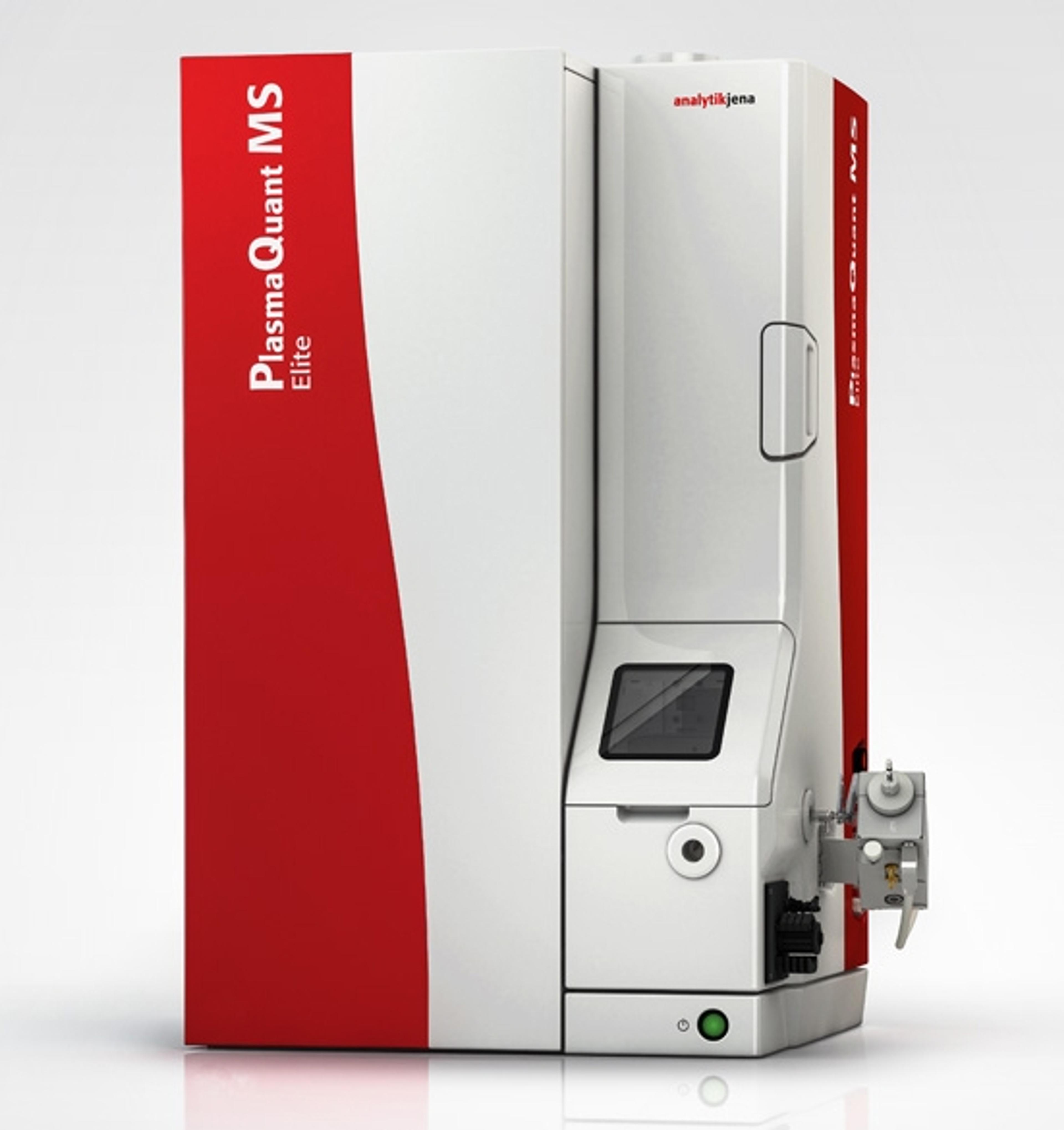
Links
Tags
LC-MSLC-MS (liquid chromatography-mass spectrometry) systems and equipment are used for separation and quantitative analysis of complex mixtures, combining liquid chromatography and mass spectrometry. Quantify proteins, contaminants, pesticides or screen for drug metabolites with a high level of sensitivity. LC-MS systems and equipment include reverse phase, normal phase and specialized columns integrated with various MS detectors such as time-of-flight (TOF), quadrupole, orbitrap or ion trap mass analyzers. LC-MS/MS instruments equipped with a qTOF or triple quadrupole analyzer give greater sensitivity and resolving power to your analysis. Find the best LC-MS equipment in our peer-reviewed product directory: compare products, check customer reviews and receive pricing direct from manufacturers.Food and Beverage AnalyzersFood and Beverage Analyzers are commonly used to provide information about the chemical composition, structure and physical properties of food materials.PesticidesPesticides are used to protect crops from diseases, pests and unwanted plants. They are classed as persistent organic pollutants (POPs) and can be harmful to humans. The Environmental Protection Agency (EPA) currently regulates the use of pesticides in the USA. Fruit JuiceArsenicArsenic is a toxic element that is used in the production of pesticides. Arsenic contamination of groundwater is a major issue for both drinking water and for uptake in foodstuffs such as rice.Food SafetyFood safety describes the prevention of food-borne illnesses. Contamination with a variety of pathogens can be prevented with adequate temperature control, hygiene and labeling. Food samples can be tested using GC/MS, HPLC, SPE, and qPCR to ensure their adherence to regulations.