
Considerations for Selecting the Optimal Stationary Phases for Proteomic Trap-and-Elute Nanochromatography
18 Dec 2017This white paper reviews various experimental parameters that influence the chromatographic performance of a trap-and-elute nanoLC method. The most important step in the method development process is to select an appropriate column and trap pair that maximizes chromatographic resolution so that the method is capable of thoroughly identifying proteolytic peptides.
Related products
Request Quote for All Products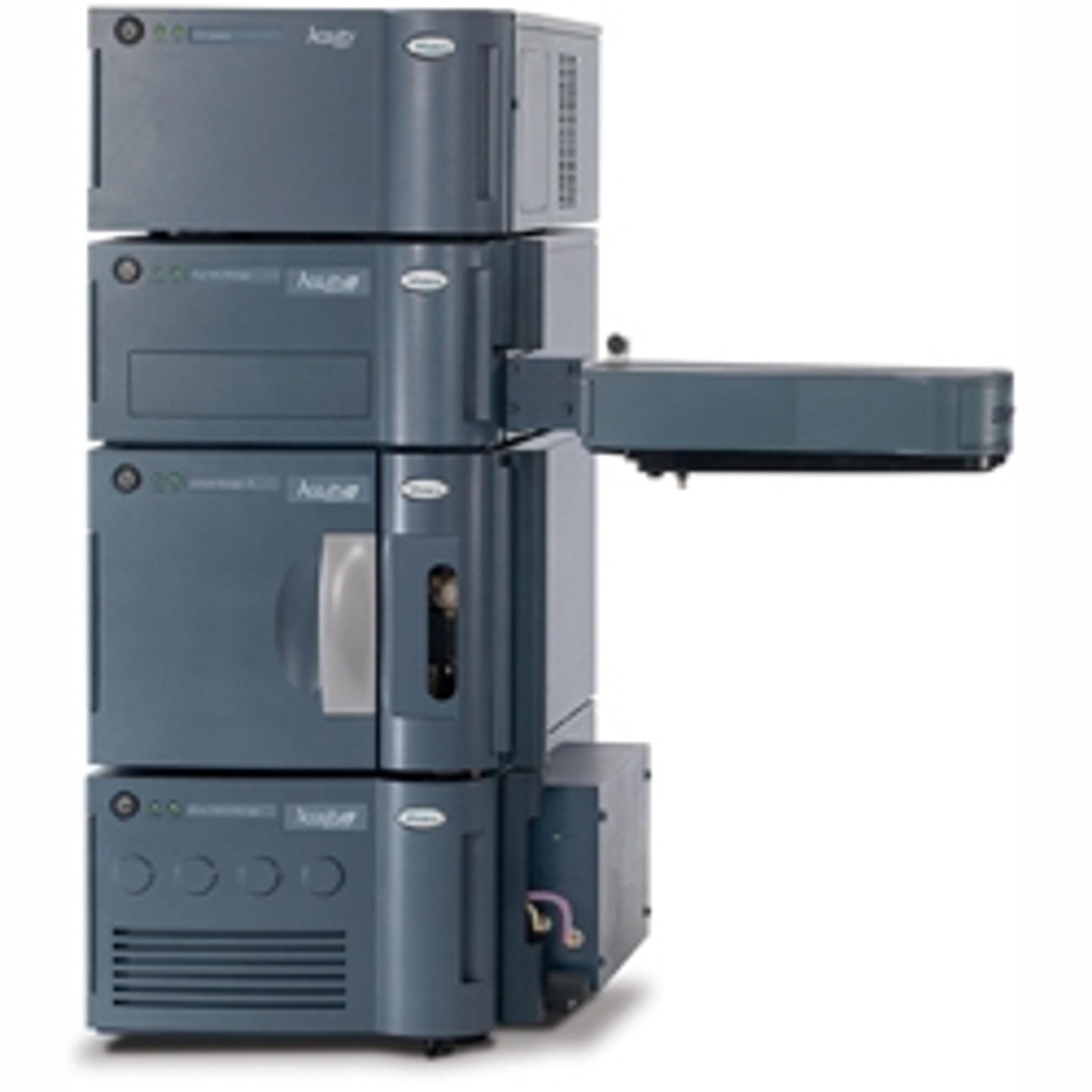
ACQUITY UPLC M-Class System
WatersThe analysis you’ve always desired for nano- to microscale separations The ACQUITY UPLC M-Class System delivers the most robust, reliable, and highest quality nano- to microscale UPLC separations to every laboratory performing LC/MS analyses. With unprecedented usability, the ACQUITY UPLC M-Class System enables laboratories to succeed in analyzing compounds that are severely limited in amount or availability, even amid a complex matrix over several orders of magnitude. Confidently achieve your laboratory goals with high-efficiency ACQUITY UPLC M-Class Columns ranging from 75 µm to 1 mm I.D. by using complementary mass spectrometry to support our full range of column I.D.’s, or run 300 µm to 1 mm I.D. columns with optical detection.The system also offers a range of flexible configurations for HDX technology, UV detection, and 2D analysis.ACQUITY UPLC M-Class System Features: Highest sensitivity - UPLC separations yield increased analyte concentration for higher UV and MS signal responses Maximum chromatographic resolution - New 15k psi-capable ACQUITY UPLC M-Class Columns deliver sub-2-µm particle performance Faster nano- and microscale separations - Increased operating pressures yield maximum flexibility for higher throughput analyses Higher resolution with longer columns - Increased pressure enables more separation power Confidence in sample analysis - New non-reactive wetted surfaces throughout the fluidic path minimize absorptive losses Increased solvent compataibility - Improved range of solvent blends precisely metered for gradient fidelity Increased sample capacity - Sample organizer compatibility allows you to store a wide variety of plates and vials in the system for longer, unattended operation UV compatibility - UV flow cells compatible with 300 µm to 1.0 mm I.D. columns to augment your UPLC/MS analysis Scalability - With flow rates from 200 nl/min to 100 µL/min, achieve the best chromatographic performance, from 75 µm to 1.0 mm I.D. columns covering a 170-fold range of column sizes Increased flexiblity - More value configurations enable a variety of applications, icnreased throughput, and maximized peak capacity
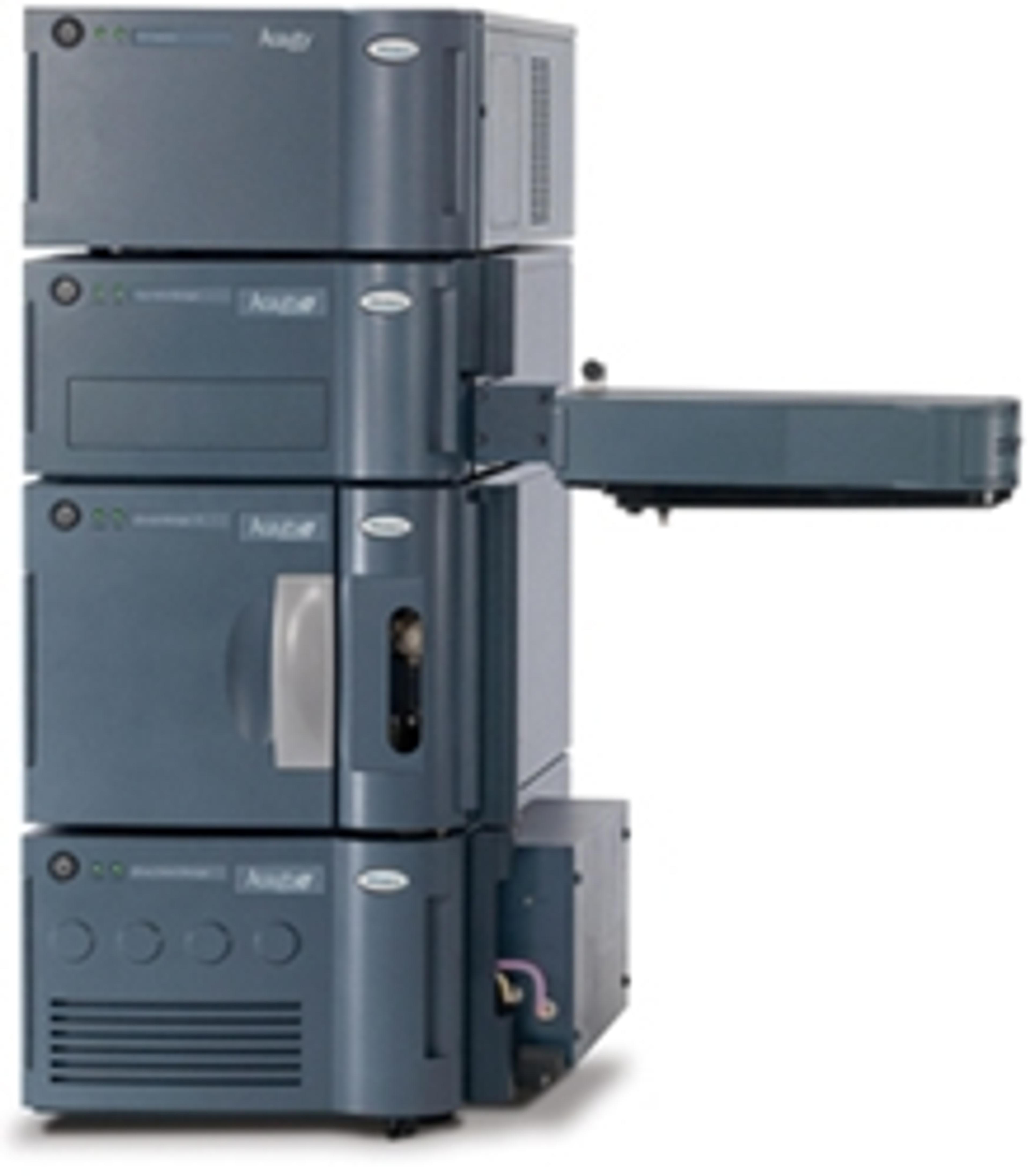
ACQUITY UPLC M-Class System with HDX Technology
WatersThe ACQUITY UPLC® M-Class System with HDX Technology leverages UPLC® separations and high-resolution MS to answer important questions about changes in protein conformation including: Drug candidate binding to a protein Biopharmaceutical product development Protein-protein interactions Intellectual Property The unprecedented system-level design integrates all the steps necessary to accurately, reproducibly, and most of all, easily, perform protein conformation studies. The system and its DynamX™ HDX Analysis Software removes the barriers to adopting high resolution LC and MS for routine studies of protein conformational changes, making hydrogen deuterium exchange with MS (HDX, HDX MS, HXMS, or H/D exchange) a core competency for your laboratory.
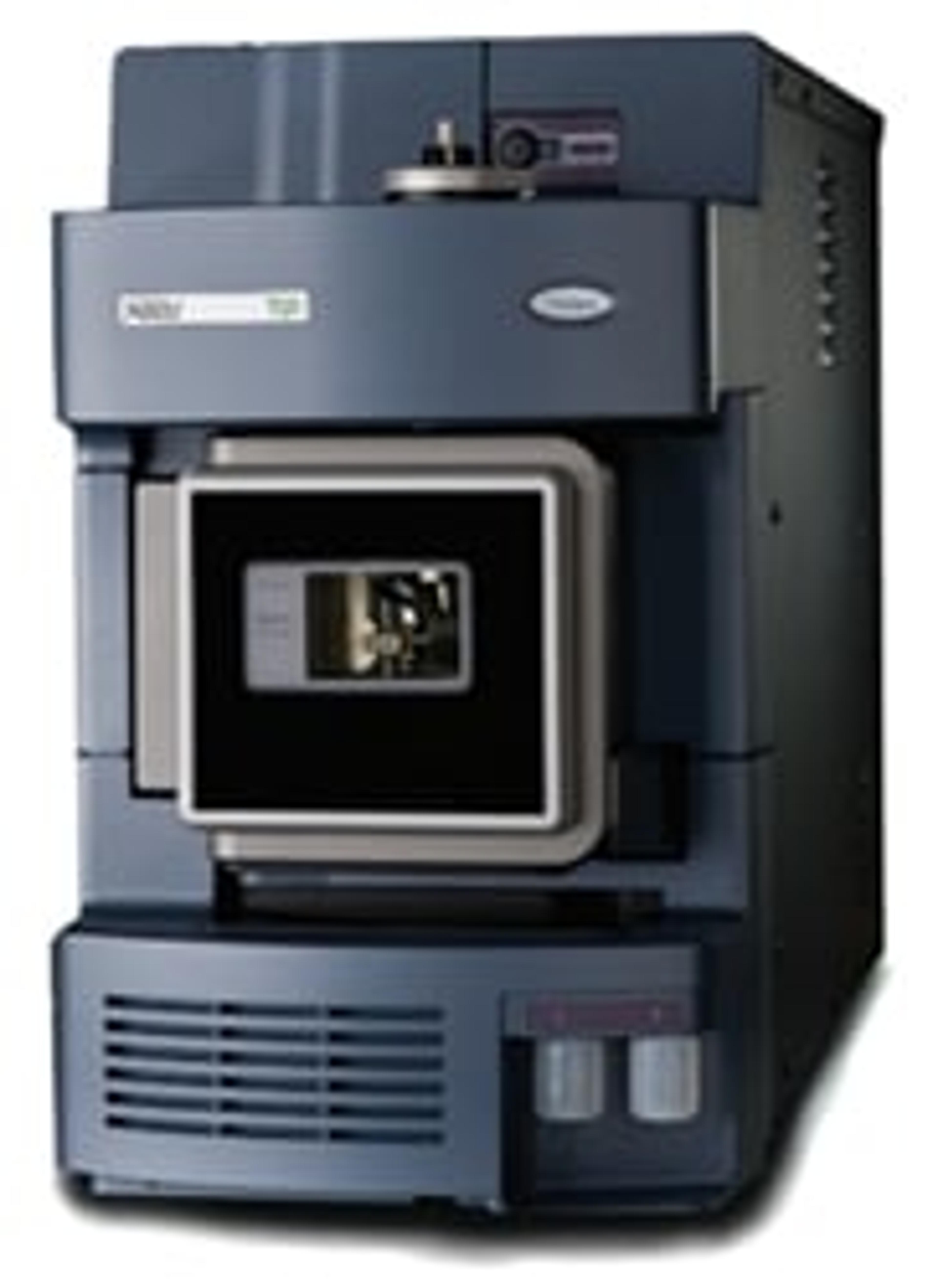
Xevo TQD Triple Quadrupole mass Spectrometer
WatersInformation-rich, robust quantitative data, accessible to everyone.