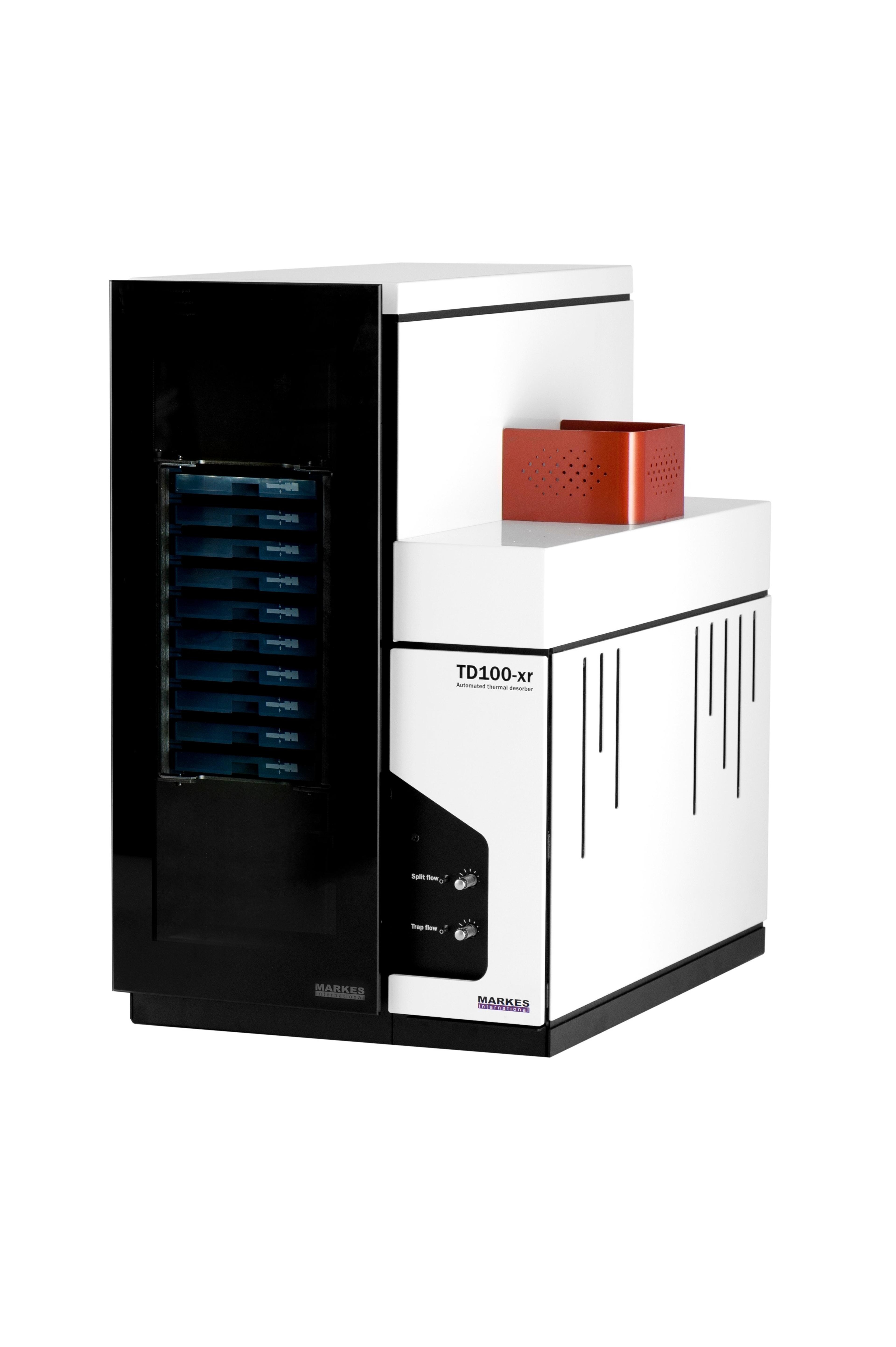
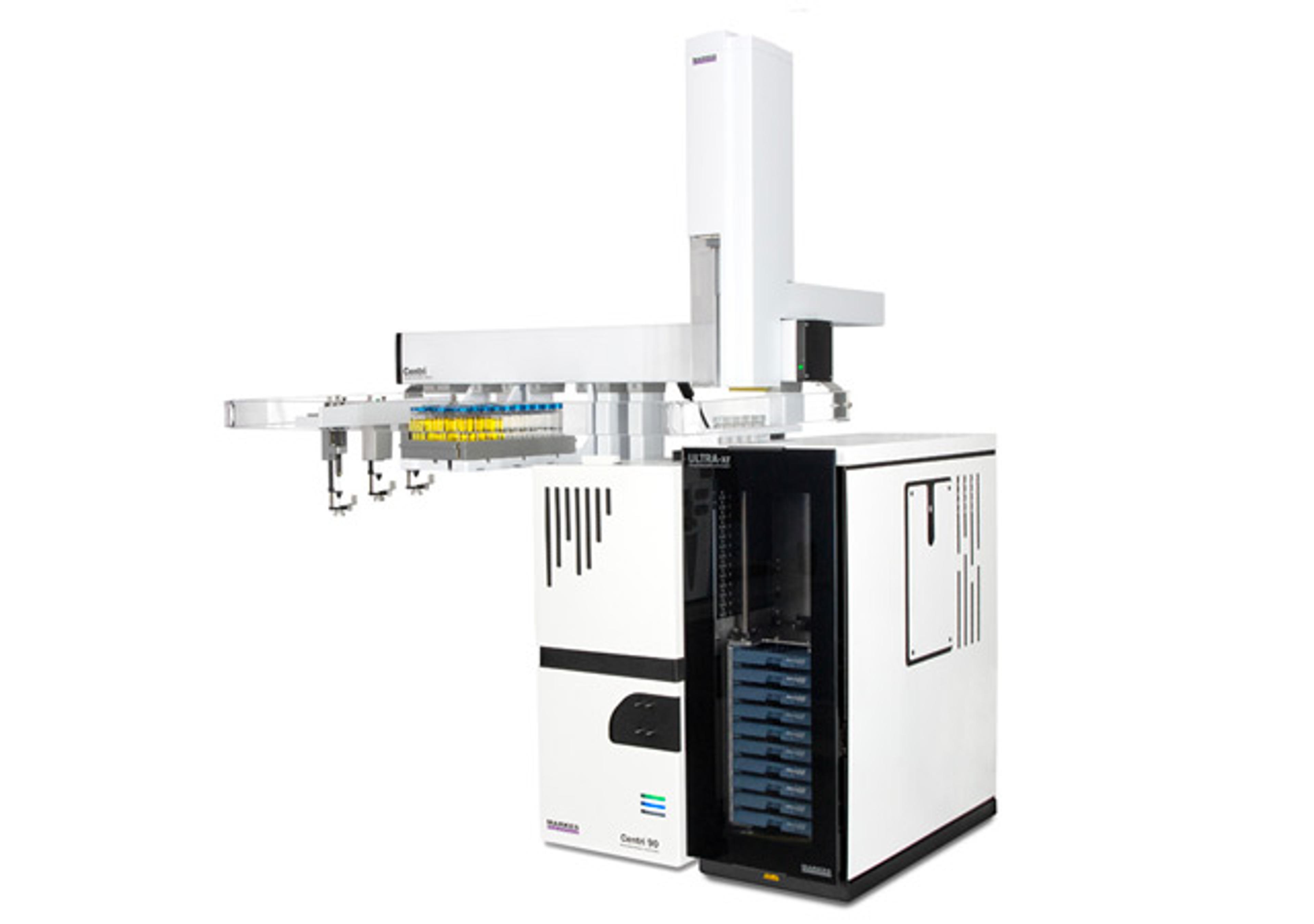
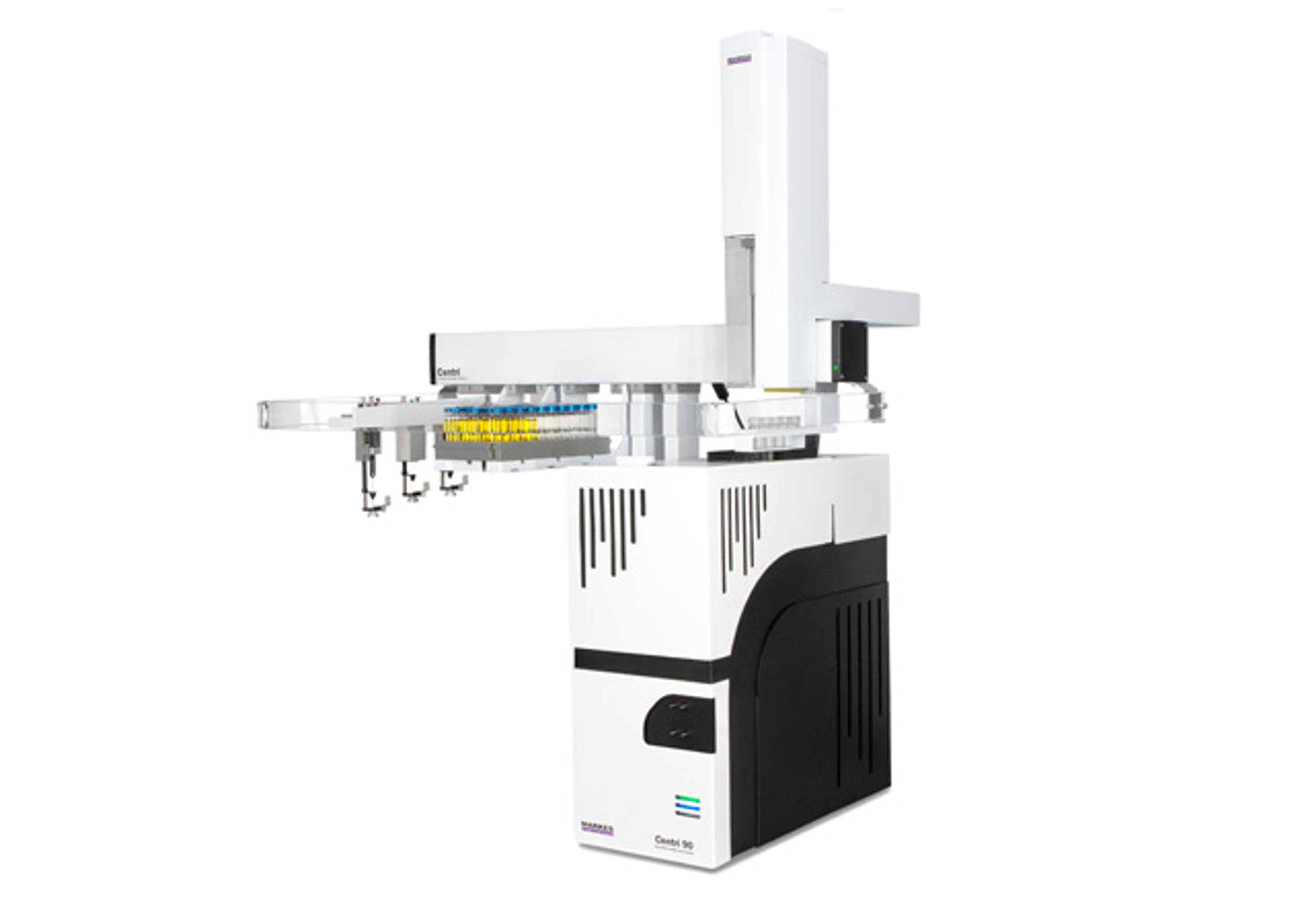
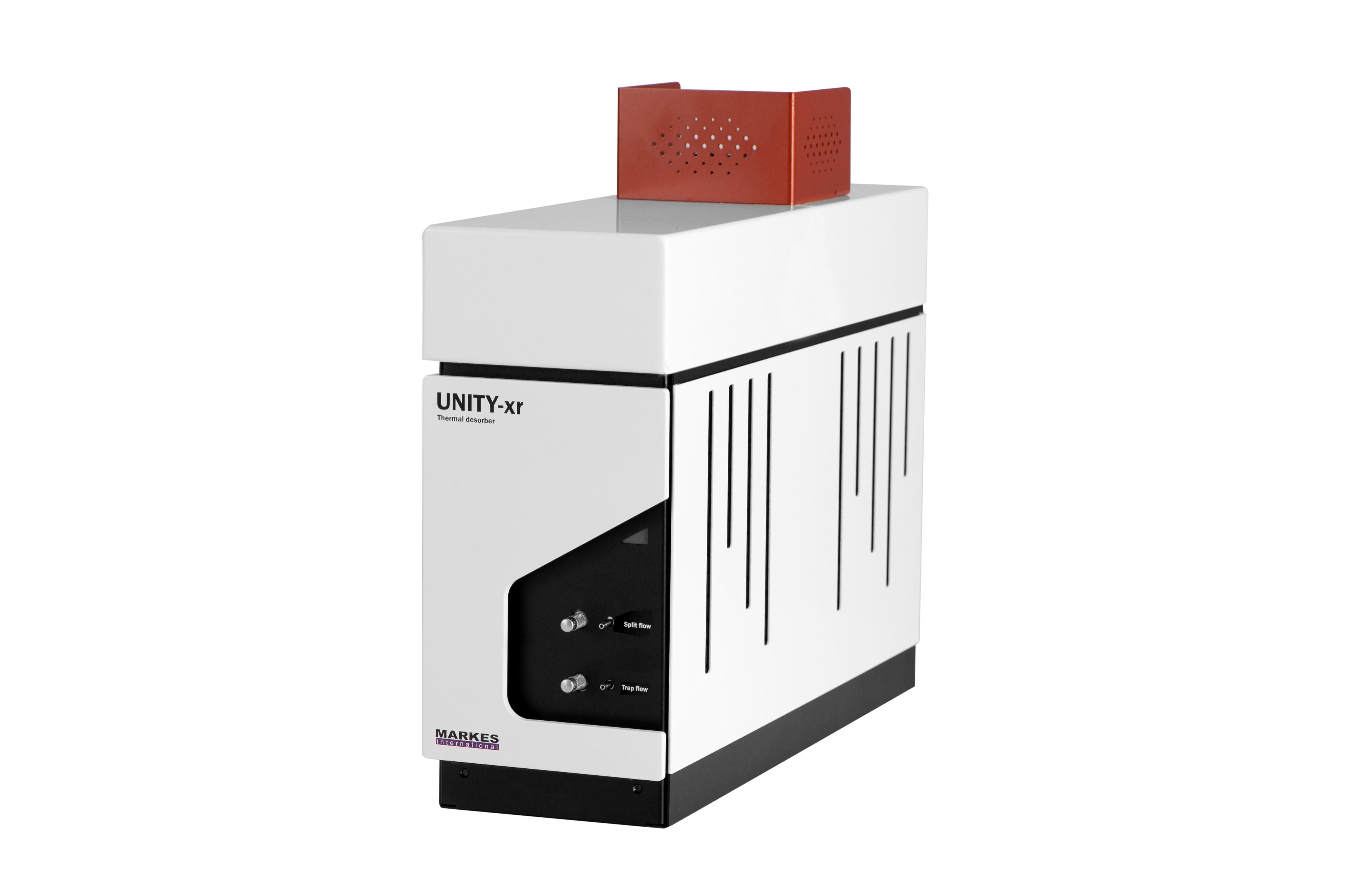
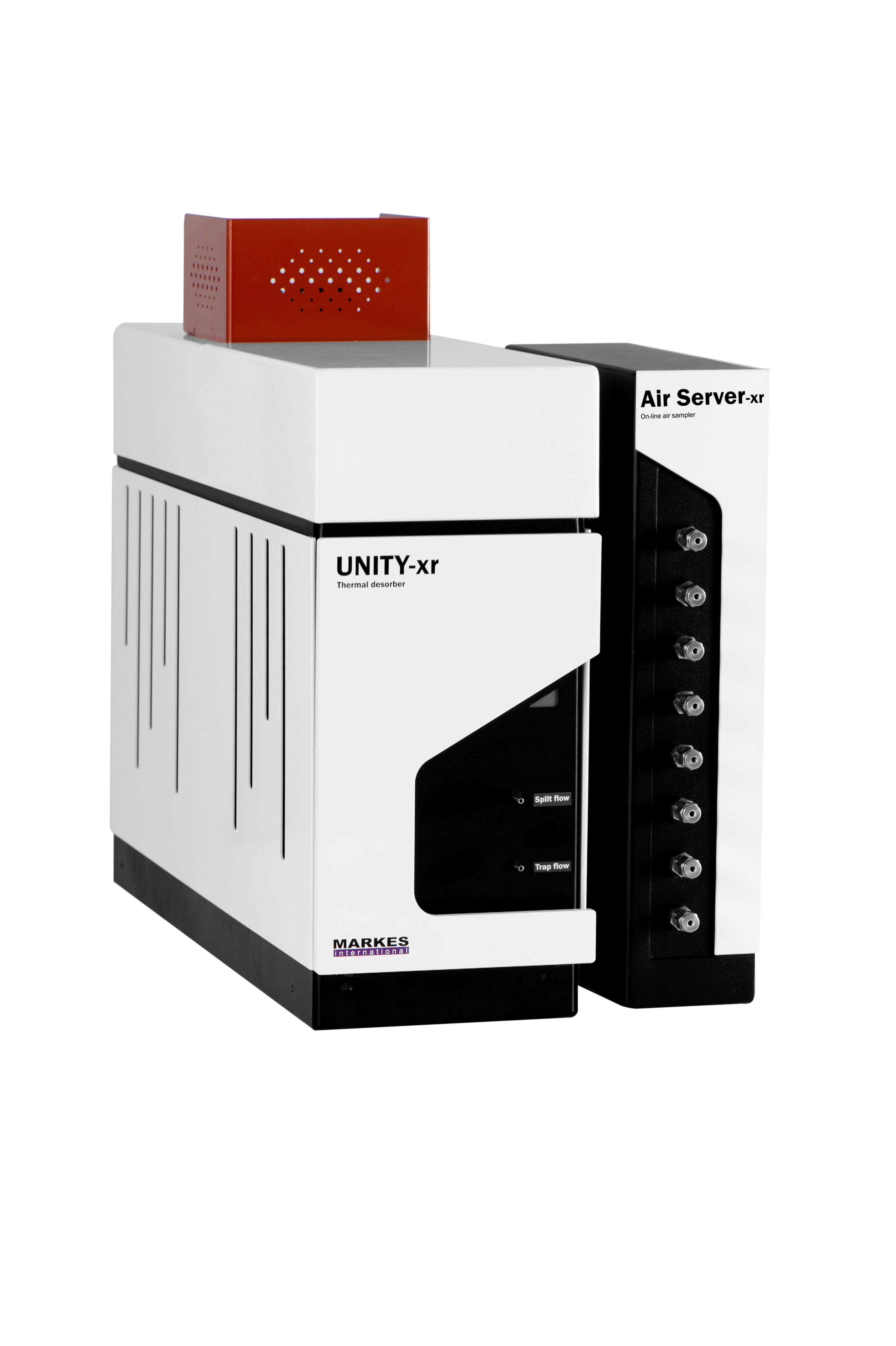
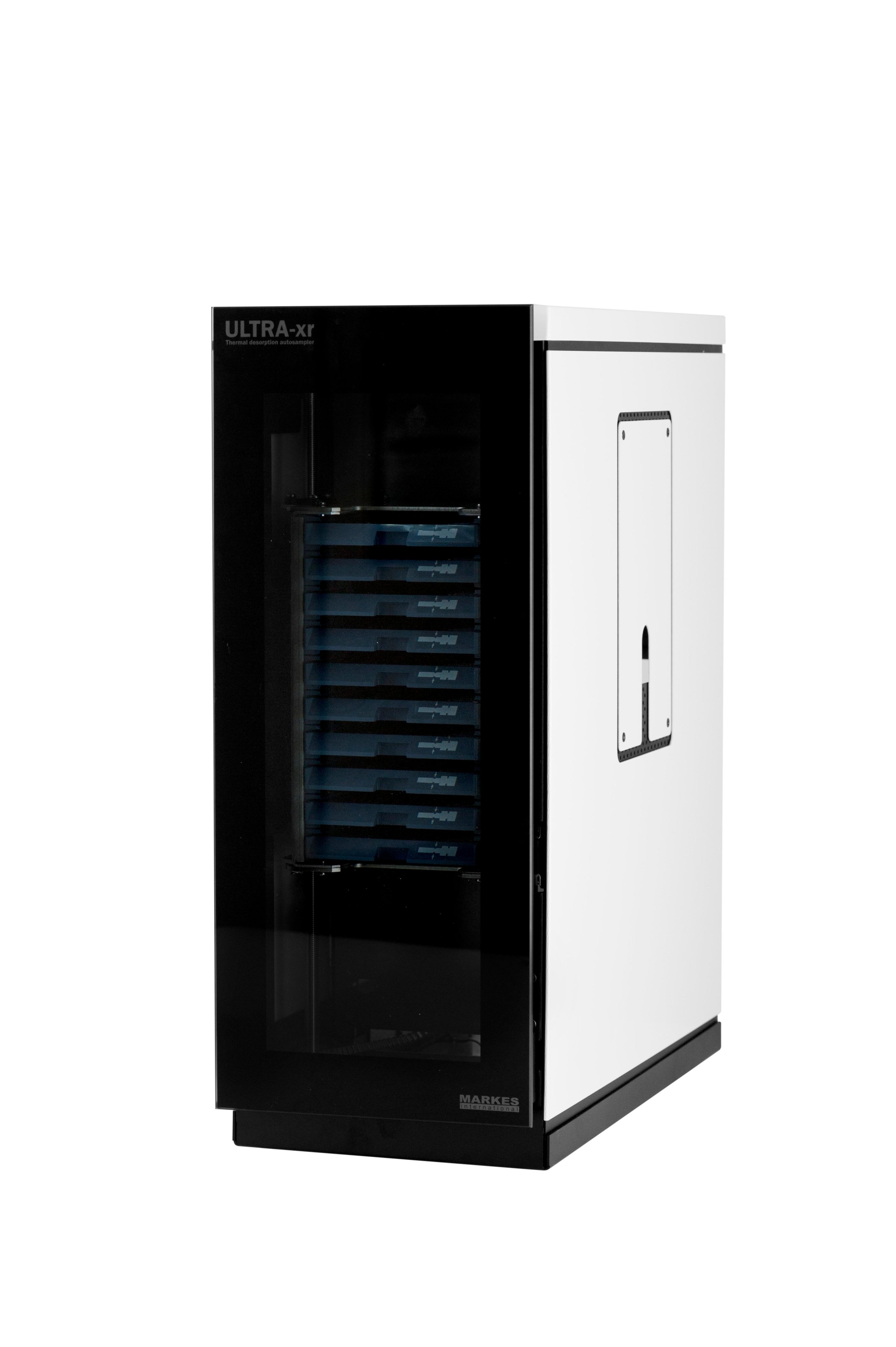
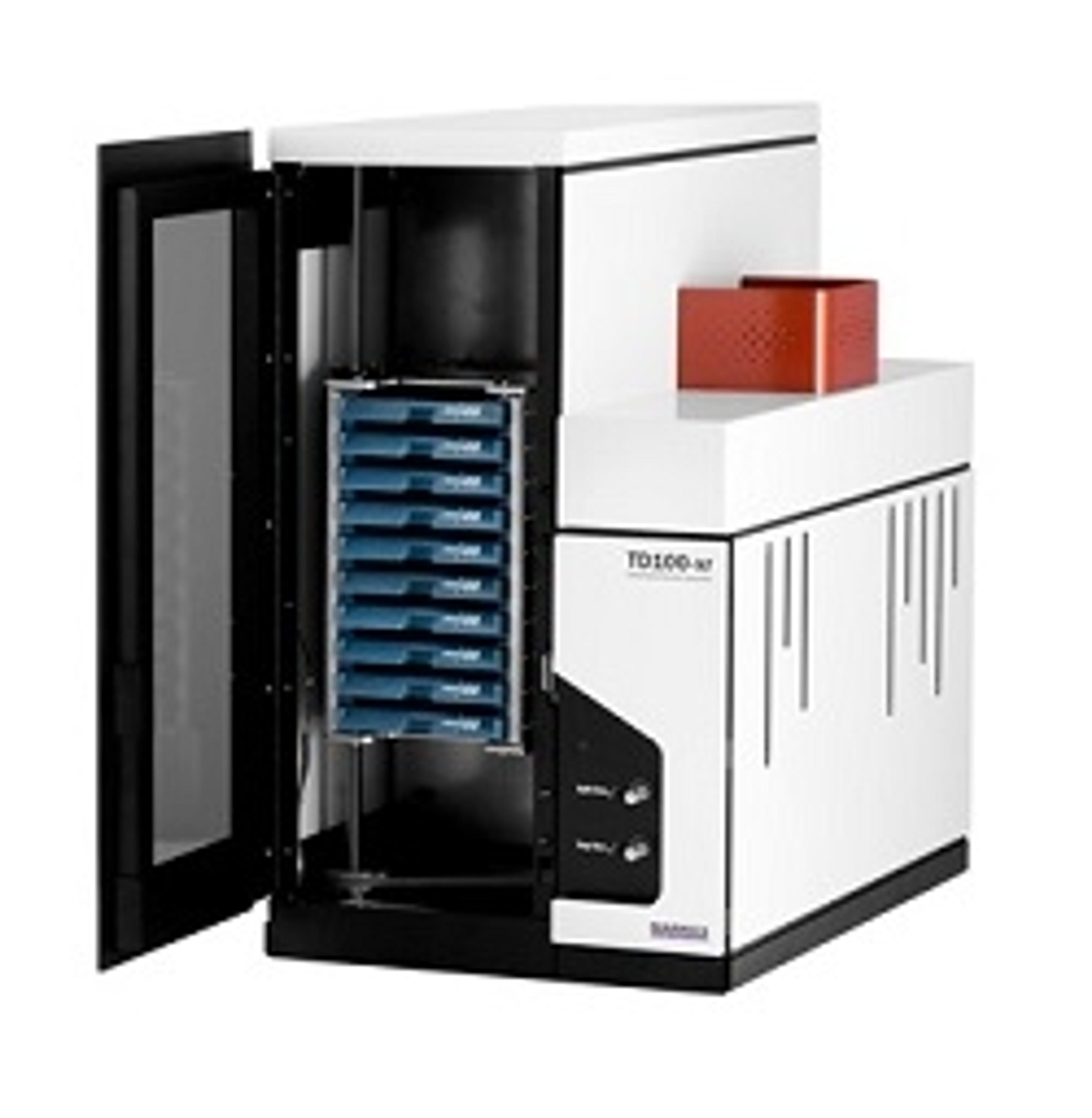
TD100-xr
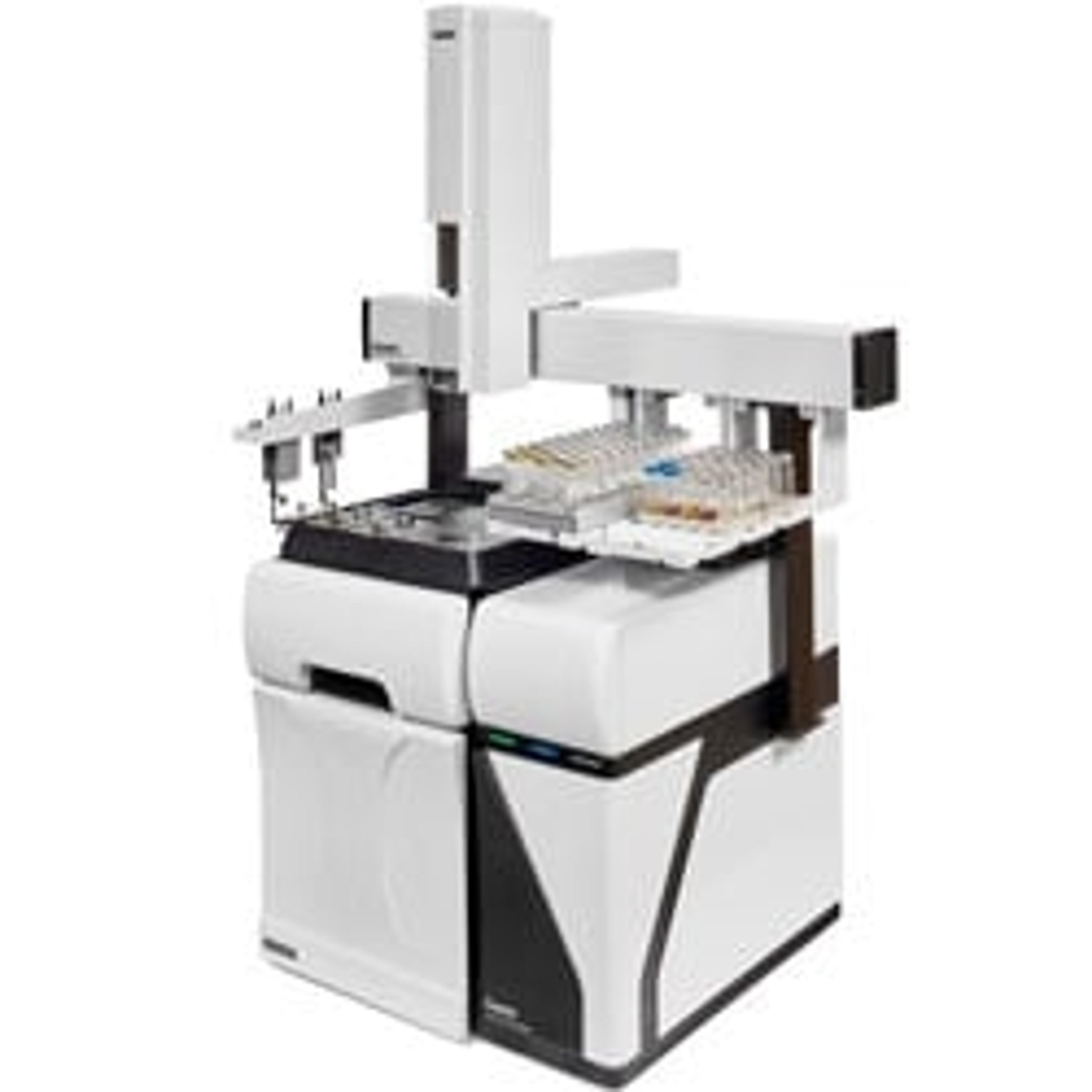
Fully-automated analytical thermal desorption instrument for GC or GC–MS




Receive your quote directly from the manufacturer.
a must have instrument
VOC measurement
very useful. Relatively easy to use.
Review Date: 5 Jun 2023 | Markes International Ltd
Result was acceptable for organic and polymers characterization
Polymer characterization
It was perfectly working and easy to operate without complication and software was quite easy to operate. I have not idea about cost and availability
Review Date: 12 Dec 2022 | Markes International Ltd
Very convenient for VOC and SVOC measurement.
Air quality monitoring
Very useful instrument for air monitoring, user friendly, nice service!
Review Date: 28 Sept 2022 | Markes International Ltd
Very good piece of kit.
Thermal desorption
Very good piece of kit.
Review Date: 20 Dec 2018 | Markes International Ltd
Great kit
Malodours in air
Markes XR is a great user friendly piece of kit. It is designed with user in mind. The cold trap is easy to change compared other manufacturers. The software is great and trouble shooting is easy. Everyone at Markes is very helpful and ensure my requirements are addressed promptly.
Review Date: 29 Jun 2018 | Markes International Ltd
TD100 and TD XR - Great Instrument
Malodour analysis
Markes TD is easy to use. The software is very user friendly and guides you should the equipment fail for any reason. After sales service both by phone and in person is superb. All the staff at Markes go an extra mile to ensure all my needs and expectations are met
Review Date: 29 Jun 2018 | Markes International Ltd
Brilliant to use- When it works
Monitoring glycol in gas samples
The TD100 is extremely easy to use, you really can’t go wrong with the software or it's exceptional value for money when you consider the range of applications that you can undertake with very little additional expenditure, a few cold traps/ sorbent tubes etc. The customer care team are very helpful and do seem to go that extra mile to help. The only major drawback is the fact there are no local service engineers (North East England) so it can take several days/weeks for one to arrange a visit from Wales. It is a fairly temperamental piece of kit and if you do choose to purchase then make sure you buy a leak detector with it.... You will need it.
Review Date: 24 Aug 2016 | Markes International Ltd
Great Instrument, Less time and more results.
Analyze outgassing values for finished products in a semiconductor business
The results are great, and it’s much easier to handle. Precise and reliable results given in a short time. Consumes less time for training and handling. The application engineers have been constantly following up to solve any problem or difficulties that arise. It is indeed a great investment for our lab testing.
Review Date: 16 Aug 2016 | Markes International Ltd
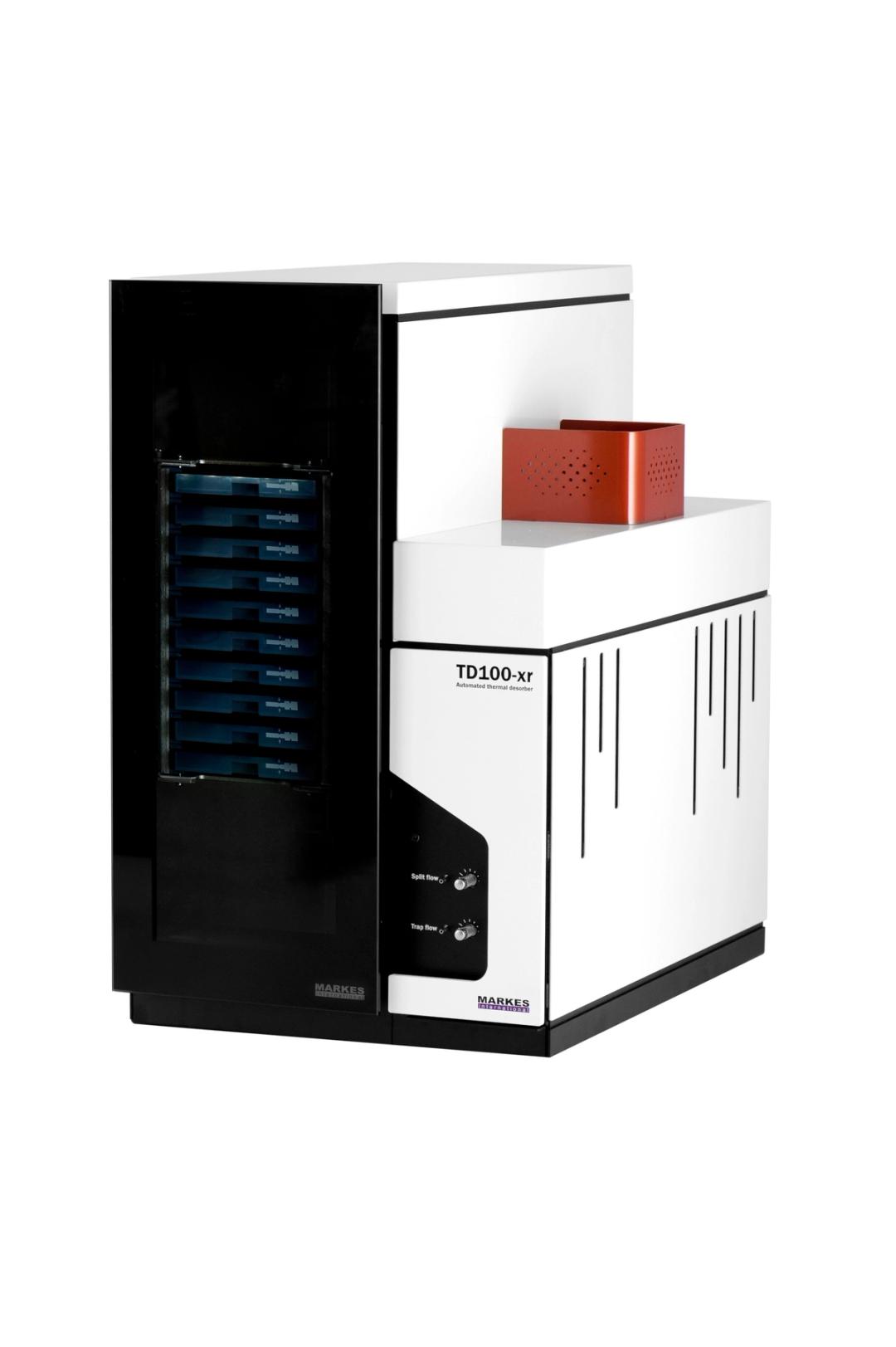
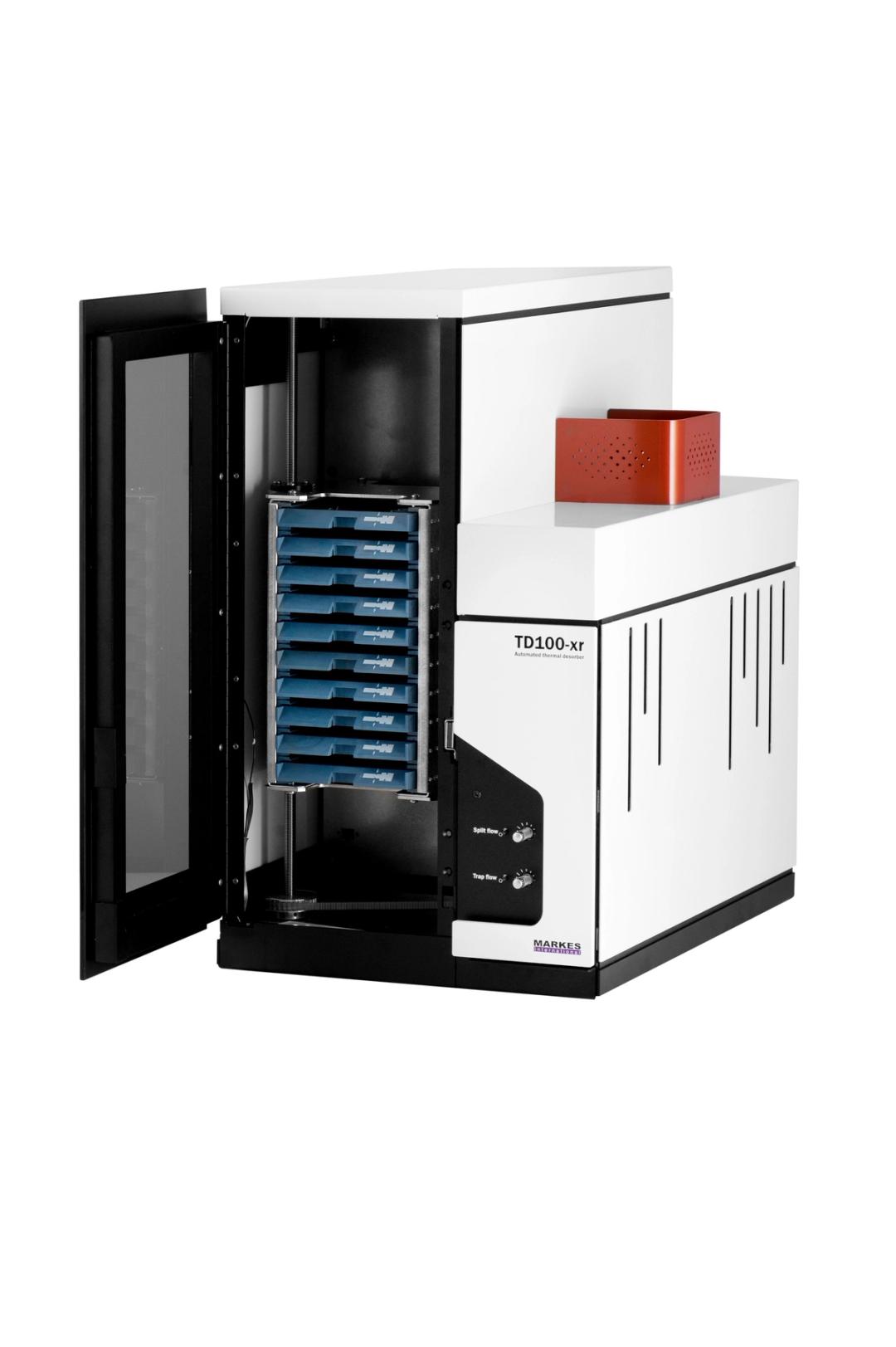
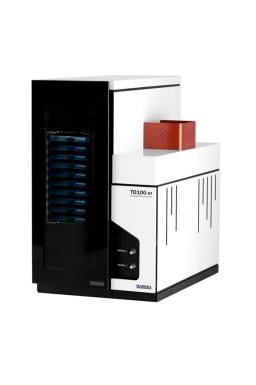
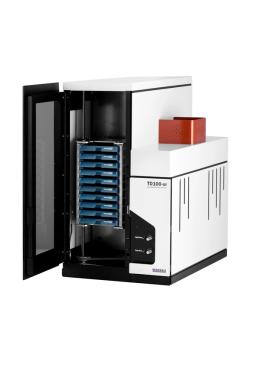
TD100-xr is the ultimate thermal desorber for the high-throughput analysis of VOCs and SVOCs in air and materials.
Features:
- Capacity for up to 100 sorbent tubes for unattended analysis of large numbers of samples
- Quantitative recovery of C2 to C44, including reactive and thermally labile species, from percent to sub-ppt concentrations
- Quantitative re-collection of split flows for superior method compliance and confidence in results
- Short, heated transfer line for installation on all major makes of GC and GC–MS
- Patented diffusion-locking technology ensures sample security. Electrical cooling eliminates the need for liquid cryogen
- High-precision parts for increased reliability
Brochures

Introducing the TD100-xr: automated thermal desorber for GC and GC–MS
This brochure introduces the TD100-xr automated thermal desorber for GC and GC–MS – a high-performance, high-throughput platform for the analysis of sub-ppt to percent levels of volatile and semi-volatile organic compounds in air and materials.
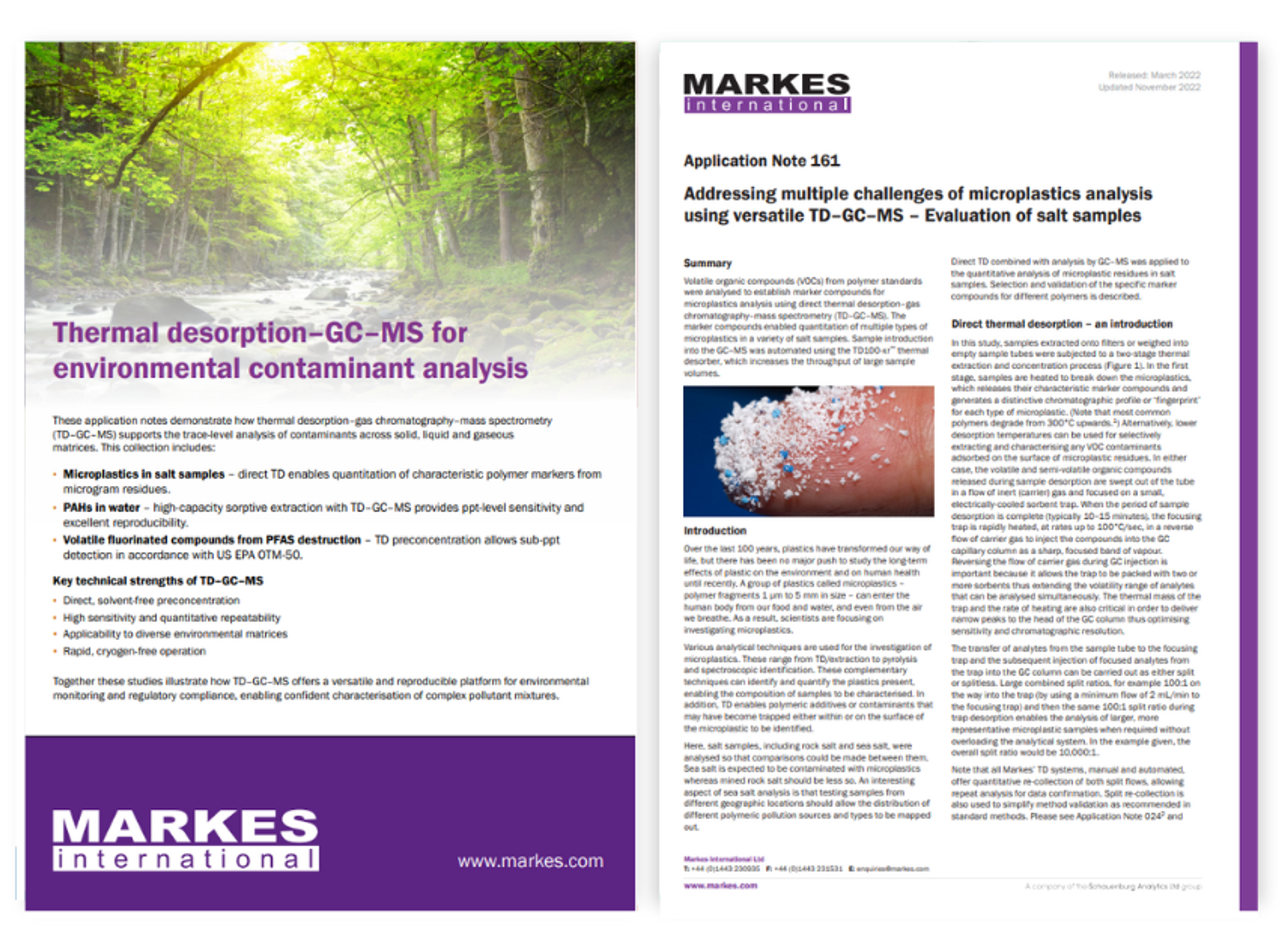
Thermal desorption–GC–MS for environmental contaminant analysis
Trace-level contaminant analysis across varied environmental matrices presents a significant challenge for researchers and regulators alike. Achieving sensitivity, reproducibility, and compliance requires robust analytical techniques.
Uncover how advanced thermal desorption–GC–MS methods enable precise, solvent-free detection of pollutants. From microplastics to PFAS, discover how it can support confident environmental monitoring and streamline workflows across solid, liquid, and gaseous samples.
Measurement of PFAS in indoor air and investigation of source materials
PFAS contamination is not limited to water and soil—these persistent chemicals are also present in indoor environments, including air, dust, and consumer products. Accurate detection is essential for understanding exposure risks and advancing research on indoor air quality.
In this application note, Markes investigates the performance of its TD100-xr™ high-throughput automated thermal desorption (TD) instrument. The instrument is coupled to a gas chromatograph (GC) and a triple quadrupole mass spectrometer (MS/MS) for PFAS analysis. This combination enables measurement of per- and polyfluoroalkyl substances (PFAS) in indoor air, detecting levels as low as 1 pg for Me-FOSA. When utilizing sampling chambers to test materials, it becomes possible to identify the PFAS released into indoor air and quantify the emission rate of such release.
Using hydrogen carrier gas to enhance TD–GC–MS methods for semi-volatile organic compounds (SVOCs)
Many semi-volatile organic compounds (SVOCs) are considered hazardous to human health. However, traditional reference methods for measuring SVOCs in ambient air are cumbersome and prone to high uncertainty. Markes carried out an investigation to see if there were any benefits or drawbacks of using hydrogen when measuring SVOCs. Explore the results, and find out more about the advantages of using Markes’ Multi-Gas thermal desorption (TD) with gas chromatography–mass spectrometry (GC–MS) and hydrogen carrier gas for the analysis of polycylic aromatic hydrocarbons (PAHs).
Thermal desorption applications guide: Food and drink
In this application guide, Markes International details the utilization of thermal desorption (TD) for essential applications in food and drink volatile organic compound (VOC) profiling. The guide encompasses a range of applications, such as comparing different cheese brands and enhancing the shelf-life of ready-to-eat fresh-cut fruit. Aroma profiling is emphasized as a crucial tool for manufacturers to identify volatile components, influencing product quality positively or negatively, and enabling quality maintenance and improvement.
Analysis of trace per- and polyfluorinated organic vapours in air using cryogen-free thermal desorption and gas chromatography–mass spectrometry
In this application note, Markes describes the sampling and analysis of a challenging range of trace-level volatile and semi-volatile vapors of per- and polyfluorinated alkyl substances (PFAS) in air, using GC–MS technology and the TD100-xr™ automated thermal desorption (TD) system.
Untargeted screening of volatile per- and polyfluoroalkyl substances (PFAS) released during the application of aqueous film-forming foam (AFFF)
In this application note, Markes demonstrates how thermal desorption with gas chromatography-mass spectrometry (TD–GC–MS) can be used to monitor the release of per- and polyfluoroalkyl substances (PFAS) during the application of aqueous filmforming foam (AFFF). The results of the study show that TD–GC–MS can be used to analyze target compounds and screen for non-target compounds, enabling researchers to gain a greater understanding of AFFF emissions.
What is thermal desorption?
In this application note, Markes International offers a guide to the basics of thermal desorption, including the basic principles, applications of the technique, different sampling options and answers how and the benefits of applying thermal desorption across a wide range of scenarios.
Disease diagnosis via breath and bio-monitoring: Optimizing the analytical performance of sorbent tube sampling and thermal desorption–GC–MS
Breath monitoring has the potential to provide diagnostic solutions for a wide range of diseases. However, its application remains challenging, and many aspects must be taken into consideration when developing and optimizing sampling and analytical parameters.
In this application note, Markes International describes how to optimize the analytical performance of thermal desorption (TD) for those carrying out routine or research monitoring of breath for disease diagnosis. Download the full note below to explore guidance on the major steps in the sampling and laboratory workflow, discover the main analytical challenges, and gain advice on which features and parameter ranges to select.
Thermal desorption applications guide: Food and drink
In this Applications Guide, Markes International describe how thermal desorption (TD) can be used for key applications in the field of food and drink VOC profiling – covering everything from comparing brands of cheese, to improving the shelf-life of ready-to-eat fresh-cut fruit.
Addressing the challenges of microplastic characterisation using thermal desorption
In this application note, Markes International demonstrate the quantitative analysis of microplastics using direct thermal desorption (TD) combined with gas chromatography–mass spectrometry (GC–MS). Direct desorption of filtrates containing microplastics provides a simple and streamlined sample preparation step while GC–MS analysis produces informationrich volatile organic compound (VOC) profiles. The VOC profiles contain marker compounds to identify and quantify the plastic, along with other chemical signatures that could prove useful in source apportionment, toxicity assessment and regional profiling.

Comprehensive vehicle emissions testing using thermal desorption (TD) and GC×GC–TOF MS
With the increased uptake of hybrid and electric vehicles, non-exhaust emissions are now of growing environmental concern. In this webinar, our guest speaker, Dr Nick Molden, (Emissions Analytics), will demonstrate the use of thermal desorption (TD) for versatile sampling of emissions from exhausts, vehicle interiors and tyres. When coupled with GC×GC–TOF MS this provides improved chemical fingerprinting of emissions to enhance our understanding of how vehicles may impact the environment and human health.
Key learning objectives
- See how GC×GC–TOF MS can gain insight into volatile emissions from car trim materials, such as plastic, textiles and rubber.
- Find out how characterising tyre composition can help us to understand the sources of microplastics being observed in air, water and soil samples.
- Learn how to future-proof your lab in case of expansion of the target lists of regulated compounds.
Who should attend?
- GC-MS analysts, lab supervisors and directors
Certificate of attendance
All webinar participants can request a certificate of attendance, including a learning outcomes summary, for continuing education purposes.
Equipping scientists across the globe in research and routine analysis
In this video, Gavin Davies, discusses how scientists can get the best from their GC analysis, enabling them to discover more and deliver more across a wide range of applications.
New Sampling Equipment for EPA Method 325
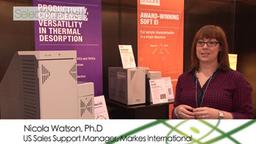
Watch this video to learn about EPA Method 325 and how to effectively monitor benzene levels in and around refineries in a two week cycle. The TD-100 system can be utilized prior to sample injection into a GC-MS. The sample tubes are tracked using a tagging system and store information such as start time, end time and original location of air sample. Interview filmed by SelectScience at Pittcon 2015.
Analysis of VOCs in Foodstuffs Using TD-GC-TOF MS
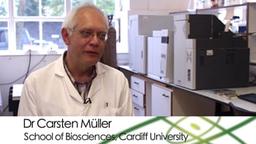
See how collaborating scientists from Cardiff University and the European QUAFETY project use newly developed techniques to profile volatile organic compounds (VOCs) in packaged food. The development of thermal desorption, GC-MS and time-of-flight instrumentation as a single unit has given access to remote sampling, as well as repeat measurements of biologically active compounds. Watch the video to find out more.
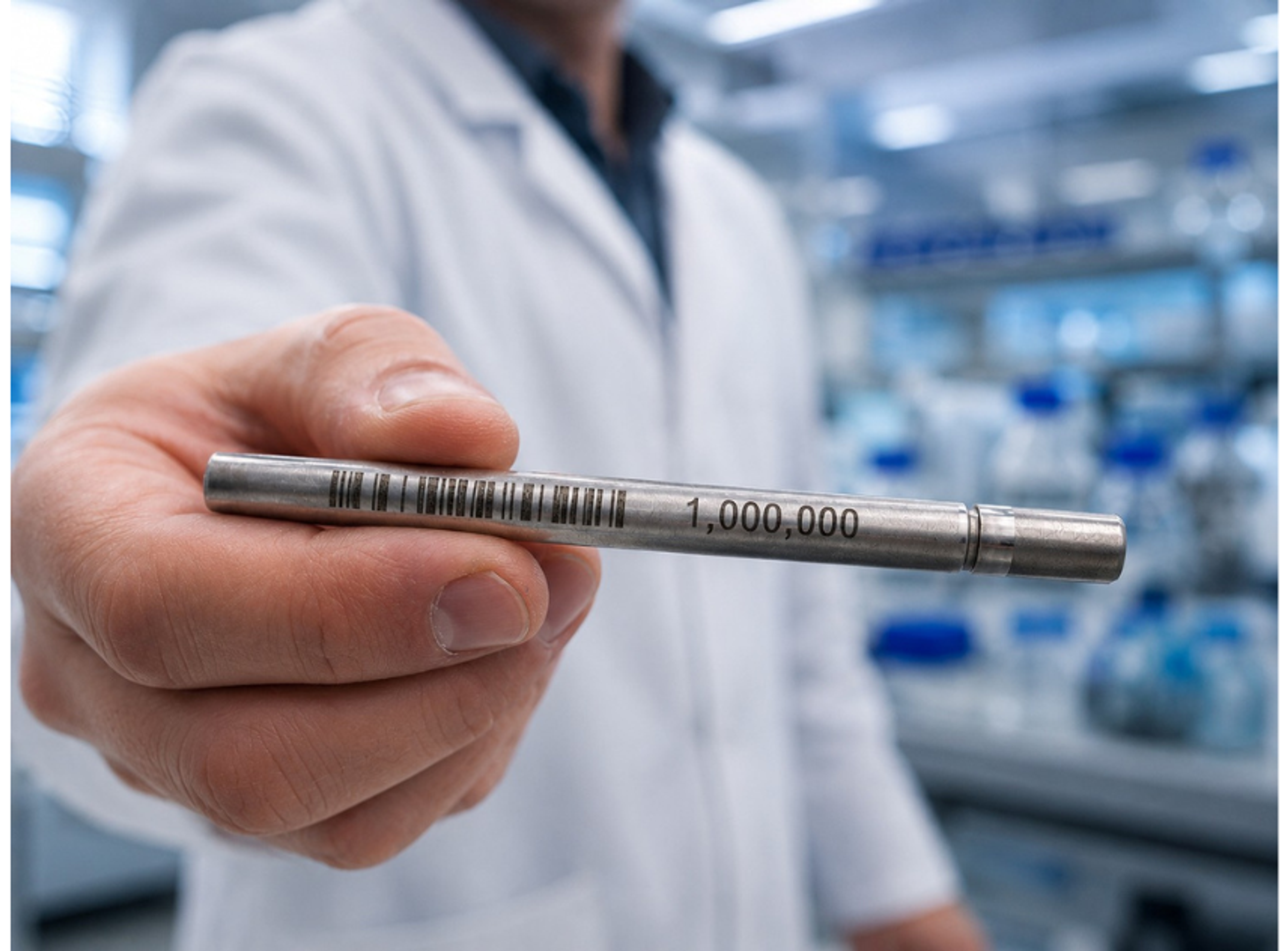
Markes manufactures one millionth thermal desorption tube
Manufacturing milestone reflects nearly three decades of supporting dependable analytical data through application-specific sampling technology
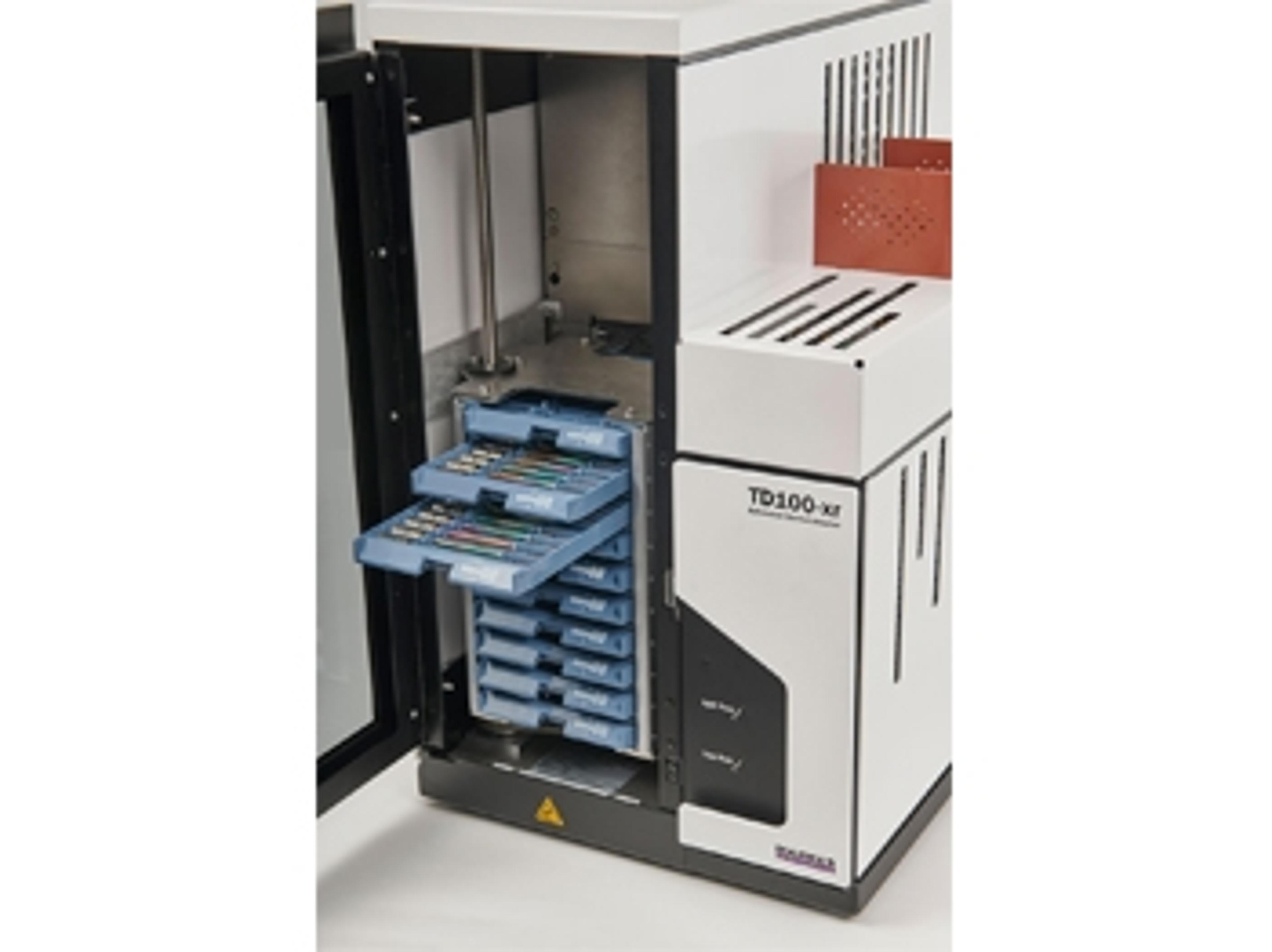
Markes International launch world’s first multi-gas enabled thermal desorption instruments
The thermal desorption (TD) instruments are safety-certified to run on three gases: helium, nitrogen and hydrogen.
Analytical Chemistry Highlights – Thermal Desorption, Solid Phase Extraction & Food and Flavor Analysis
Find out more about the hottest content you may have missed over the past month



Markes International Expands UK Operations

Markes International Launches Analytical Chemistry Awareness Campaign
Markes International Launches Analytical Chemistry Awareness Campaign