Sorbent sampling tubes
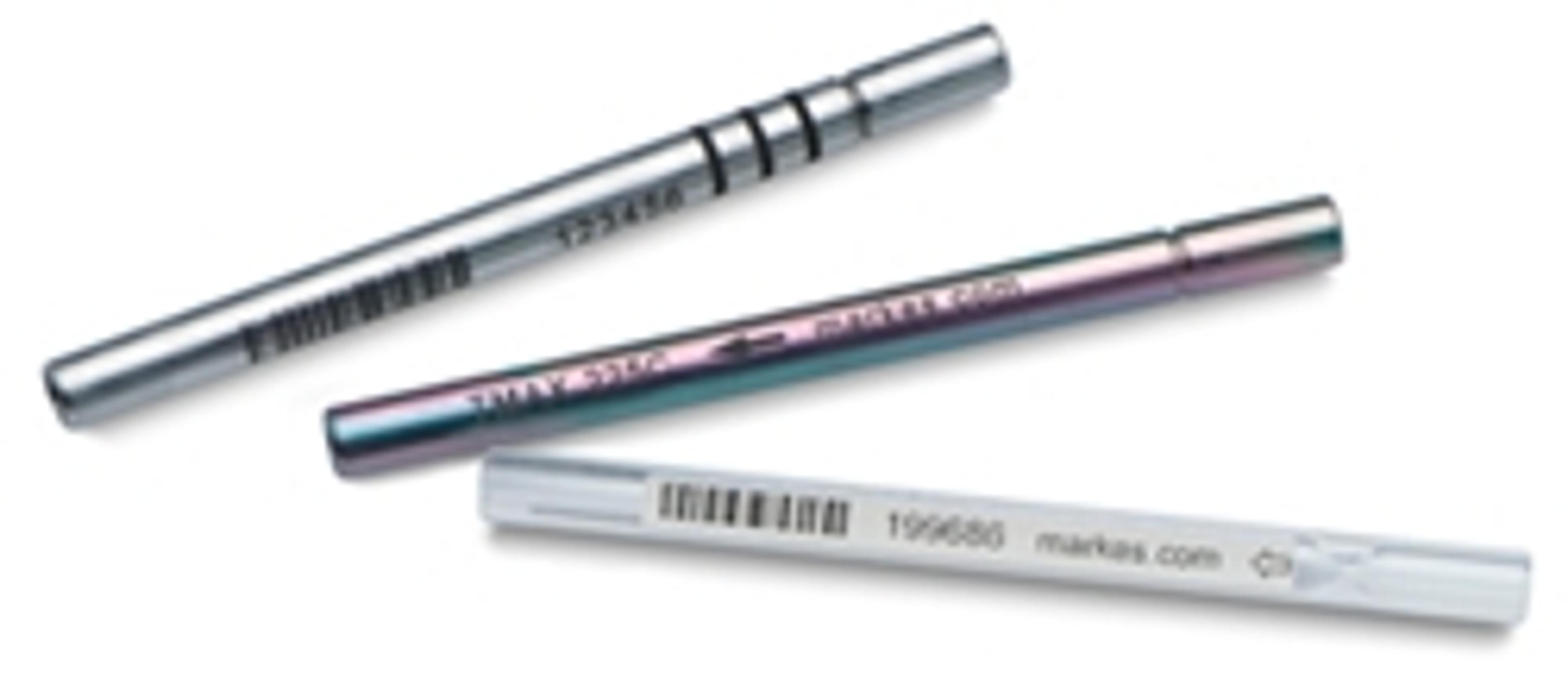
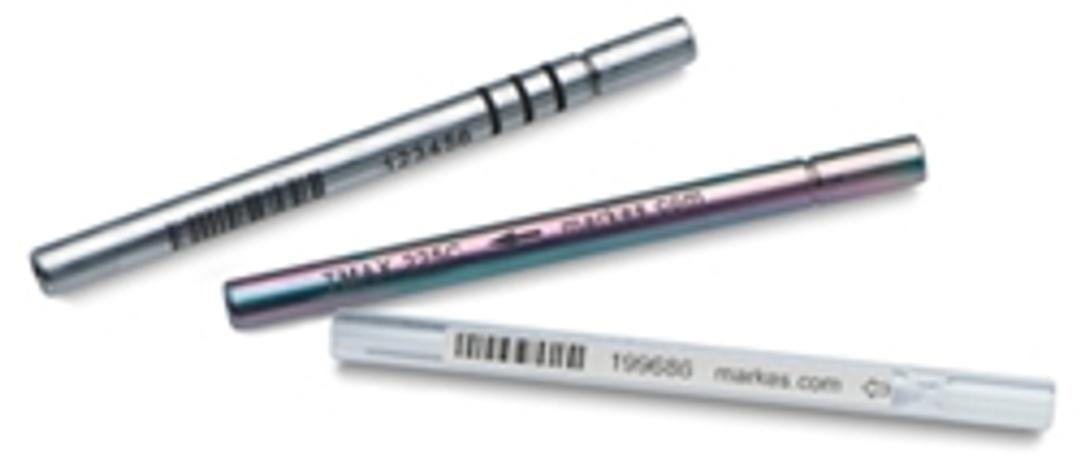
Thermal desorption sorbent sampling tubes for air sampling. Backed up by fast and friendly service, Markes’ tubes provide optimum sampling and analytical performance. Our range includes everything from cost-effective packages of industry-standard tubes to the last word in sorbent tube innovation. Features: Our industry-standard (3½-inch (89 mm) long x ¼-inch (6.4 mm) o.d.) sorbent tubes are available in stainless stee…

Receive your quote directly from the manufacturer.
Thermal desorption sorbent sampling tubes for air sampling.
Backed up by fast and friendly service, Markes’ tubes provide optimum sampling and analytical performance. Our range includes everything from cost-effective packages of industry-standard tubes to the last word in sorbent tube innovation.
Features:
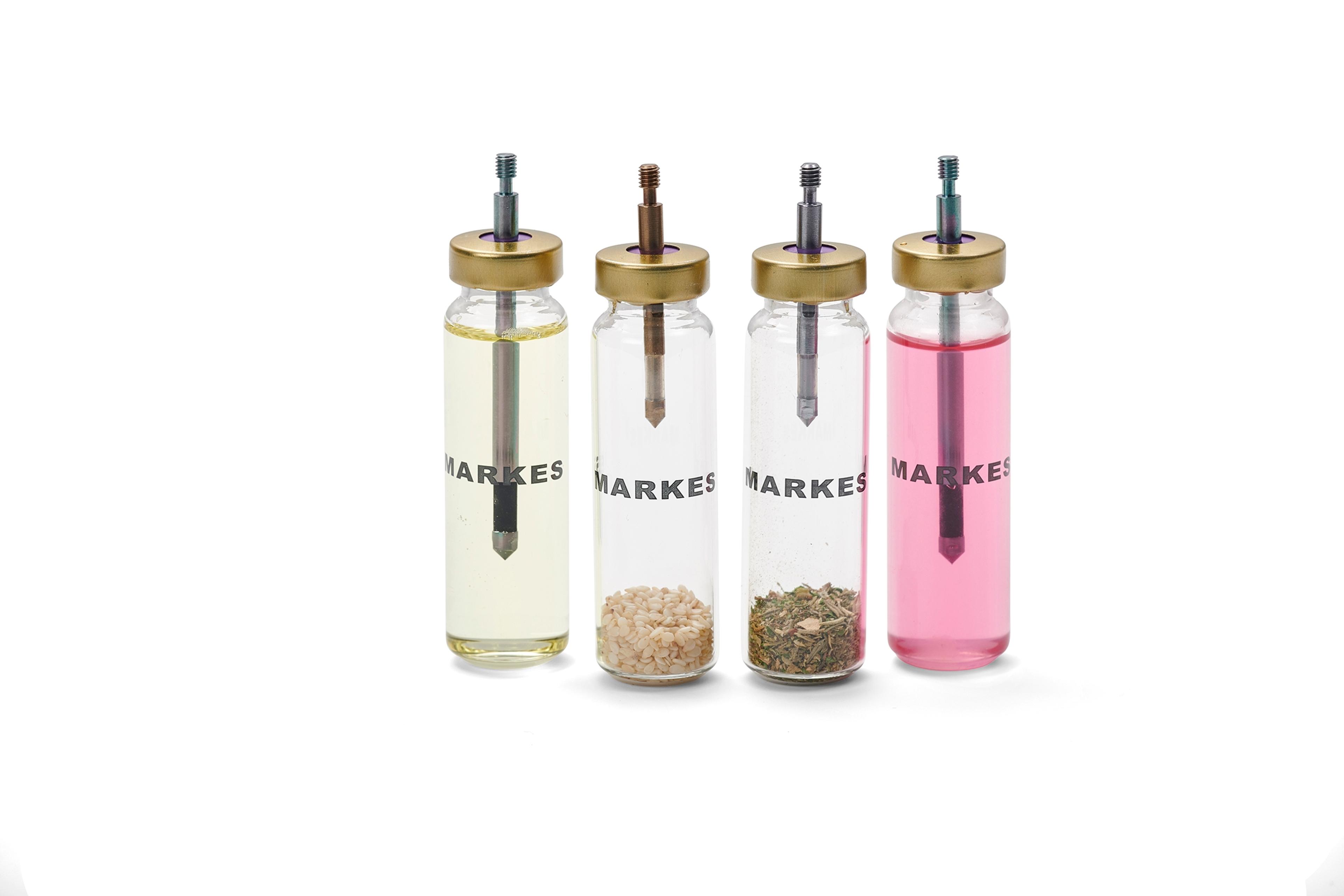
- Our industry-standard (3½-inch (89 mm) long x ¼-inch (6.4 mm) o.d.) sorbent tubes are available in stainless steel, inert-coated stainless steel and glass.
- Compatible with thermal desorption instruments manufactured by Markes International, PerkinElmer and Shimadzu.
- All tubes are permanently labelled with a unique serial number, barcode and sampling flow arrow, so that they are easy to use and track.
- Further labelling options for tube tracking – includes laser-etching, banding and RFID-tagging (TubeTAG™).
- Diffusion-locking SafeLok™ options for additional peace of mind.
- Stringent quality control – our tubes are packed to a tolerance of ±2.5% or better.
- Application-specific sorbent tubes – optimally packed for applications ranging from air toxics to material emssions testing.
- Our sorbent tubes can also be ordered conditioned and capped, so that they’re ready for use on arrival.
- All our sorbent tubes can be supplied: empty for you to pack yourself (or for direct desorption); pre-packed with one sorbent bed for diffusive (passive) monitoring applications; or pre-packed with up to three sorbent beds for pumped (active) monitoring applications.
- We also supply 4½-inch DAAMS tubes (regular and high-flow, in any of the above materials) – contact us for details.
Brochures

Thermal Desorption Tubes from Markes International
The following brochure features a range of sorbent tubes for VOC and SVOC analyses from Markes International. It details the benefits the company's sorbent tubes could have on your analytical data, and specifies the best tube for your application.
Thermal desorption applications guide: Food and drink
In this Applications Guide, Markes International describe how thermal desorption (TD) can be used for key applications in the field of food and drink VOC profiling – covering everything from comparing brands of cheese, to improving the shelf-life of ready-to-eat fresh-cut fruit.
Protecting Your Sample for Thermal Desorption
Protect the integrity of your sample by correct choice of cap, capping procedure, storage, transport and tracking.
The use of Thermal Desorption with Optimized Sampling Tubes for Quantifying Polycyclic Aromatic Hydrocarbons (PAHs) in Air
This application note describes the use of thermal desorption (TD) with gas chromatography (GC) for the quantitation of polycyclic aromatic hydrocarbons (PAHs). Here it is shown how a range of PAHs from naphthalene to benzo[ghi]perylene can be readily captured on to specially-optimized sorbent tubes, and released from them quantitatively. Using this technique, low detection limits are obtained for airborne PAHs with minimal breakthrough and excellent linearity, even when the total sampling volume exceeds 400 L.
VOC & SVOC Emissions from Materials with Relevance to Vehicle Interior Air Quality: Regulation, Standard Methods and Analytical Implementation
Emissions of volatile and semi-volatile organic compounds from car interiors can have an adverse effect on vehicle interior air quality (VIAQ), raising concerns for passenger health and safety. This application note describes methods for assessing VIAQ using thermal desorption–gas chromatography–mass spectrometry (TD–GC–MS) for analysis and quantitation of volatile organic and semi-volatile compounds (VOCs and SVOCs).
Advice on Sorbent Selection, Tube Conditioning, Tube Storage and Air Sampling
This Application Note gives advice on which sorbents to use for pumped or diffusive (passive) tube monitoring of various vapour-phase organics, and suggests optimum criteria for conditioning and storing packed tubes.
Prediction of Uptake Rates for Diffusive Tubes
This Application Note describes the theory and practice of predicting the uptake rate for a particular analyte–sorbent combination when using diffusive (passive) samplers. This can help analysts to overcome the limitation of having to experimentally determine uptake rates for every analyte–sorbent combination of interest.
Uptake Rates for Tube-Type Axial Diffusive Samplers
This Application Note provides a listing of uptake rates for tube-type axial diffusive samplers, for a range of commonly used sorbents. Values are provided for hydrocarbons, halogenated compounds, esters, glycol ethers, ketones, aldehydes and alcohols, while separate lists are given for a few key compounds for exposure periods typical of workplace (8-hour) and environmental (24-hour to 4-week) monitoring scenarios.
Extending the Compatible Analyte Volatility Range for Indoor Air Quality and Material Emissions Testing Using Multi-Bed Sorbent Tubes from Markes
This application note summarizes two important and independent studies aimed at extending the compatible analyte range of tests used to determine chemicals released from materials, and associated indoor air quality measurements. The papers compare the performance of single-bed Tenax® TA tubes to those packed with multiple sorbents, and demonstrate how the latter guarantee improved recovery of very volatile compounds without compromising the recovery or stability of heavier target analytes.
Diffusive Monitoring – A Cost-Effective and Quantitative Approach to Environmental Monitoring
In this poster, thermally desorbed diffusive tubes have been shown to be viable ambient air samplers. Their sampling mechanism is well understood/validated, and TD-GC(MS) analytical methods developed for pumped sorbent tubes can be applied. They offer several advantages over pumped sorbent tubes in terms of simplicity, reduced variability, cost, extended sampling times and minimal water interference
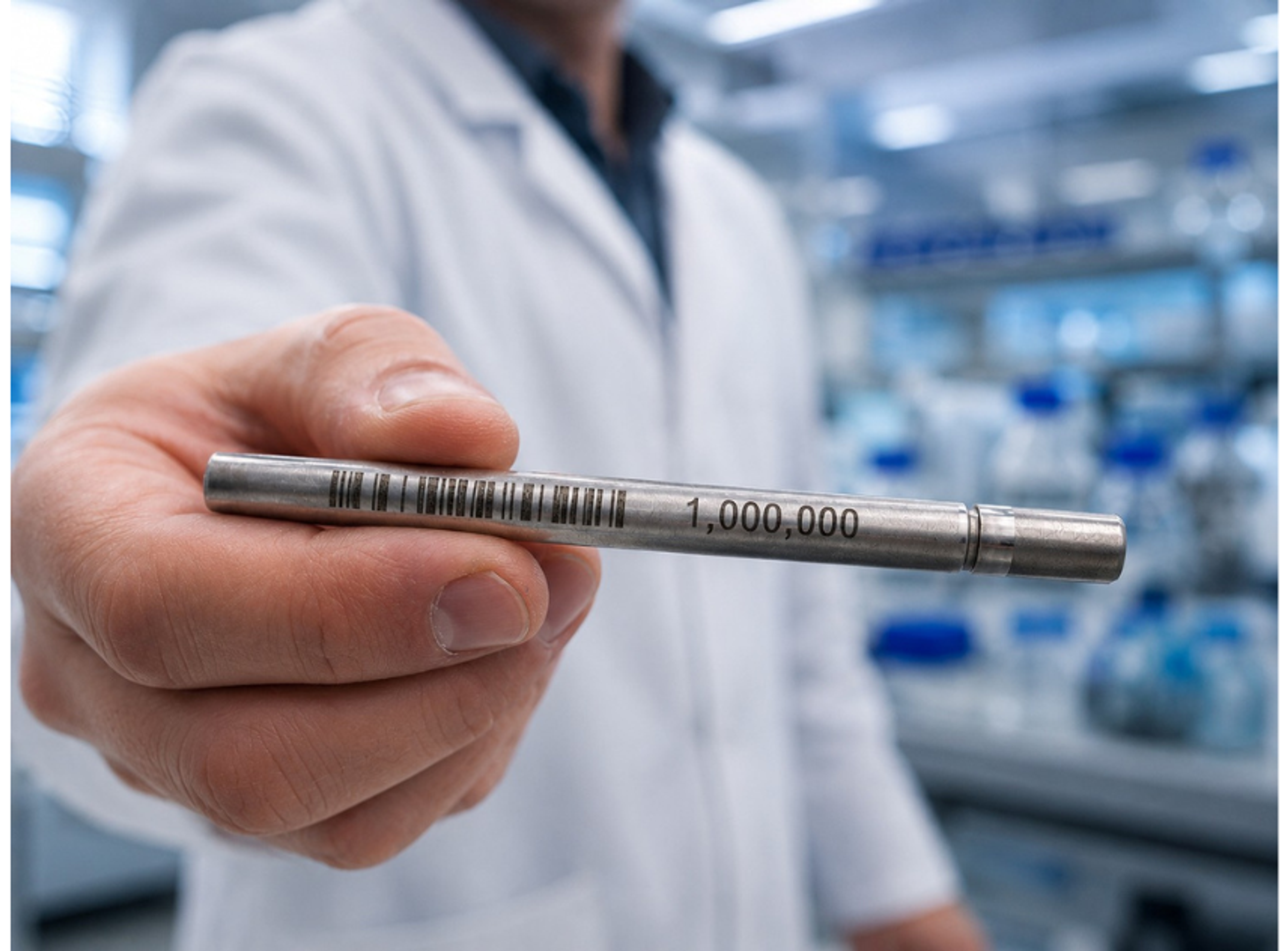
Markes manufactures one millionth thermal desorption tube
Manufacturing milestone reflects nearly three decades of supporting dependable analytical data through application-specific sampling technology