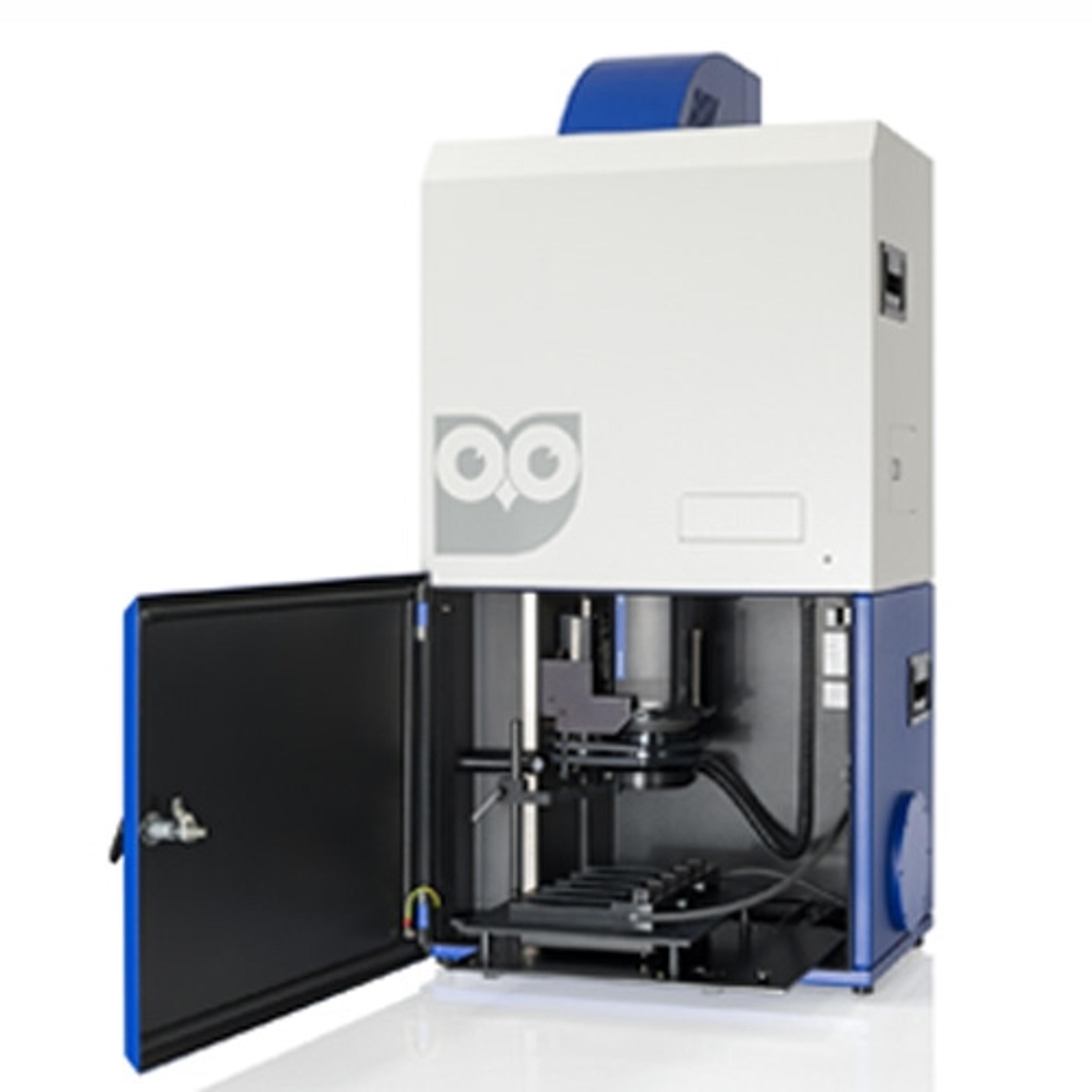
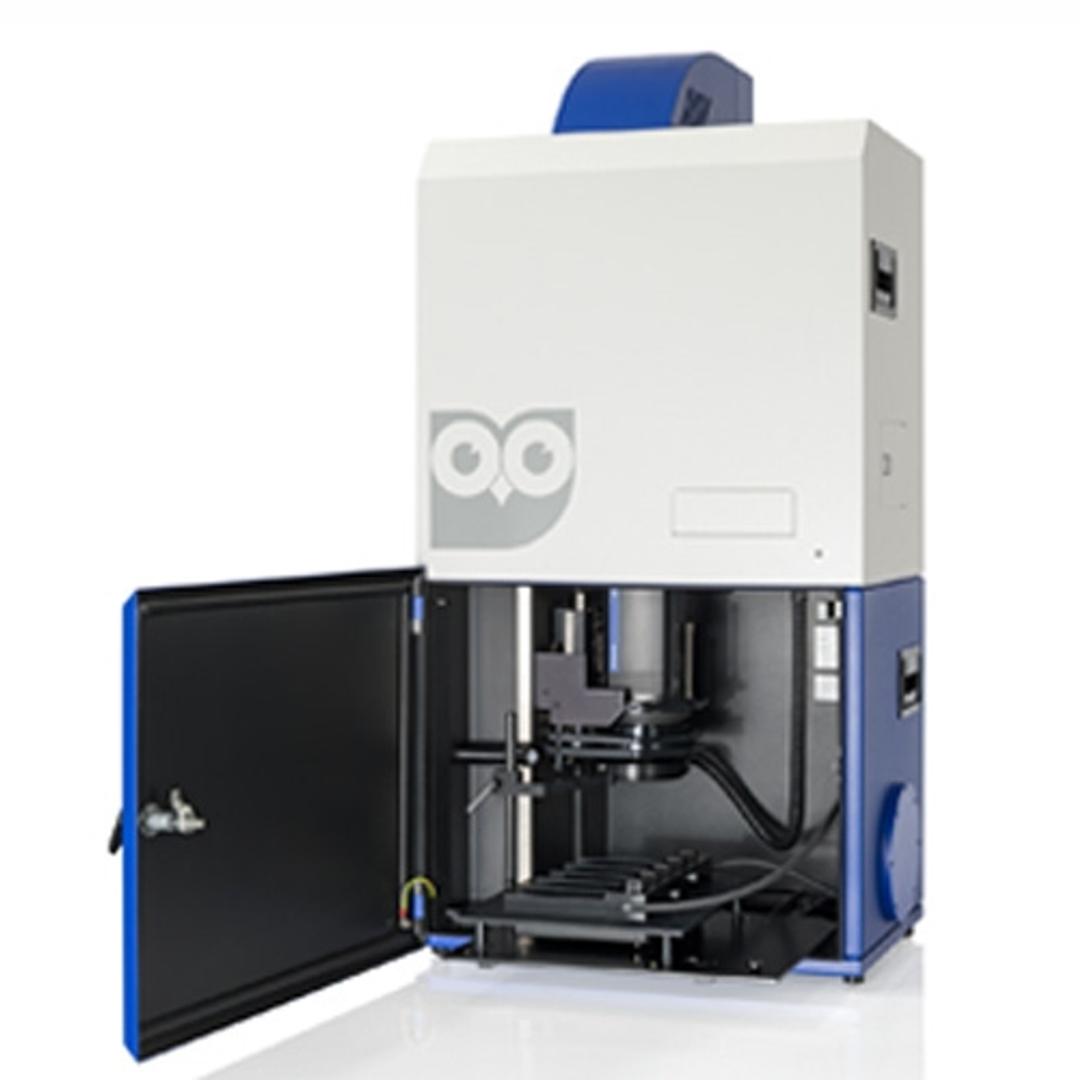
NightOWL II LB 983 In Vivo Imaging System
MOLECULAR OPTICAL IMAGING THAT FITS YOUR RESEARCH

Receive your quote directly from the manufacturer.
Great results.
Analyze bioluminescence
This is a great product. It allows you to work in good conditions, analyzing cells in vivo with efficient results. It's amazing!
Review Date: 26 Mar 2021 | BERTHOLD TECHNOLOGIES GmbH & Co. KG
CRO for drug testing in cancer mouse models
The Bertold System is a wonderful alternative for bioluminescence imaging using luciferase transduced cell lines in vivo. We used it with mice and it works great. I would recommend this system, however the software needs some time to get adjusted.
Review Date: 22 May 2013 | BERTHOLD TECHNOLOGIES GmbH & Co. KG
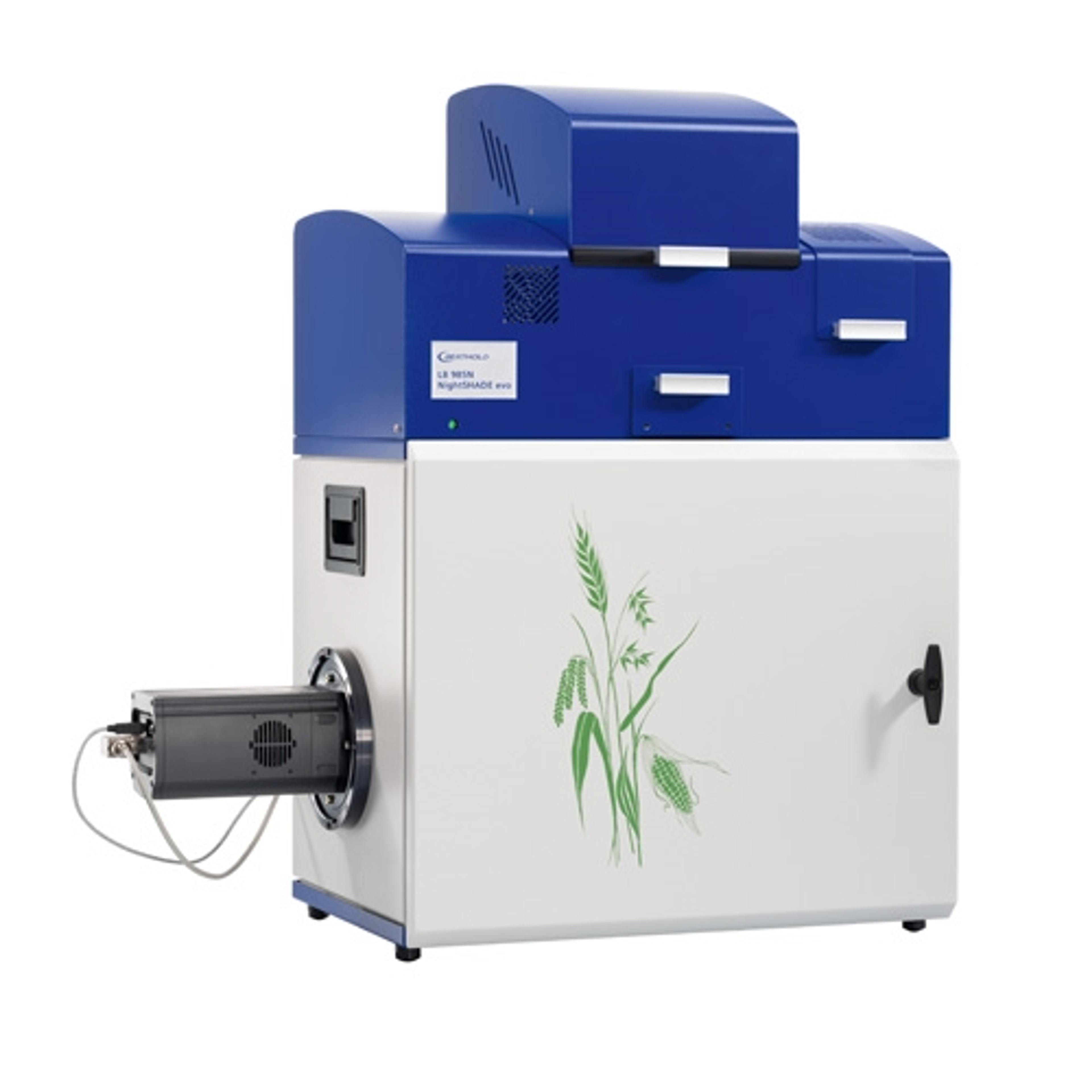
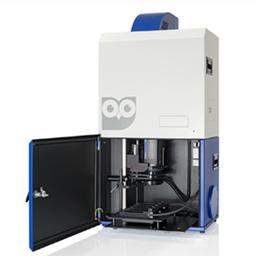
The NightOWL II LB 983 In Vivo Imaging System provides a modular, easy to use optical imaging system, delivering high sensitivity and resolution. With various light-sources and light-tight ports to insert cables, fibre optics or manipulators, it provides the flexibility you need for any in vivo imaging application.
Highlights:
- Low background, high resolution: The NightOWL II uses an ultrasensitive back-illuminated (backlit) CCD camera with high quantum efficiency over the entire visible to near-infrared spectrum. Efficient cooling of the array (absolute -80 to -90°C depending on the room temperature) ensures very low noise, so that long exposure times can be used to integrate the signal over time and detect even weak light signals
- Light-tight cabinet with motor driven camera
- A modular system tailored to your workflow: The conditions required to image living organisms can be very different depending on the application. To cover a broad range of applications, Berthold Technologies provides a very flexible system and a wide variety of accessories, including:
- Various light-sources for different applications
- Light-tight ports to insert cables, fibre optics or manipulators
- Heating tables to maintain optimum body temperature
- Transilluminators
- Gas anesthesia unit
- Animal isolation chambers for 1 or 5 rodents

Measurement of Minimum Detectable Radiance with a New Calibrated Light Source
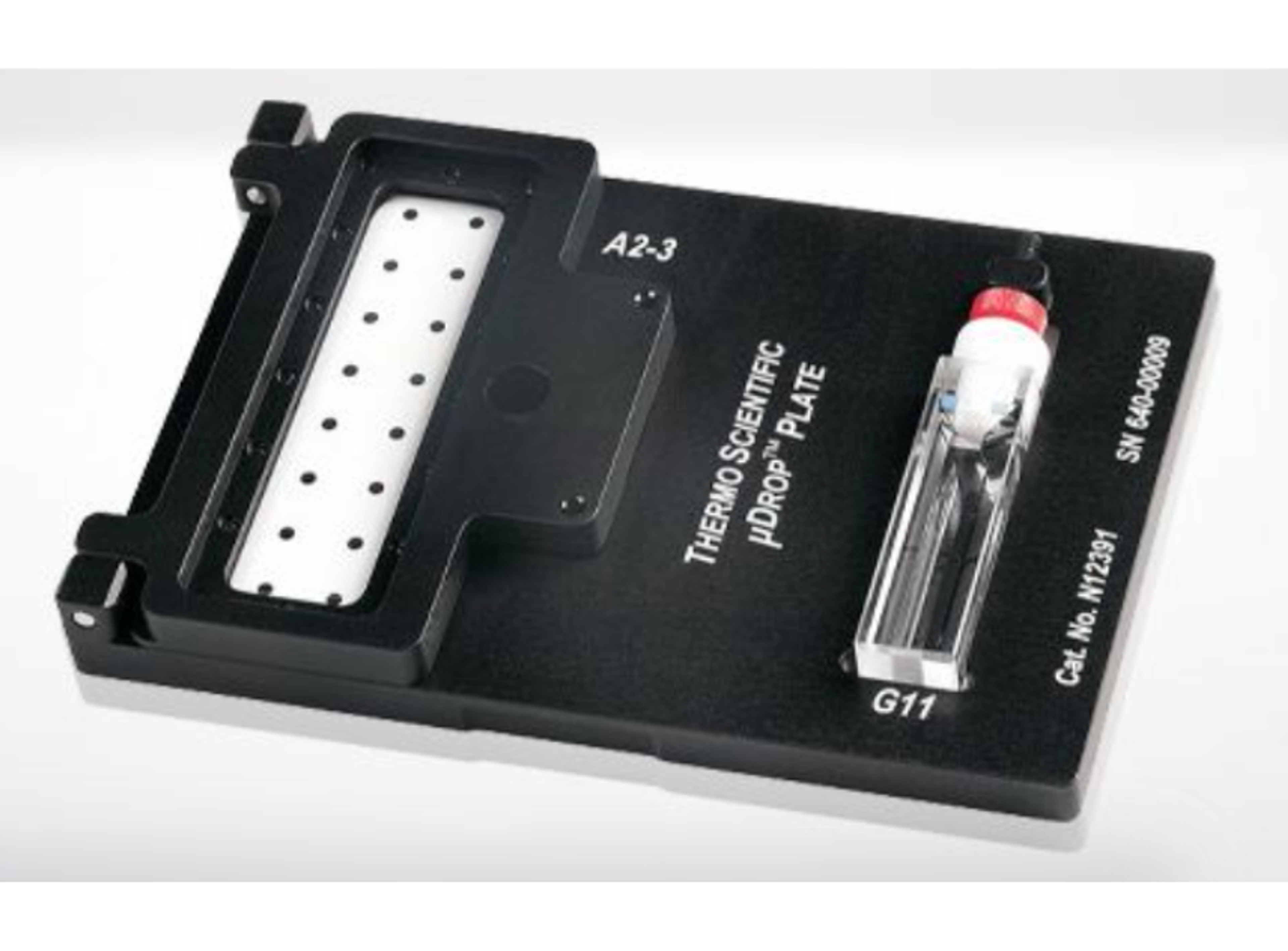
In this application note, Berthold Technologies describe how their new calibration plate allows for determination of the minimum detectable radiance of imaging systems. Using this plate it is shown that conventional slow-scan CCD cameras have the lowest detection limit due to lowest noise and therefore leading to the highest signal/noise ratio (S/N).
Fluorescence In Vivo Imaging of Labelled Nanoparticles in Tumour-Bearing Mice with NightOWL LB 983
This application note by BERTHOLD TECHNOLOGIES develops a stable and non-toxic synthetic formulation for delivery of foreign genetic material to target cells. The biodistribution of these coated and uncoated DNA LNPs in tumour bearing mice was evaluated using in vivo bioluminescence (BLI) and biofluorescence (BFI) imaging.
Luciferin Bioavailability in Mice during In-Vivo Imaging
This application note demonstrates non-invasive visualization of gene expression in intact animals. Bioluminescent models based on luciferase gene expression have become useful tools for evaluating cancer treatment efficiencies and the role of receptors in invasion and proliferation.
Bioluminescence Imaging using NightOWL LB 981 NC 100
In this application note, bioluminescence-based measurements were performed to evaluate proliferation of luciferase expressing tumor cells. The optical reporter gene that we used in our oncology models is a modified version of that isolated from firefly P. pyralis. This reporter is well suited for our study since there is essentially no bioluminescent background in mammals.
Monitoring of Renilla Luciferase Activities In-Vitro and In-Vivo
This application note discusses bioluminescence imaging (BLI) of luciferase reporters, firefly and Renilla luciferase. This provides sensitive and quantitative detection of cellular response with minimal posttransfection processing.