Chromolith® High Resolution HPLC Columns
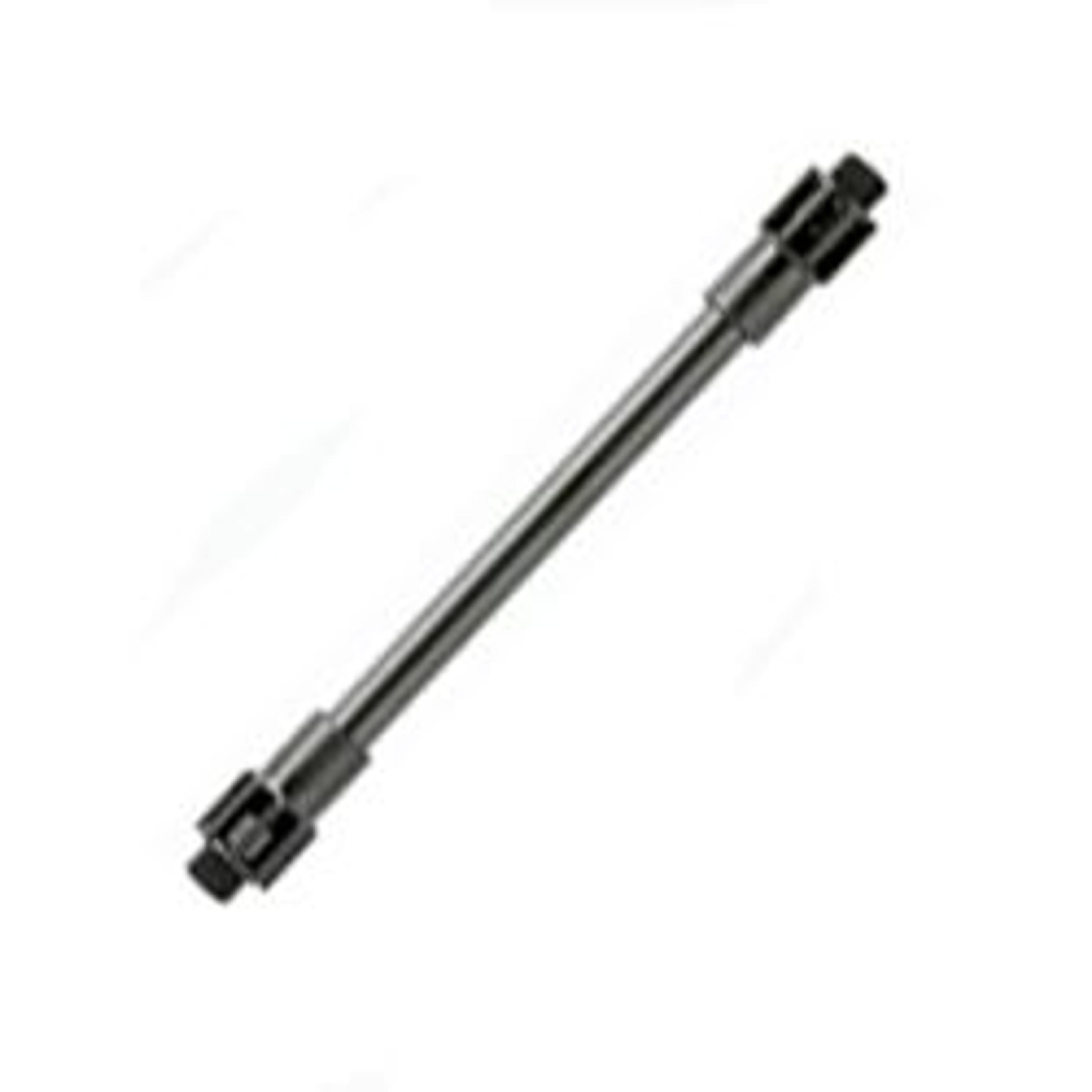
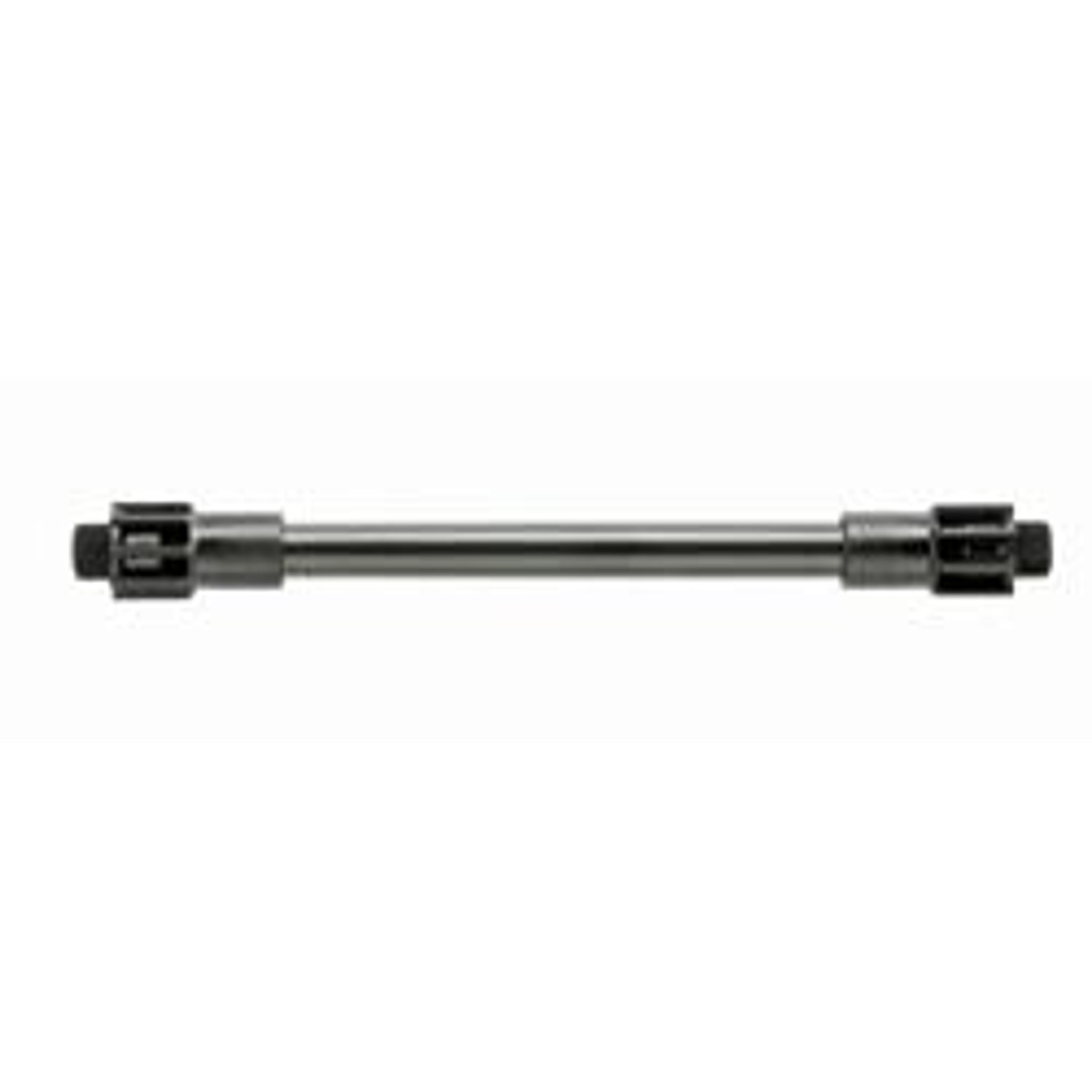
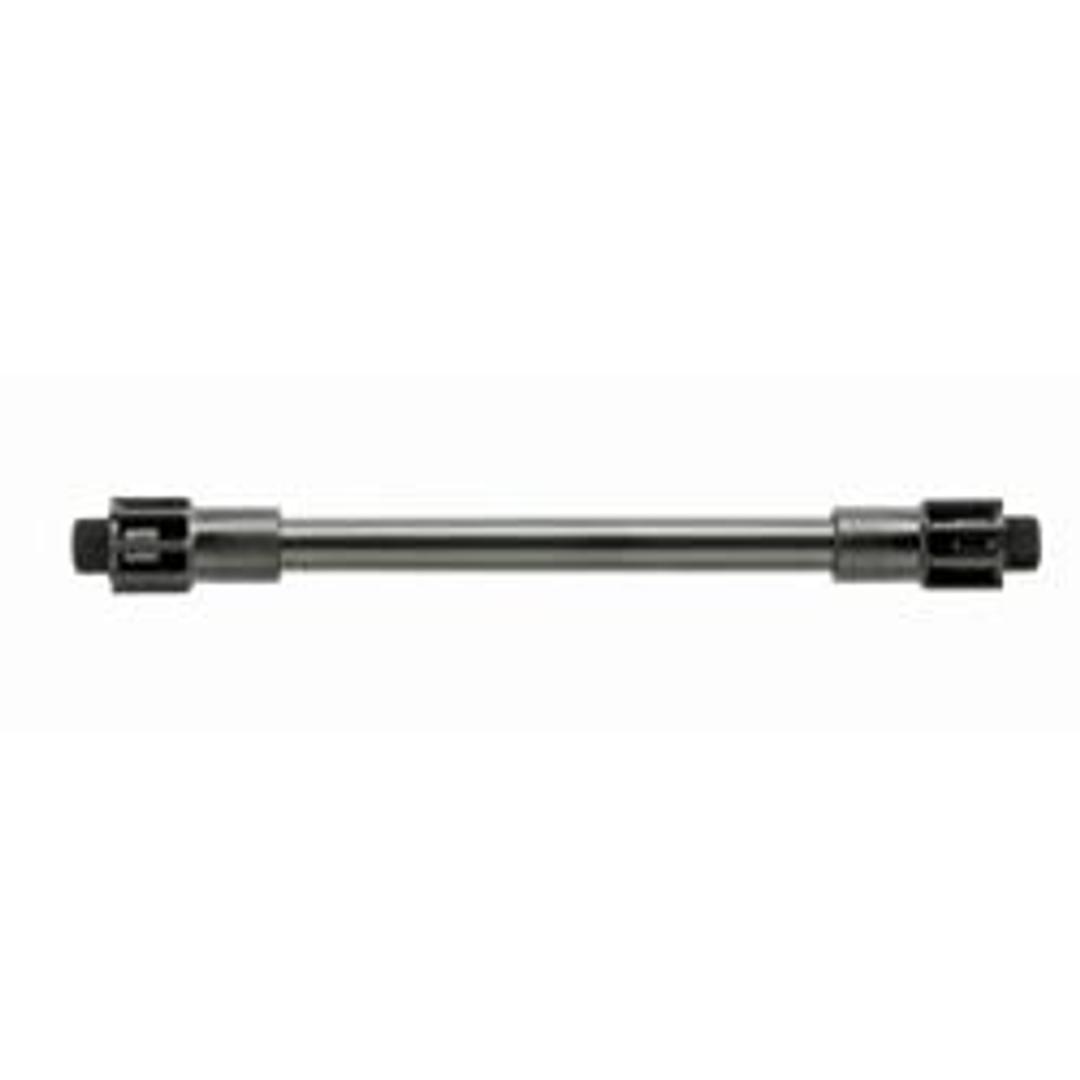
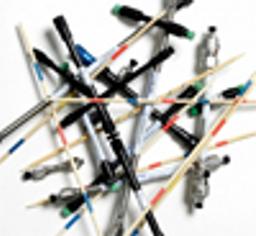
Chromolith® HighResolution: High resolution separations without ultra high pressure. The revolutionary monolithic Chromolith® HighResolution columns are made from a single rod of high-purity monolithic silica, rather than from particles. Their unique bimodal pore structure allows the chromatographic performance to be improved significantly. Speed of analysis (separations up to 9 times faster if required) Separations two…


The supplier does not provide quotations for this product through SelectScience. You can search for similar products in our Product Directory.
Great results
Analyze metabolites in urine sample
We achieve high-quality and highly reproducible results by using this column.
Review Date: 3 Oct 2022 | Merck KGaA, Darmstadt, Germany
Good quality-price ratio
Analyze small molecules
Very easy to use and good price-quality ratio.
Review Date: 29 Mar 2022 | Merck KGaA, Darmstadt, Germany
Great product to have in your tool box
analysis of small molecules in biological samples
Chromolith monolithic column offers very unique selectivity. It resolved a critical pair cleanly in our application. The low back pressure allowed us to use very fast flow rate and short gradient, which allowed nearly real-time monitoring of fast reactions. The column is reasonably durable, and handled simple acetonitrile-precipitated plasma samples well. Only slight efficiency reduction was observed (broader peaks) after almost 100 injections.
Review Date: 30 Jun 2017 | Merck KGaA, Darmstadt, Germany
It’s a wonderful experience to use this column
Low molecular binding peptide determination in plant extract
It’s a wonderful experience to use this column to check low molecular binding peptides in radionuclide (uranium) treated plant samples.
Review Date: 16 Oct 2015 | Merck KGaA, Darmstadt, Germany
Excellent HPLC
Good separation, resolution, fast, reliable and accurate.
Review Date: 2 Jan 2014 | Merck KGaA, Darmstadt, Germany
Cosmetics
Excellent, easy to use, fast analysis. We love it!
Review Date: 6 Nov 2013 | Merck KGaA, Darmstadt, Germany
amino acids quantification
It is a good column for fast and good efficiency determinations.
Review Date: 27 Aug 2013 | Merck KGaA, Darmstadt, Germany
Easy to use with sharp peek resolution.
Review Date: 17 Feb 2012 | Merck KGaA, Darmstadt, Germany
food analysis
One of our best performance columns in our laboratory. Good separation, long life and reproducible results.
Review Date: 17 Feb 2012 | Merck KGaA, Darmstadt, Germany
chromatography
This column was introduced at a time when analytical labs were trying to achieve UPLC type capability without having to purchase an UPLC. Excellent reproducibility, robust and a great column for a variety of applications.
Review Date: 16 Feb 2012 | Merck KGaA, Darmstadt, Germany
Chromolith® HighResolution: High resolution separations without ultra high pressure.
The revolutionary monolithic Chromolith® HighResolution columns are made from a single rod of high-purity monolithic silica, rather than from particles. Their unique bimodal pore structure allows the chromatographic performance to be improved significantly.
- Speed of analysis (separations up to 9 times faster if required)
- Separations two times faster at half the column back-pressure compared to μm columns
- Higher sample throughput
- Improved HPLC system security
- Significantly increased column lifetime
- Reduced maintenance on HPLC pump and injector seals
- Reduced need for sample preparation as columns are very resistant to blocking (even with biological samples)
- Column length no longer pressure limited
- Very high separation efficiency by column coupling

Complete Solutions for Dissolution Testing: Monograph Methods for Tablets and Capsules
In this compilation you will find complete solutions for dissolution testing of a few selected formulated small molecule drugs. The highlighted methods follow the current USP37-NF32 monographs, and are all compliant with USP38-NF33 and the given system suitability requirements.
Solutions for Mass Spectrometric Detection
This compendium of selected articles is intended to help and support users of chromatographic separation methods in mass spectrometric laboratories worldwide, by providing an overview of different actual topics in this field of analytical science.
Chromolith® HPLC columns: Race Through Separations with Revolutionary Technology
Due to their revolutionary monolithic technology, Merck Millipore’s Chromolith® HPLC columns provide excellent separations in a fraction of the time required by conventional particulate columns. The high permeability and porosity of the silica skeleton, and the resulting low back pressure allow for more flexible flow rates than particle-packed columns. As a result, Chromolith® HPLC columns enable high-throughput analysis without loss of separation efficiency or peak capacity.
Pharmacopoeial Requirements - How to Change a Regulated Method
Over the last two centuries massive progress has been made around the globe to make drugs safe for consumers, both on a national as well as on an international level, thus assuring the potency of commercially available drug products. Depending where (in which country or region) a finalized drug product will be used it must meet the specified regulations and thus many pharmaceutical companies work from several pharmacopoeias. One of the more important improvements is the requirement for impurity profiling or in other words the analysis of related substances (RS) monographs. Assay and potency methods as well as identification of impurities are carried out with various analytical techniques. HPLC has especially been widely exploited for impurity profiling methods.
Chromolith® HighResolution Column & Chrombook App from Merck Millipore
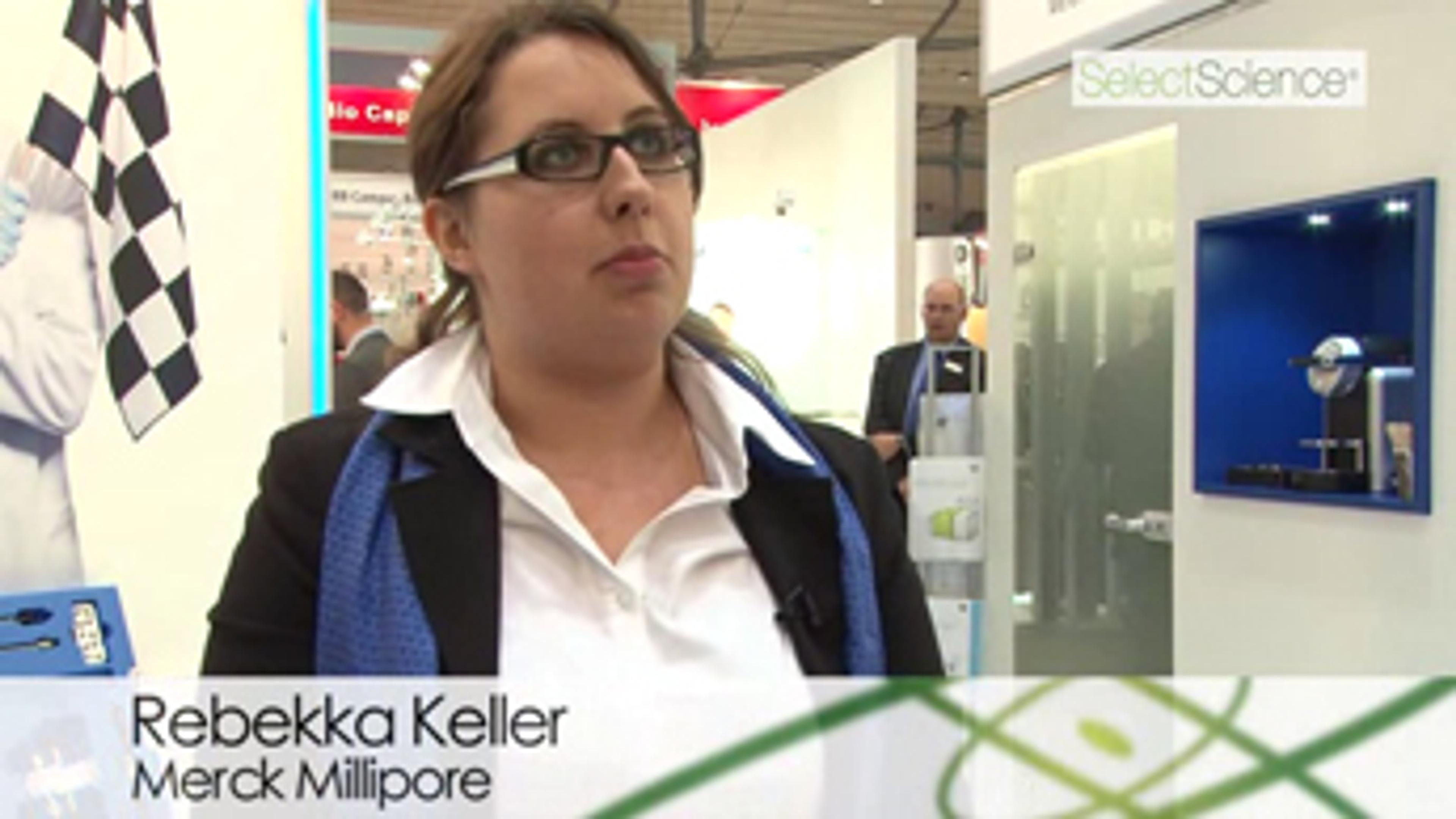
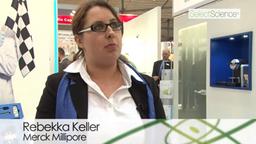
Watch this video interview to learn how the new Chromolith® HighResolution column, presented by Rebekka Keller from Merck Millipore, can speed up your sample preparations for a high resolution and narrow peaks. Rebekka also demonstrates how the new ChromBook app can help scientists to find the right equipment for their application. Interview filmed by SelectScience at Biotechnica 2013.
High-Performance Liquid Chromatography
Learn more about HPLC columns and their applications. Focus is given to the Chromolith® monolithic silica columns and how they are achieving consistency in production and in results especially for nano and micro HPLC.
‘Effective communication enables you to stand on other people's shoulders and see much further'
Gang Chen, lab manager at Simon Fraser University, reveals his contribution to tackling the pandemic and how communication is vital in science
Download the New How to Buy HPLC Columns Guide
Free SelectScience Webinar: Tips and Tricks for LC-MS
Register your place for this exciting event and Q&A session
The New SelectScience HPLC Columns Buying Guide is Out Now!
Save valuable time with this exclusive guide to HPLC column technology