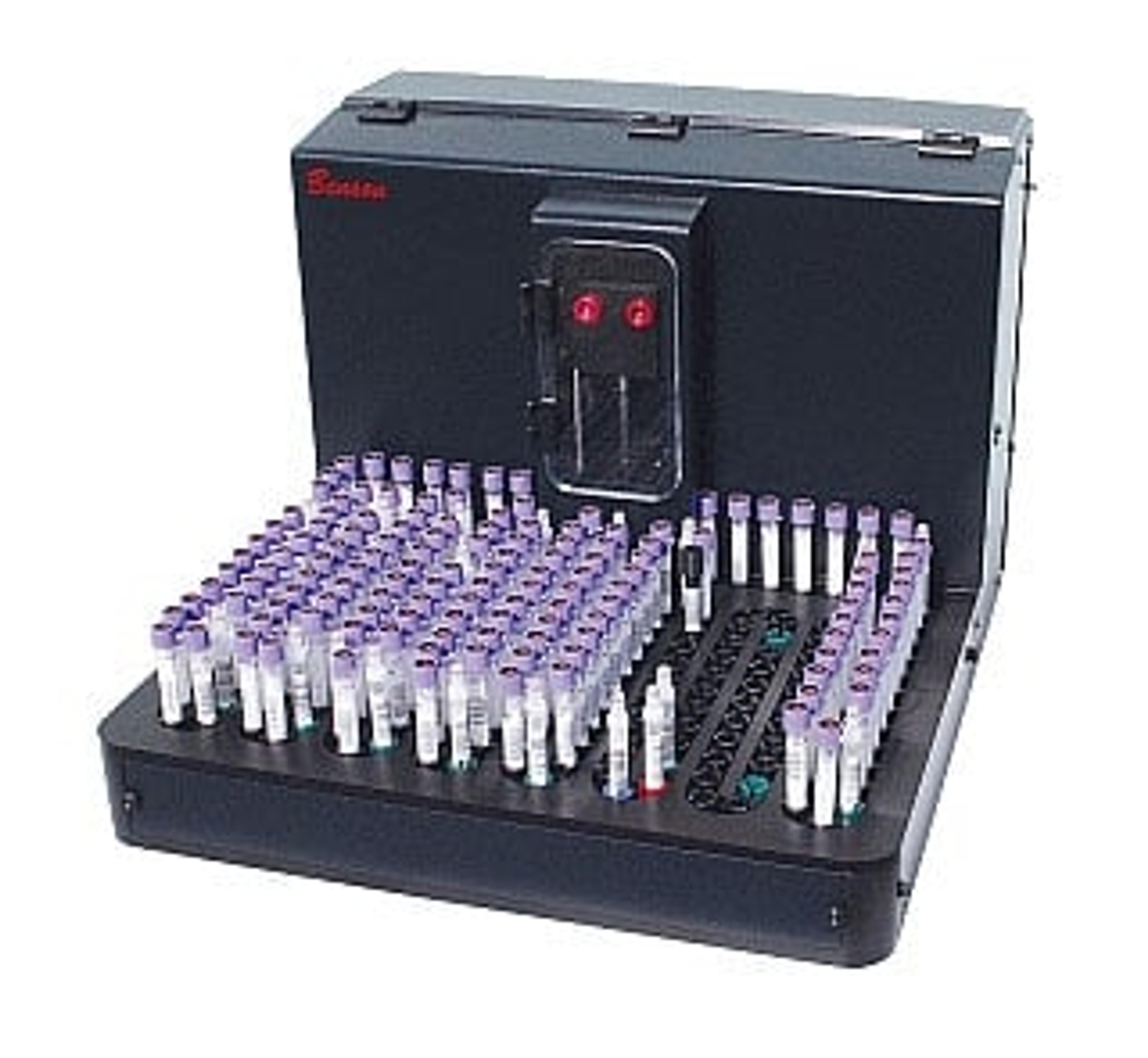
BV200 automated multi-sample plasma viscometer
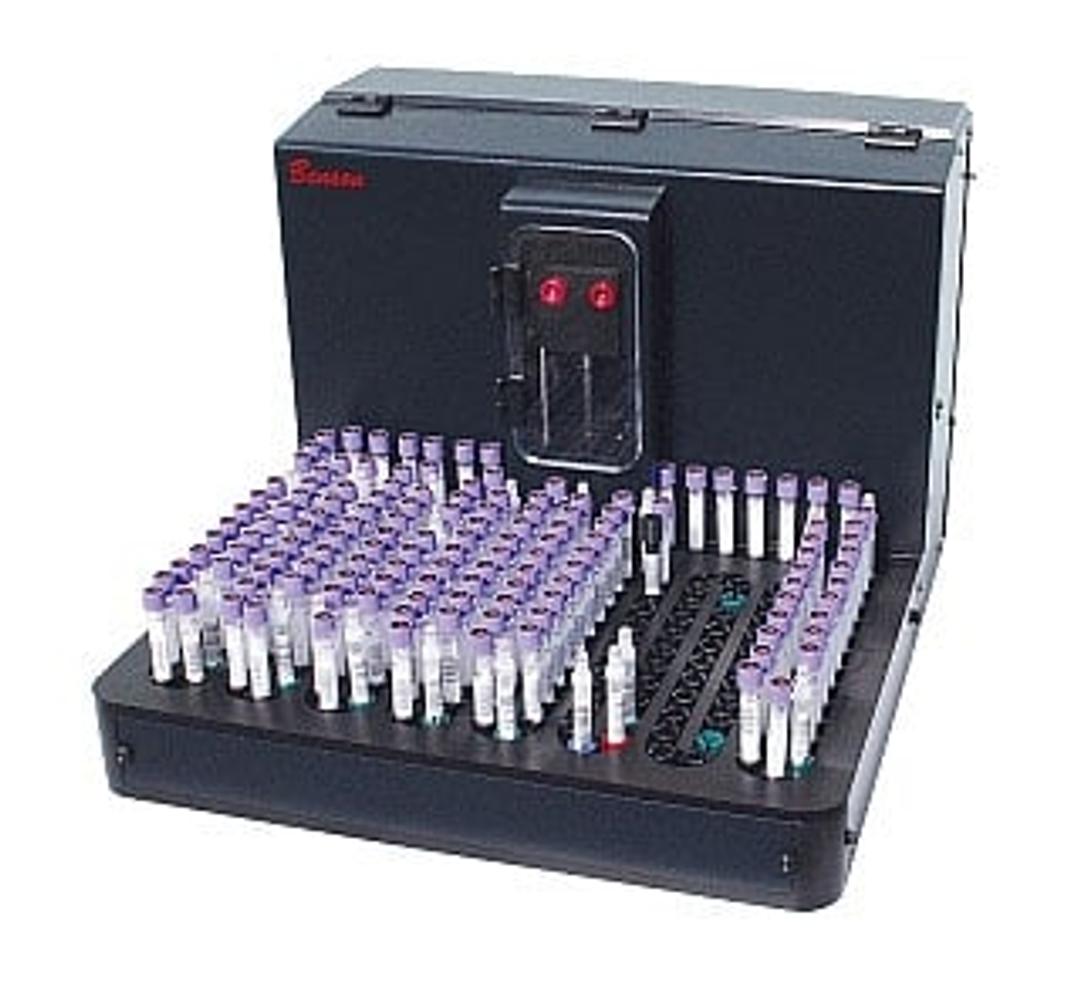
The BV200 automated multi-sampling plasma viscometer calculates the PV of samples within 30 seconds of the tube being detected by the system. It can process up to 180 samples, displays the PV on the local PC, and automatically makes the information available to the hospital computer system. For the busy laboratory, this load-and-walk-away system saves time and eliminates many manual errors. The automated bar code facility, 't…



The supplier does not provide quotations for this product through SelectScience. You can search for similar products in our Product Directory.
The BV200 automated multi-sampling plasma viscometer calculates the PV of samples within 30 seconds of the tube being detected by the system. It can process up to 180 samples, displays the PV on the local PC, and automatically makes the information available to the hospital computer system.
For the busy laboratory, this load-and-walk-away system saves time and eliminates many manual errors. The automated bar code facility, 'through the cap' sample aspiration, and computerised results transmission removes the dependency on senior laboratory personnel.
The BV200 is the UK’s system of choice for plasma viscometry screening of all inflammatory conditions.
• Fast turn-around time of 15 minutes from sample receipt to results, including centrifugation
• Direct sampling from primary blood tubes reducing the biohazard risks to personnel
• Uses sample tubes previously used on the full blood cound so eliminates the need for a additional blood samples
• Requires only 50 micro-litres of plasma
• Accommodates all leading blood collection tube manufacturers (Greiner, Becton Dickinson, Sarstedt)
• Load and walk away capacity from 1 to 180 patient samples
• Automatic barcode reading at time of test
• Automatic calibration checks
• Samples tested at 37°C and reported either at 25°C or 37°C
• Bench-mounted – the footprint is 570mm deep by 545mm wide
• Stand-alone or interfaced to a network (LIMS)
• Software runs on Windows PC (Windows 2000, Me, XP)
Calibration analysis available using Levey-Jennings computation
Viscometers of Choice for Monitoring all Inflammatory Conditions
©Benson Viscometers Ltd 2010

Why Choose Plasma Viscosities?
Harkness Published an original paper on the clinical value of plasma viscosity measurements in 1971. Plasma viscosity was demonstrated to be a useful and reliable measurement, superior to erythrocyte sedimentation rate. Despite this, plasma viscosity measurements are not included in standard clinical tests around the world today. This application note demonstrates the merits of plasma viscosity measurements and why they should be taken up by the larger scientific community.
Screening for Hyperviscosity Syndrome: Choosing the Right Technology
Plasma hyperviscosity is a secondary condition which may present in a large number of clinical states. Increase in viscosity of plasma usually results from increased circulating monoclonal and polyclonal immunoglobulin disorders. This application note discusses the clinical implications of hyperviscosity, treatment strategies and the correct technology for monitoring plasma viscosity.
Replacement of ESR with Plasma Viscosity
Both plasma viscosity and erythrocyte sedimentation rate (ESR) are used to screen for the presence of infection or inflammation and to monitor disease activity. However, there are differences between each test. This application note presents the difference between ESR and plasma viscosity measurements and the physiological factors that influence them.
The BV200 Automated, Multi-Sample Plasma Viscometer
This video demostration explains the key features of the BV200 Automated, Multi-Sample Plasma Viscometer and how it is utilized in monitoring a range of inflammatory conditions. The automated capilliary viscometer can analyze plasma samples stored in EDTA without removing the cap. The viscometer takes only 50 µl of plasma per analyses, allowing repeat testing for pediatric and adult samples.