
SOFT 2016: Restek to Hold Technical Presentations on Biphenyl Column Applications
13 Oct 2016
At the Society of Forensic Toxicologists (SOFT) Annual Meeting 2016, taking place in Dallas October 16-21, Restek are offering presentations that highlight the performance of their Restek’s Raptor Biphenyl columns for forensic applications.
Biphenyl chemistry was first developed at Restek and they continue to lead the pack in applications and innovations. Stop by Booth 404 to chat with Restek chemists and learn how Biphenyl columns and Restek Pure Chromatography can improve data quality and productivity in your lab.
Technical Presentations taking place, Thursday, October 20:
- P58: LC-MS/MS Method Development Challenges for the Separation of 43 Opioids and Metabolites.
- P65: LC-MS/MS Method Development Challenges for the Analysis of 43 Anxiety Medications and Metabolites
- P66: The Analysis of Emerging Drugs of Abuse: Updating an Existing Method with New Compounds
- P67: A Multiclass Drug and Metabolite Screen of 231 Analytes by LC-MS/MS
- P68: Analysis of Fentanyl and Its Analogues in Human Urine by LC-MS/MS
You can read abstracts for these presentations, contact the presenters and get additional information at the Restek website.
Related products
Request Quote for All Products
Raptor™ Biphenyl LC Column
Restek Corp.With Raptor™ LC columns, Restek chemists became the first to combine the speed of superficially porous particles (also known as SPP or “core-shell” particles) with the resolution of highly selective USLC® technology. This new breed of chromatographic column allows you to more easily achieve peak separation and faster analysis times without expensive UHPLC instrumentation.
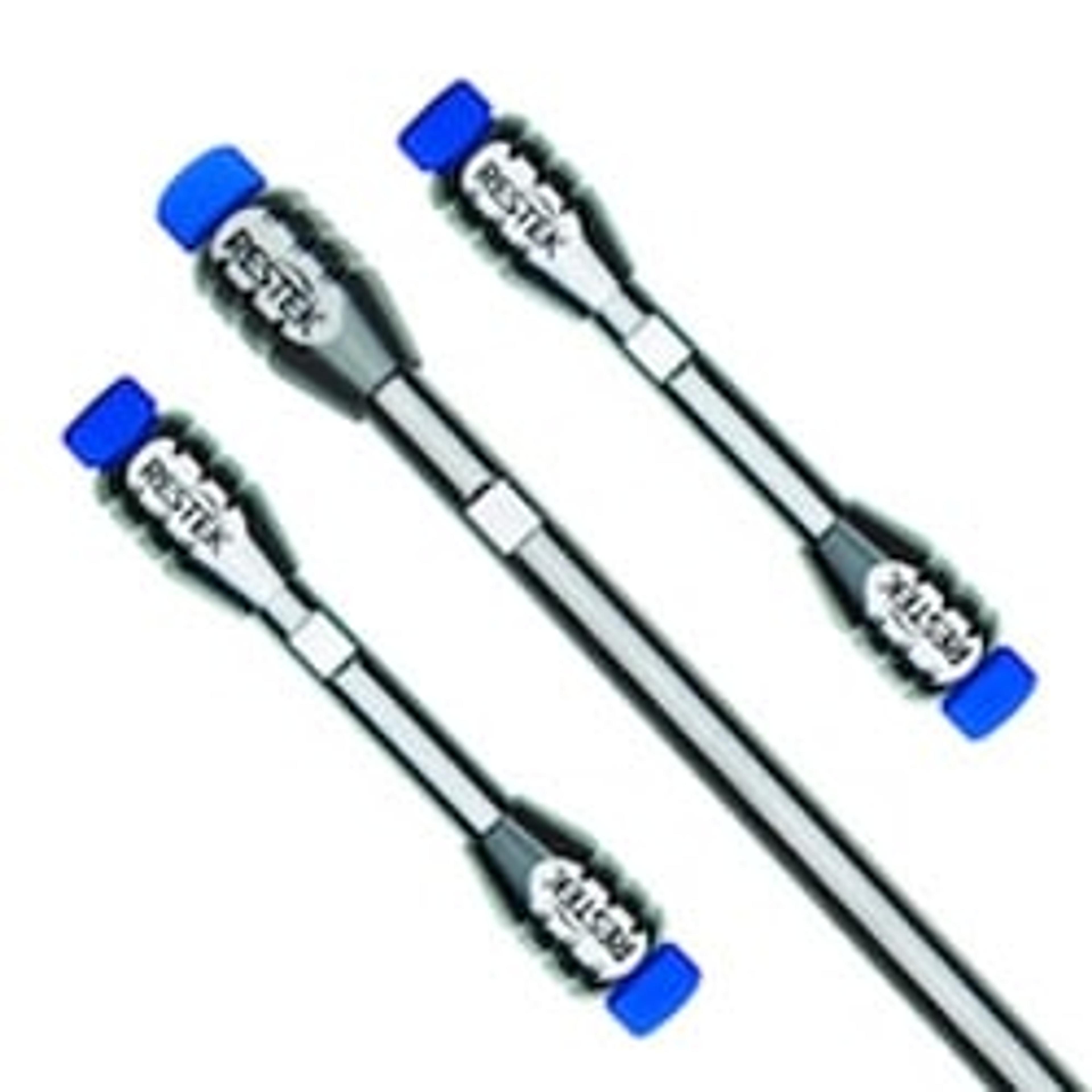
Ultra Biphenyl Columns
Restek Corp.Properties: Increased retention for dipolar, unsaturated, or conjugated solutes. Enhanced selectivity when used with methanolic mobile phase. Ideal for increasing sensitivity and selectivity in LC-MS analyses particle size: 3 μm or 5 μm, spherical pore size: 100 Å carbon load: 15% endcap: fully endcapped pH range: 2.5 to 8 temperature limit: 80 °C USP phase: L11 phase category: phenyl ligand type: unique Biphenyl