Editorial ArticleClinical Diagnostics
The microbiology breakthroughs every lab professional needs to know about in October 2026
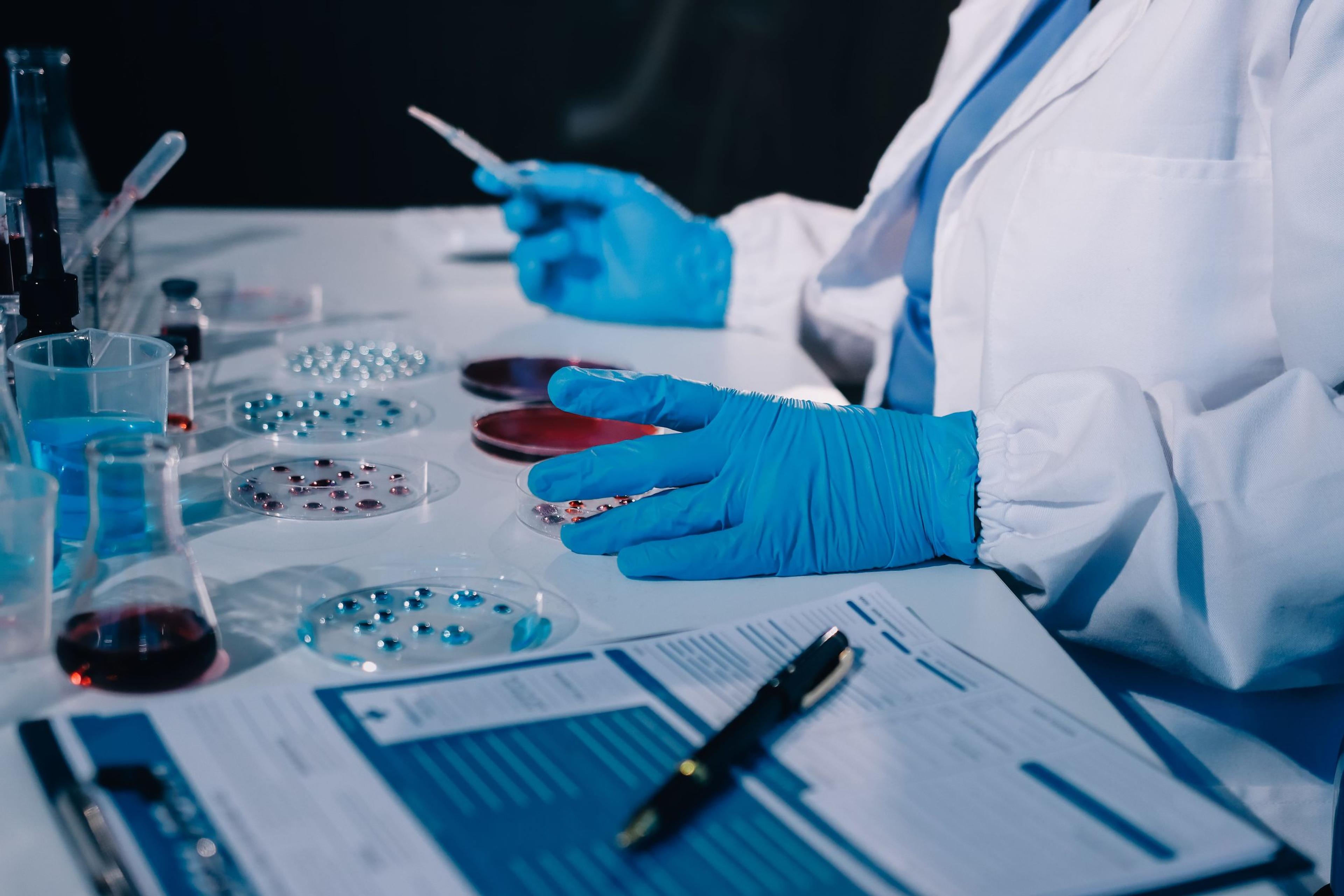
Sepsis, superbugs and speed - inside the changing microbiology laboratory

Sepsis, superbugs and speed - inside the changing microbiology laboratory
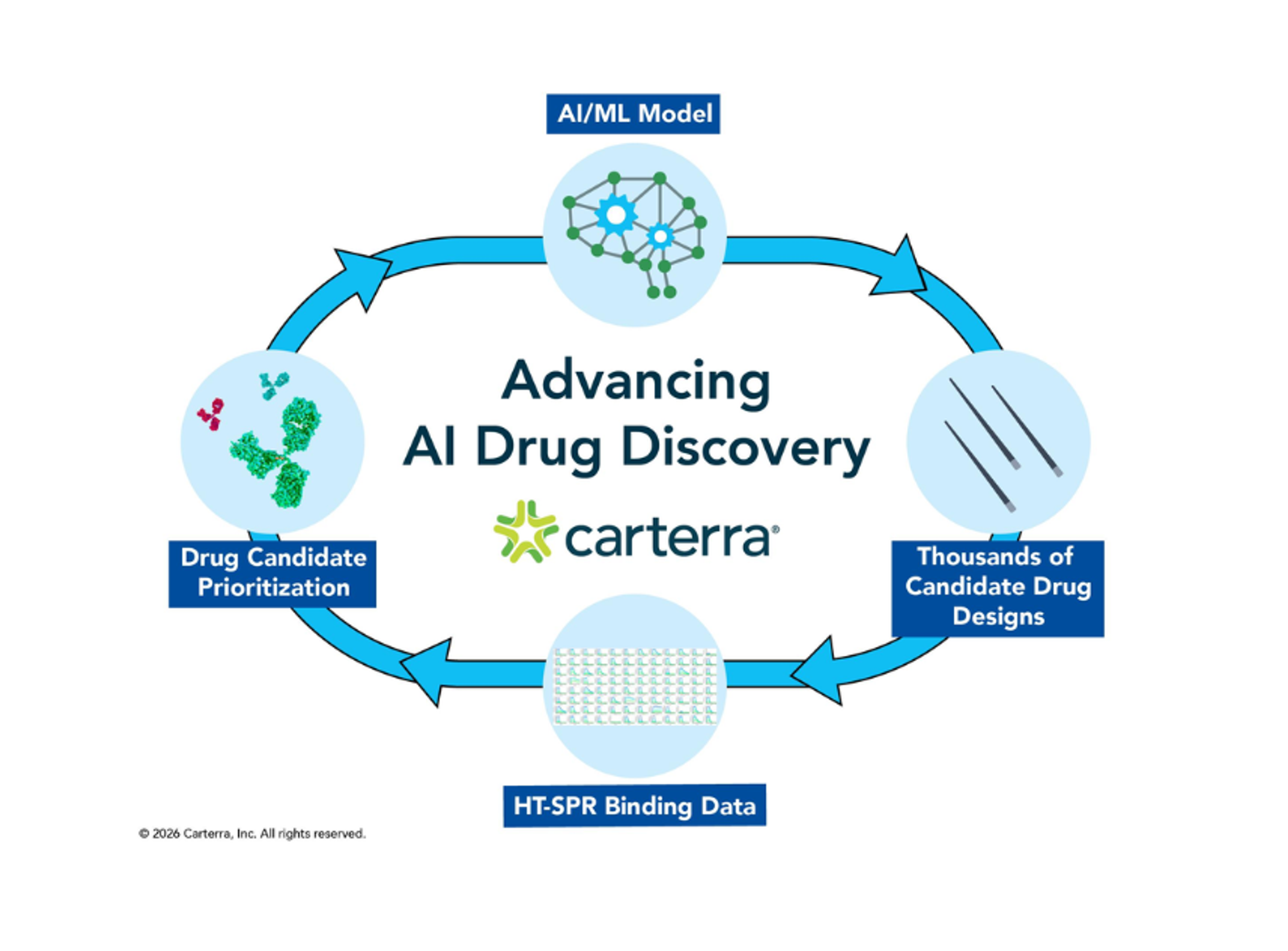
Bringing together scientific and technical expertise to advance development of hardware and software aimed at enabling a new wave of AI-driven, autonomous biologics discovery
Leandro Neves, Senior Global Director of R&D Genomics at LGC, discusses the technologies, challenges, and opportunities shaping the future of genomic analysis
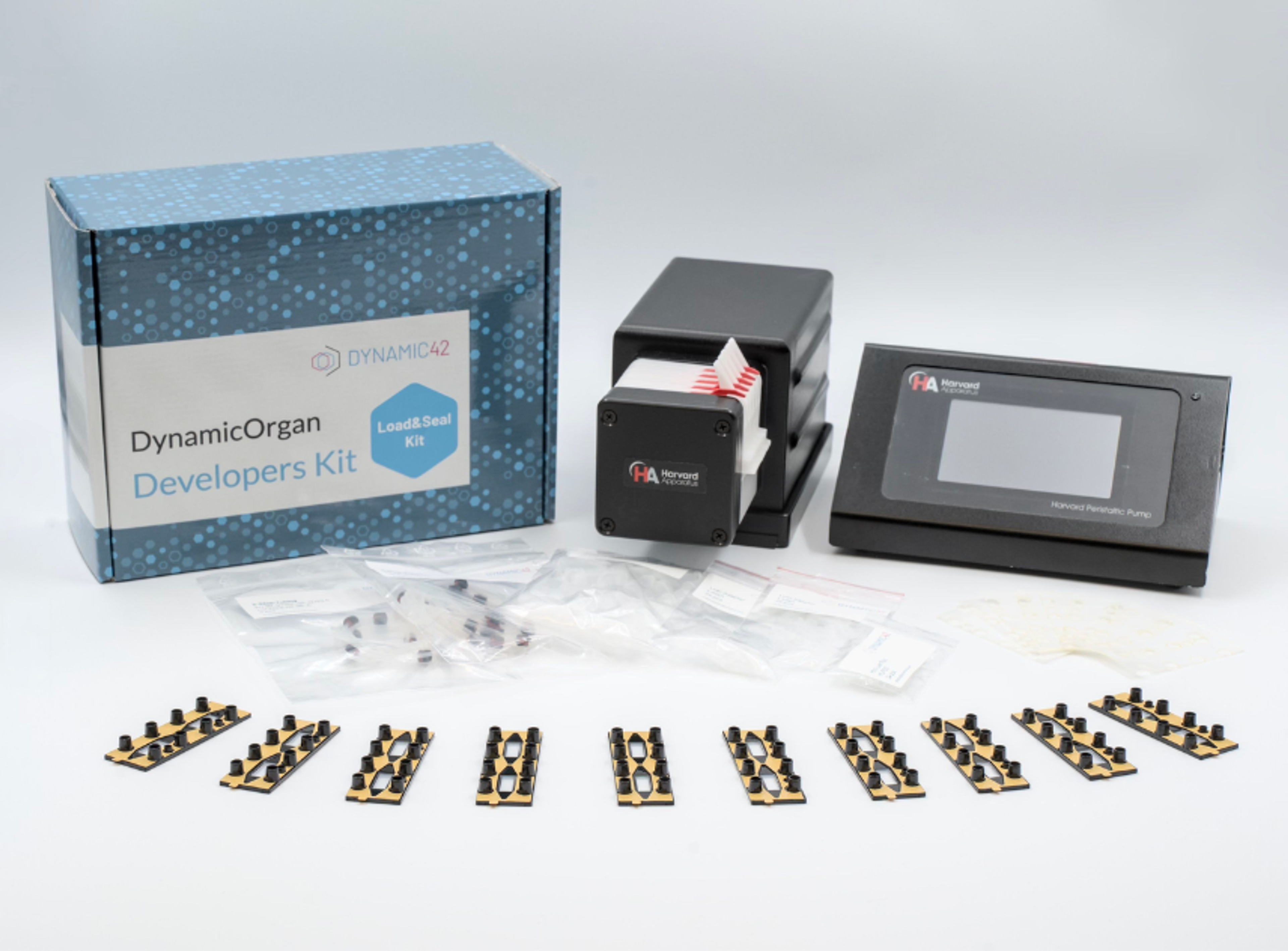
The DynamicOrgan Load&Seal Kit expands the Dynamic42 product platform with a perfused, open-top biochip, supporting applications from explant culture to localized drug-delivery studies
Tell us which new products have had the biggest impact on your lab work for a chance to win one of four $100 Amazon.com Gift Cards
Collaboration combines CellCarta’s global clinical trial testing capabilities with Waters’ standardized flow cytometry platforms and expertise
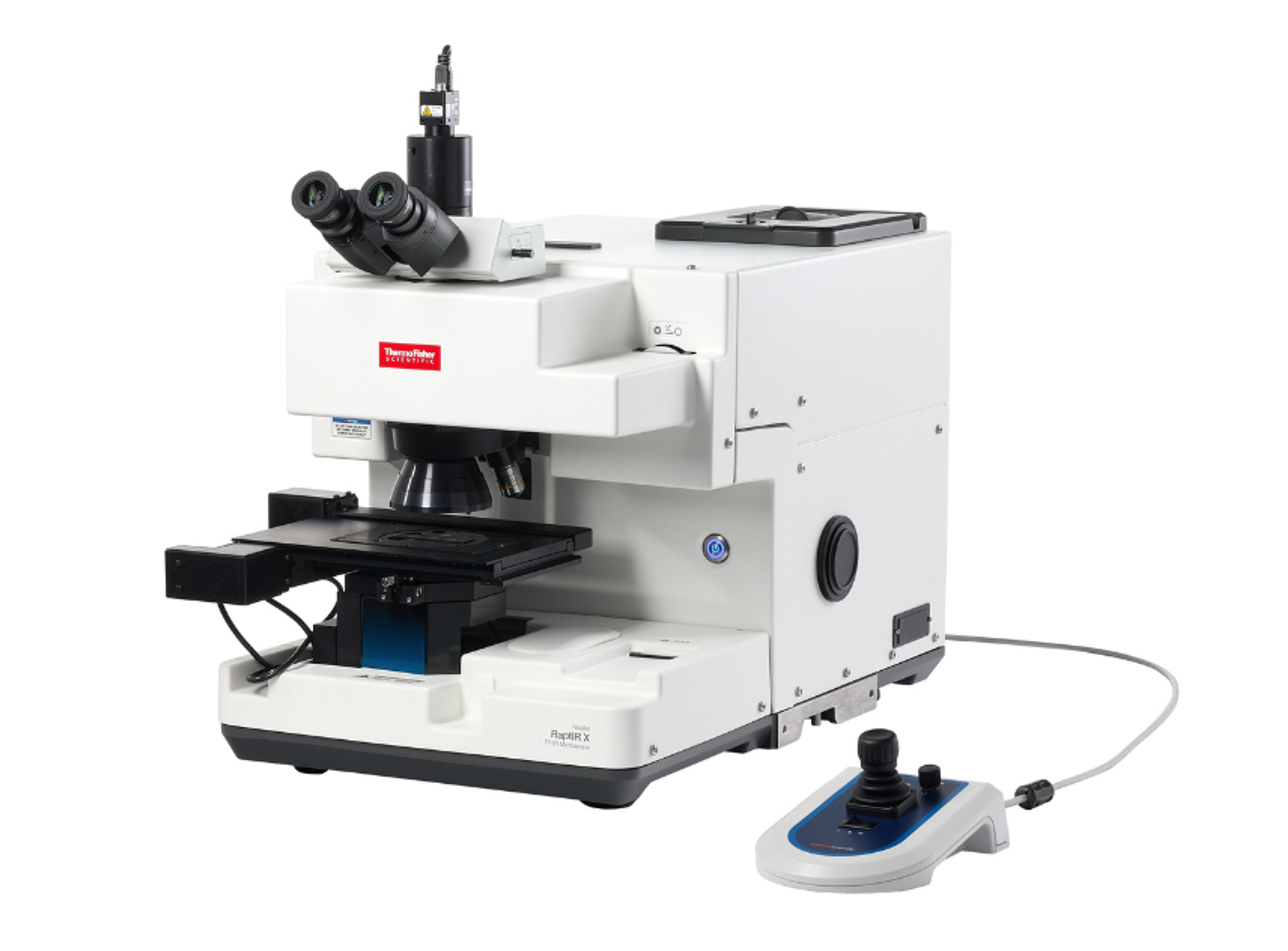
RaptIR X Microscope pairs high-definition optical microscopy with FTIR microspectroscopy so labs can identify samples more efficiently and intuitively
Guest editorial features key takeaways from Balancing the Future Podcast, season 2, episode 11, by METTLER TOLEDO
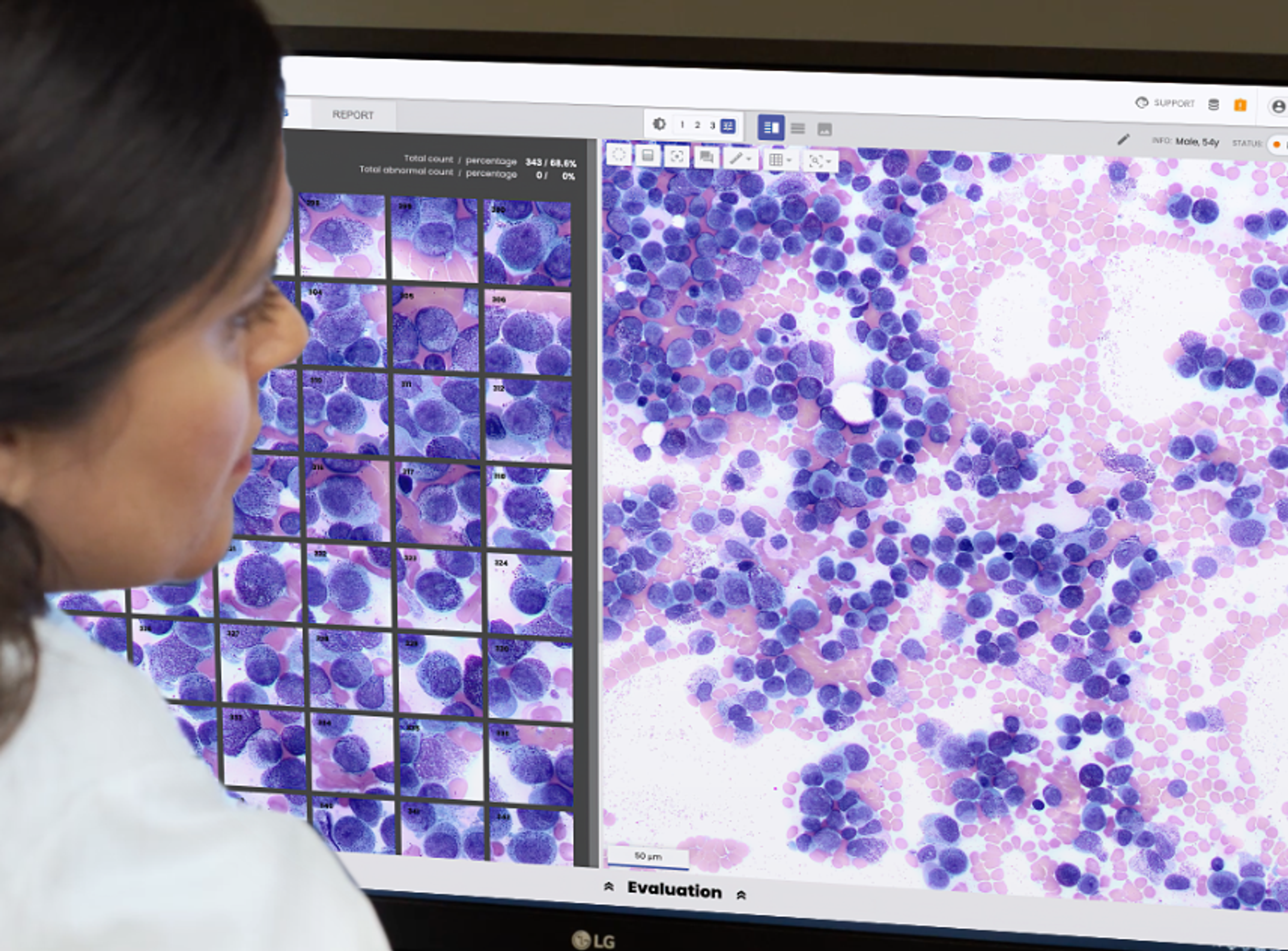
The agreement extends the reach of Aiforia's AI models to a broader base of laboratories across both Europe and the United States
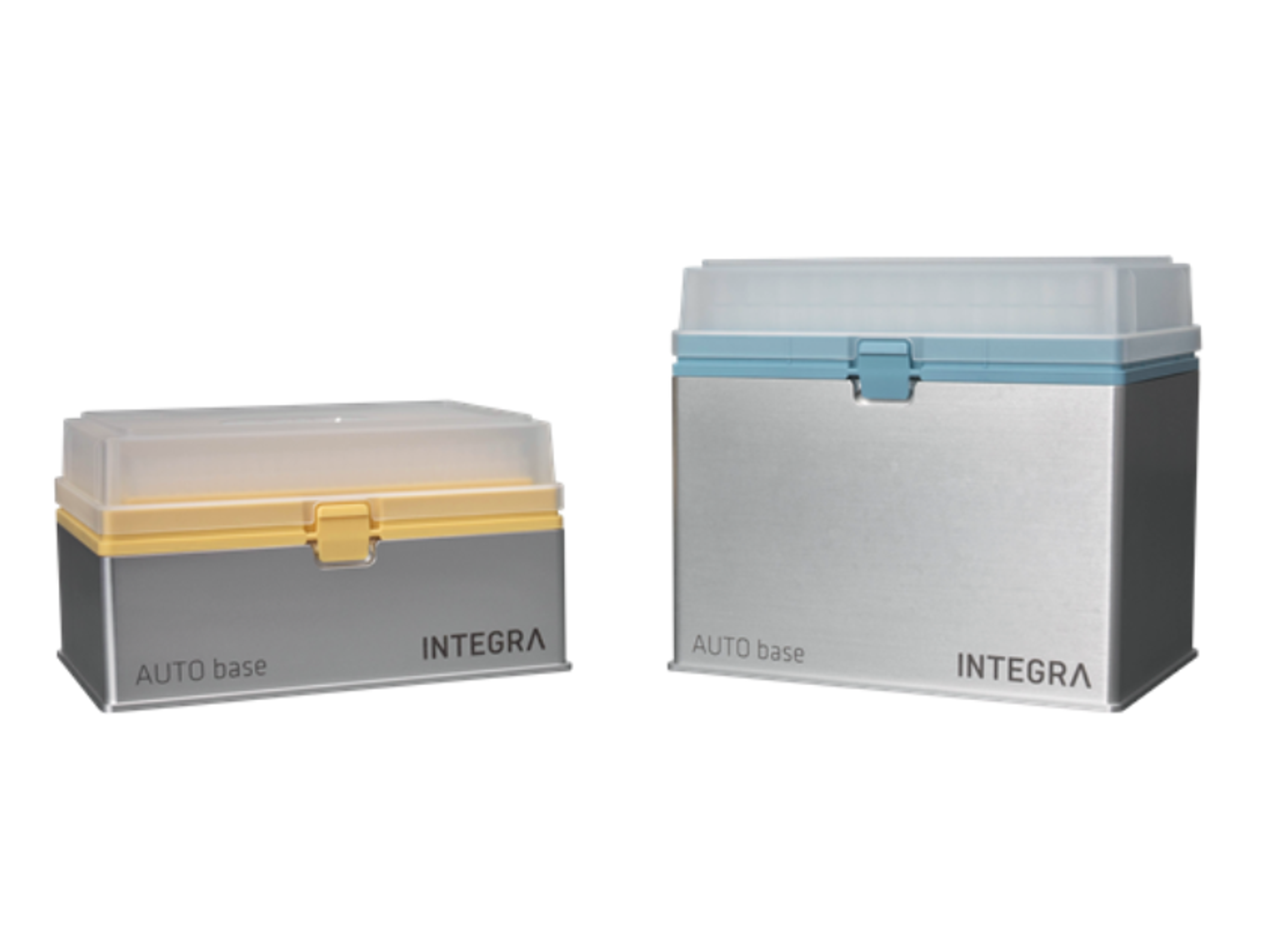
These latest additions to the company’s consumables range aim to further reduce the use of plastics in INTEGRA products
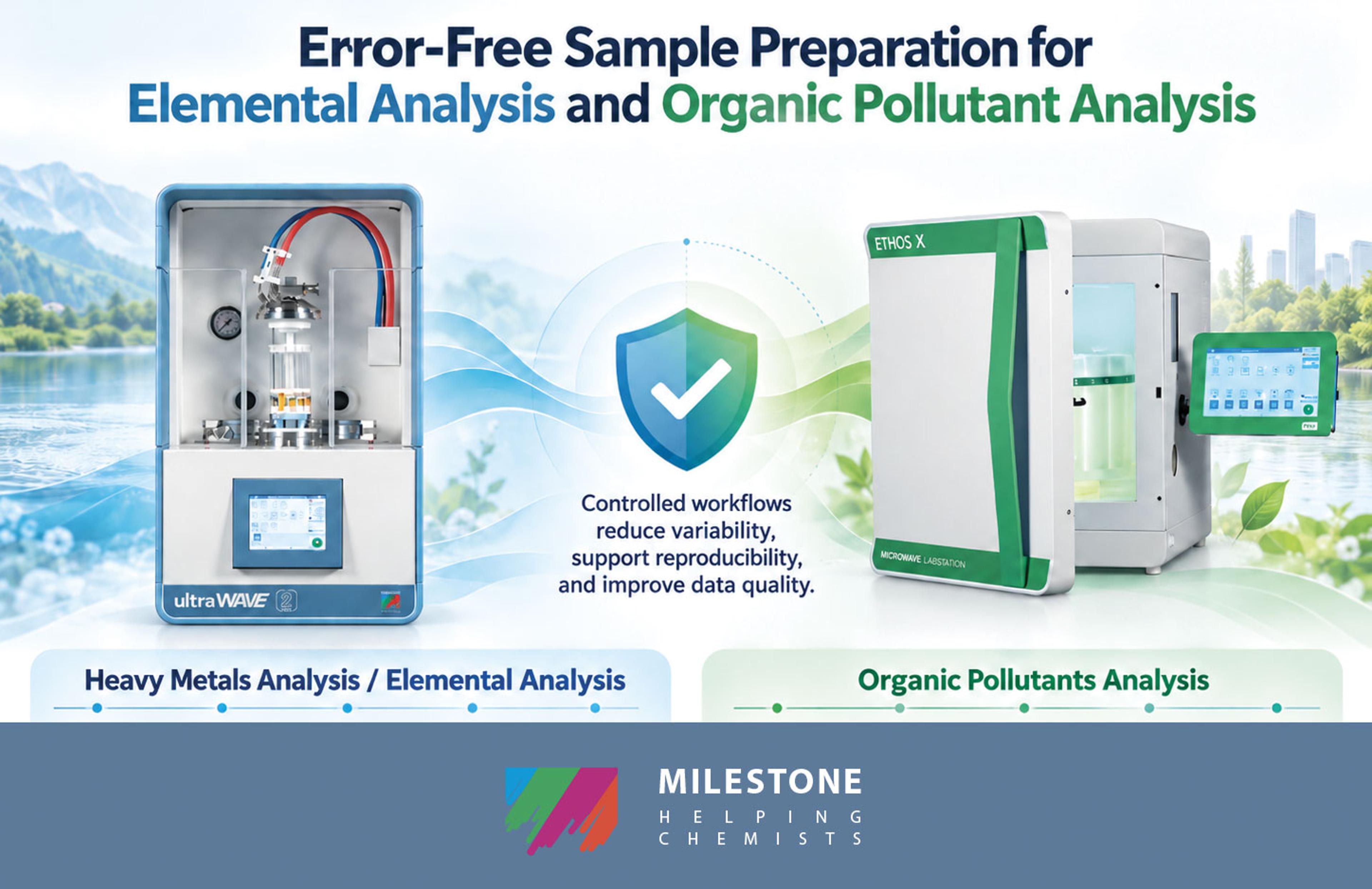
In this guest editorial from Milestone, discover why an error-free laboratory is not created by optimizing one operation in isolation, but by controlling the complete chain of sample preparation
Sensor technology developed by KAUST and Oxford detects Parkinson’s-related molecular signals in blood, achieving 90% accuracy in an initial clinical study
Programme to focus on AI, machine learning and data-driven approaches across protein design, characterisation and therapeutic development
As emerging contaminants expand the scope of water analysis, laboratories need robust reference materials to deliver confident results
New Phoenix laboratory expands Vitalant’s CGT analytics network with additional donor characterization and immune profiling capabilities
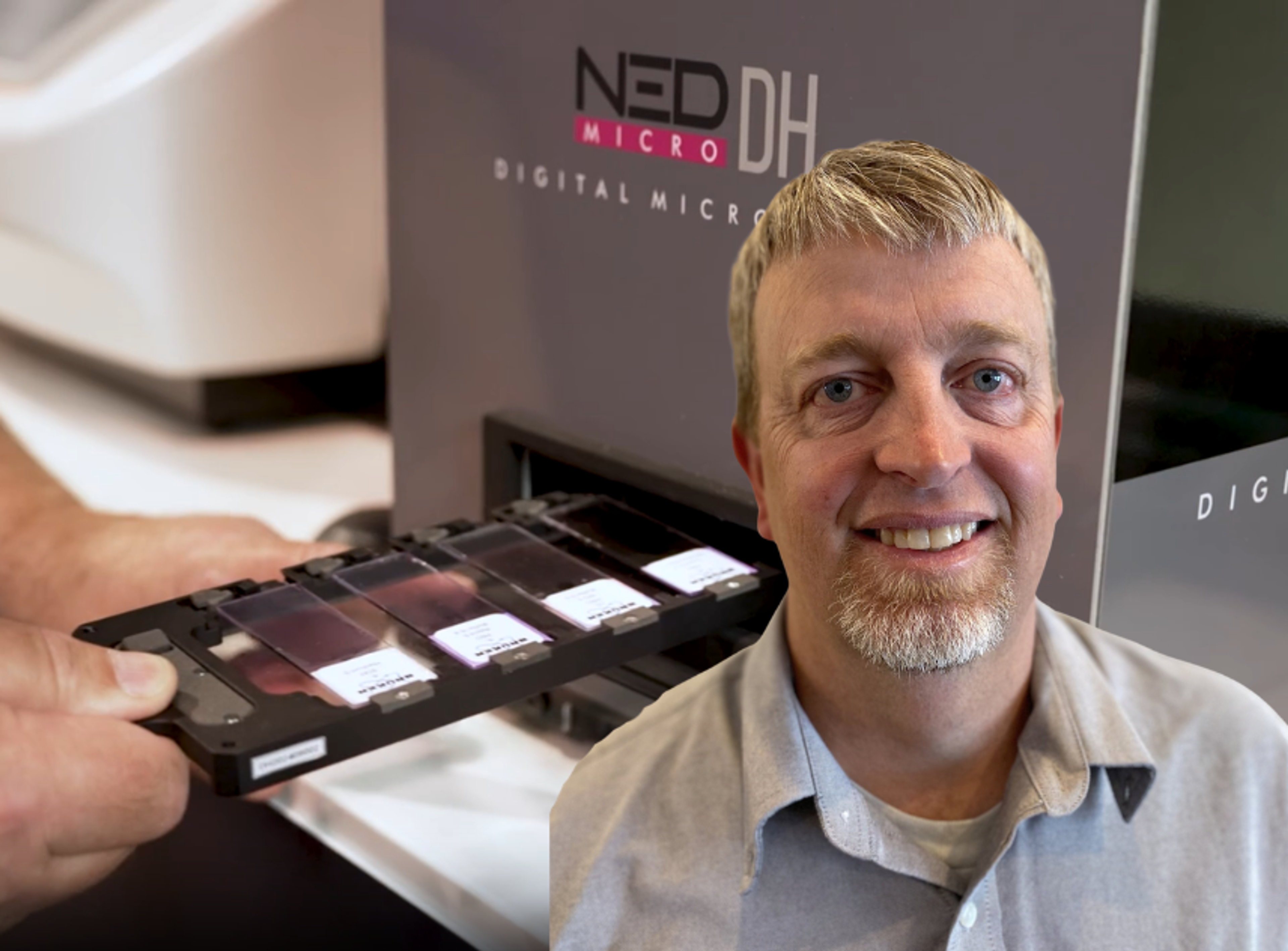
Learn how the NED® Digital Microscope can support real-time remote hematology review and more connected peripheral blood smear workflows
Initial work will examine the potential of Vitrafy’s technology to extend platelet preservation to support a more resilient blood supply
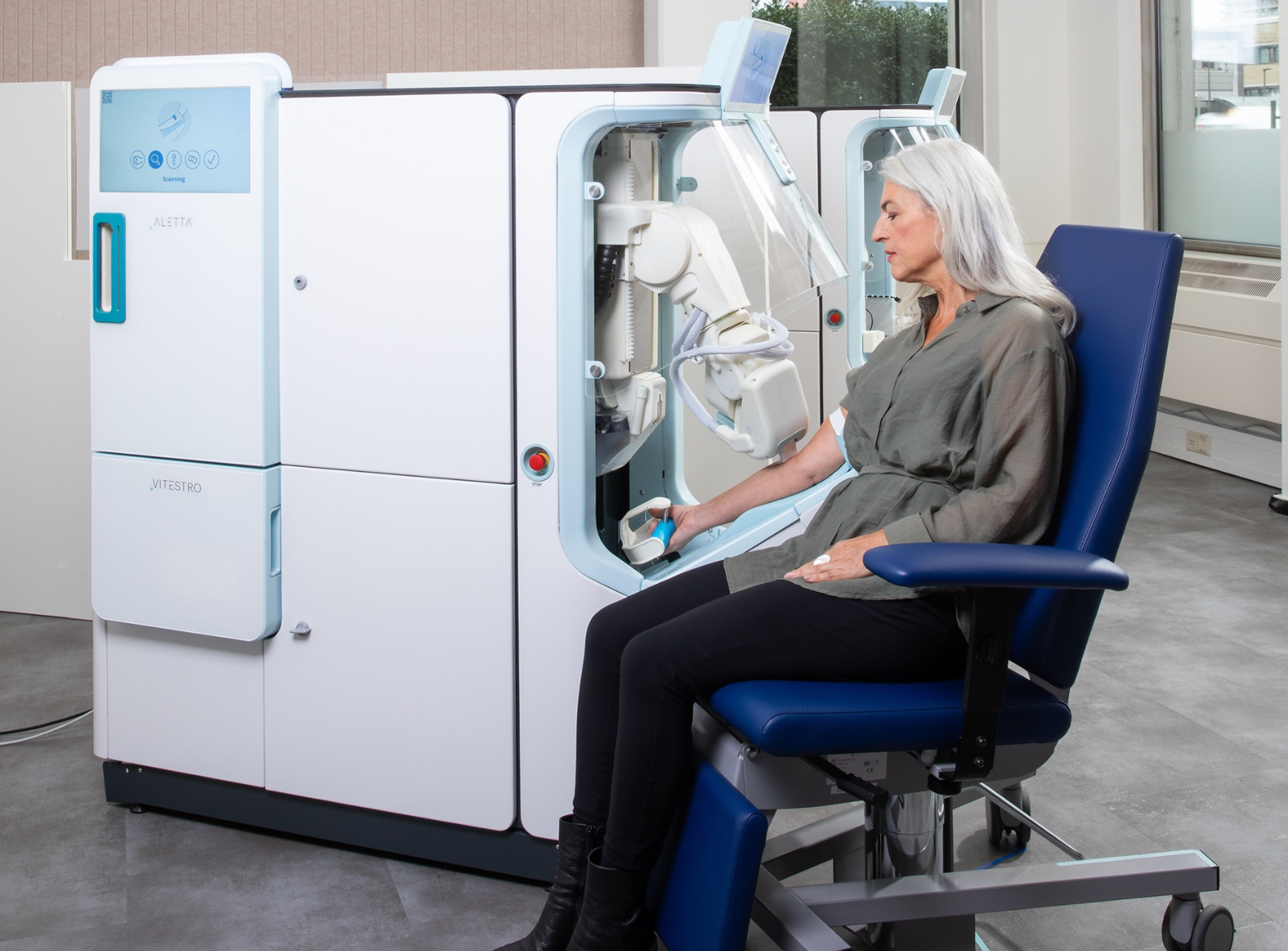
Yale Professor Joe El-Khoury discusses Aletta, the ADOPT study, and how autonomous blood collection could improve standardization, capacity, and quality across laboratory medicine
New cGMP-ready media and feed panel helps developers rapidly identify high-performing combinations
What if you could watch living cells for days, or follow them at 100,000 frames per second, without adding a single marker?
Nature Biotechnology publication details improved calibration framework for deep learning-based genetic perturbation models
Q&A with Microbiology in Health and Disease Lead Editor Liang Wang at the Journal of Applied Microbiology
D-dimer testing helps clinicians quickly assess patients during time-sensitive, emergent situations
Guest editorial by Eric Pabon, MBA, Senior Manager, Global Product Marketing, Hematology, Beckman Coulter
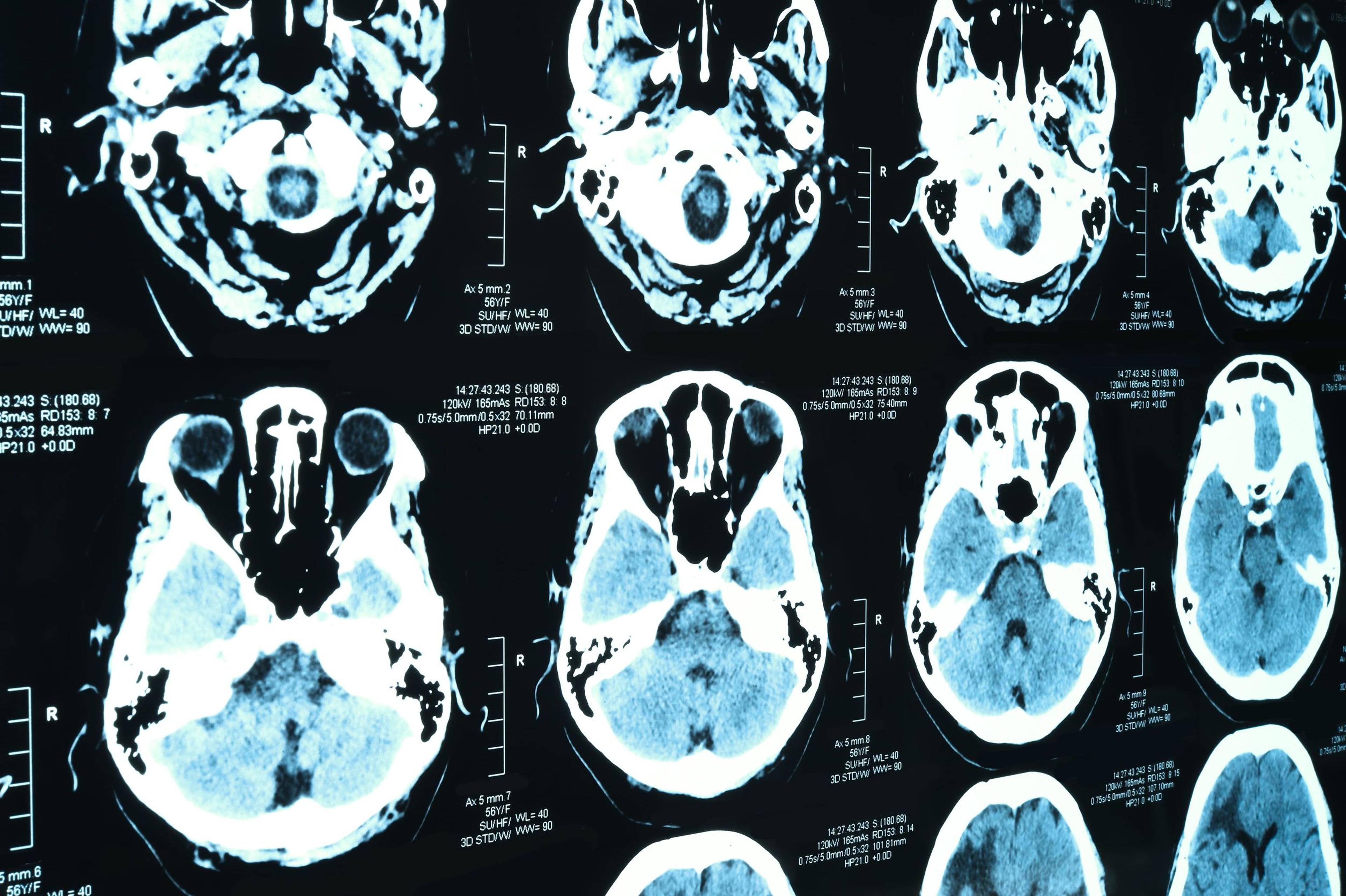
Discover how the HeadSMART II study is combining blood biomarkers, digital neurocognitive testing and AI to identify patients at risk of persistent TBI symptoms