
Screening Cancer Genes Using NimbleGen Sequence Capture Arrays and the GS Junior Sequencing System
10 Apr 2011This application note by Roche illustrates a method for screening a core set of exons from 75 genes associated with cancer in a single GS Junior sequencing run. Oligo hybridization methods have been shown to effectively enrich for both contiguous and disjoint regions of the genome with much less effort than is required for PCR. DNA from three human cancer cell lines was captured and sequenced. Known variants from the literature were identified along with >900 previously unobserved variants including 30–60 insertions and deletions per sample.
Related Products
Request Quote for All Products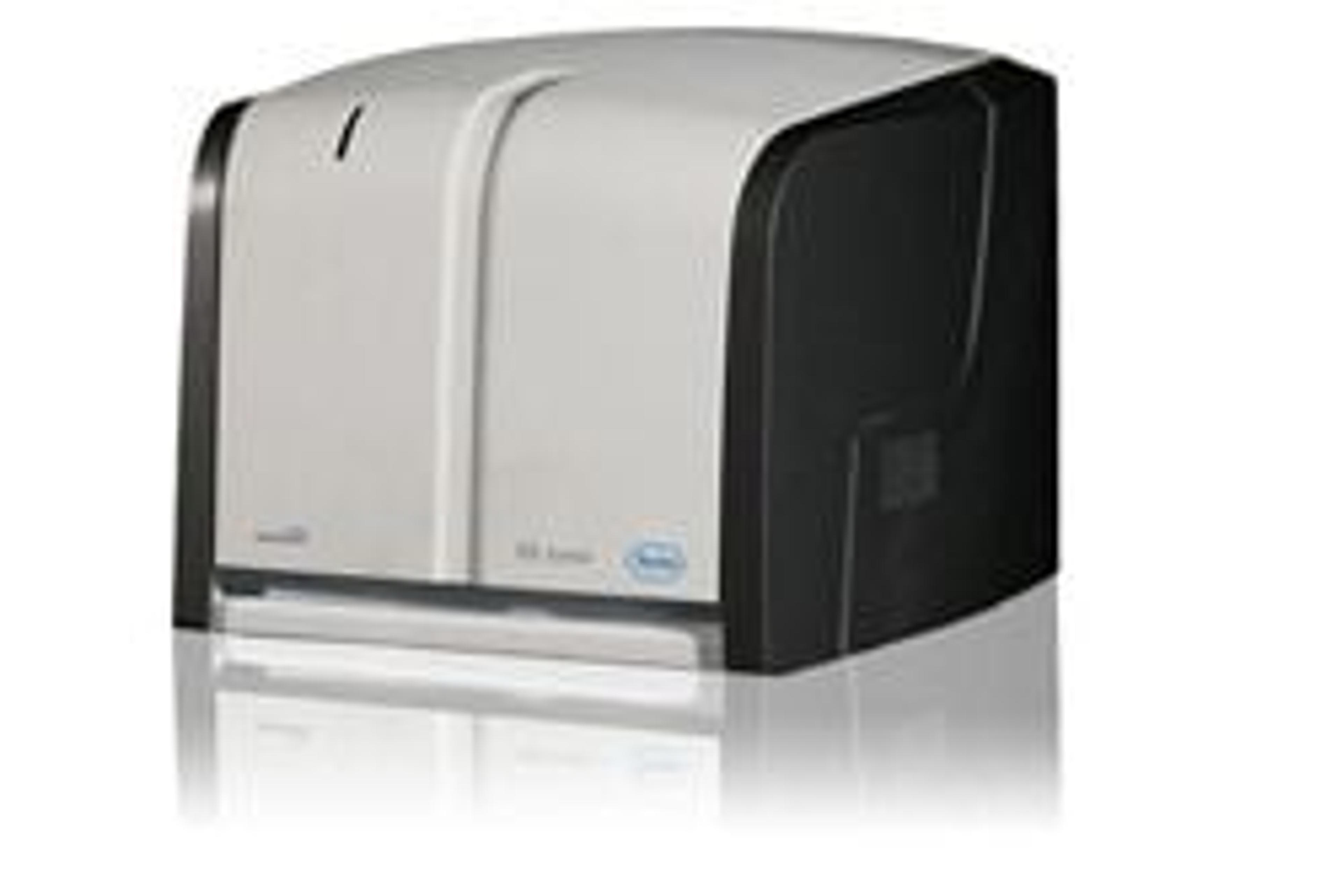
GS Junior System
The power of next-gen sequencing in your hands. The GS Junior System brings the power of 454 Sequencing Systems directly to the laboratory benchtop. Get comprehensive genome coverage with long 400 bp sequencing reads and quickly proceed from DNA to discovery with fast sequencing runs and straightforward data analysis on the attendant computer.GS Junior System Features: Powered by proven technology: Uses GS Junior Titanium chemistry to deliver high-quality, bioinformatics-friendly, long read data Fits in your lab: Small instrument size, along with low entry and operating costs, enables labs with limited budget and infrastructure to take advantage of next gen sequencing Easy to use: Manageable data size allows processing and analysis right on the attendant computer without the need for specialized computing or network infrastructures Point-and-click data analysis: Includes the GS Data Analysis Software for de novo assembly, reference mapping and amplicon variant analysis Applications: Amplicon Sequencing: Targeted sequencing of 10's - 100's of samples and loci Sequence Capture: Targeted sequencing of custom array regions Whole Genome Sequencing: De novo sequencing and resequencing of microbial organisms (bacteria, fungi, viruses) Metagenomics: Characterization of complex environmental samples; pathogen discovery Transcriptome Sequencing: Full-length sequencing and de novo assembly of transcripts