How to Buy Sepsis Diagnostics Technology
30 Oct 2026
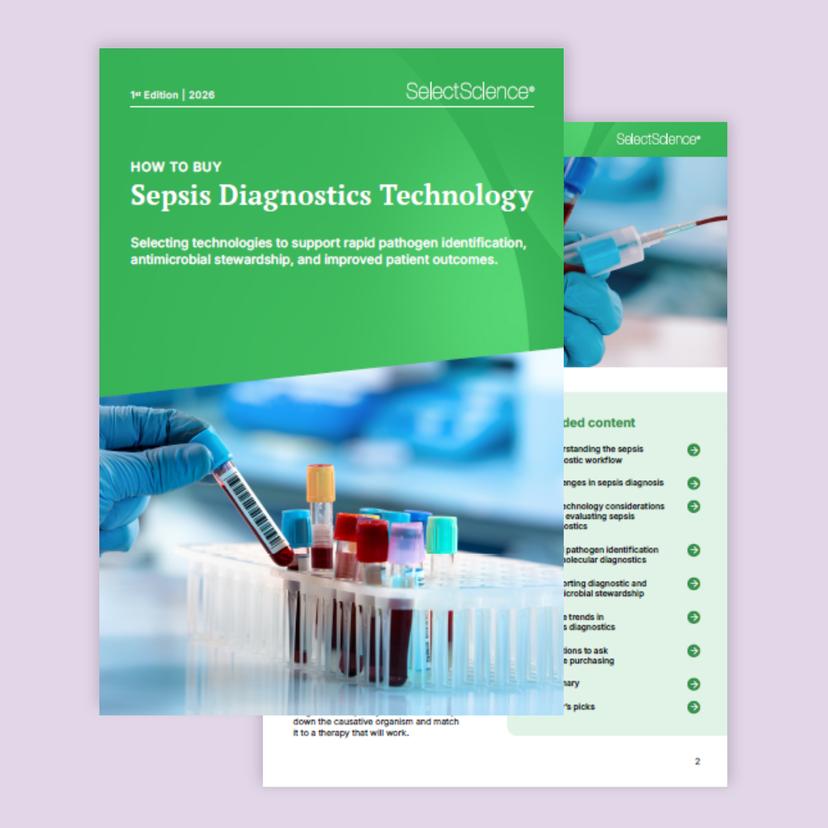
Sepsis diagnostics demand speed, accuracy, and a clear understanding of how new technologies fit across the wider laboratory workflow. This guide brings together practical advice on evaluating sepsis diagnostic technologies, from blood culture and rapid pathogen identification to molecular testing and antimicrobial susceptibility testing, alongside guidance on workflow integration, diagnostic stewardship, and making informed purchasing decisions.
Find the right sepsis diagnostics technology for your laboratory
Choosing sepsis diagnostics technology involves more than comparing turnaround times or the number of pathogens a platform can detect. Laboratories need to consider where a technology fits within the diagnostic pathway, which pathogens and resistance markers matter most to their patient population, how easily a platform integrates into existing workflows, and whether faster results can translate into faster clinical decisions.
The 1st edition of this SelectScience® guide explores the key considerations involved in selecting and implementing sepsis diagnostics technology, from blood culture and rapid pathogen identification through to antimicrobial susceptibility testing, molecular diagnostics, and result reporting
Explore practical guidance covering:
- The sepsis diagnostic workflow
- Key challenges in sepsis diagnosis
- Speed, turnaround time, and pathogen coverage
- Resistance marker detection
- Rapid pathogen identification and molecular diagnostics
- Workflow integration and implementation
- Diagnostic and antimicrobial stewardship
- Questions to ask before purchasing sepsis diagnostics technology
The guide also explores the evolving sepsis diagnostics landscape, including targeted and syndromic testing strategies, expanded resistance detection, artificial intelligence and clinical decision support, and emerging molecular approaches such as next-generation sequencing. Technology examples and expert peer reviews provide additional context to help laboratories assess available solutions against their own patient populations, testing volumes, workflow requirements, stewardship goals, and budgets.
Resource details:
- Document type: SelectScience guide
- Page count: 16
- Read time: 28 mins
- Edition: 1st
Frequently asked questions
Show frequently asked questions
What technologies are used to diagnose sepsis?
Sepsis diagnostics can involve a combination of blood culture, rapid pathogen identification, molecular diagnostics, antimicrobial susceptibility testing, and other laboratory technologies. Different approaches can support different stages of the diagnostic pathway, from identifying the causative pathogen to informing appropriate antimicrobial treatment.
What should laboratories consider when choosing sepsis diagnostics technology?
Key considerations include turnaround time, sensitivity and accuracy, pathogen and resistance marker coverage, workflow integration, testing volumes, implementation requirements, and cost. Laboratories should also consider how quickly results can be translated into clinically useful information.
Why is rapid pathogen identification important in sepsis?
Rapid identification can help laboratories provide clinicians with actionable information sooner. When incorporated effectively into the wider diagnostic and antimicrobial stewardship pathway, faster results can support more timely and targeted clinical decision-making.
What role does antimicrobial susceptibility testing play in sepsis diagnostics?
Antimicrobial susceptibility testing helps determine how susceptible a microorganism is to different antimicrobial treatments. When selecting technology, laboratories should consider how susceptibility testing fits alongside pathogen identification and resistance marker detection within their overall sepsis workflow.
How do molecular diagnostics support sepsis testing?
Molecular diagnostic technologies can enable rapid detection of specific pathogens and antimicrobial resistance markers. Laboratories should consider factors including assay coverage, sample type, workflow, turnaround time, and how molecular results complement other diagnostic methods.
How should laboratories compare different sepsis diagnostics solutions?
Rather than assessing a technology based on speed alone, laboratories should consider its performance across the complete diagnostic workflow. This includes clinical and laboratory requirements, pathogen coverage, resistance detection, workflow integration, throughput, implementation needs, and how results will support downstream decision-making.
What does the How to Buy Sepsis Diagnostics Technology guide include?
The SelectScience® guide provides practical advice to help laboratories evaluate sepsis diagnostics technology, including guidance on the diagnostic workflow, rapid pathogen identification, molecular diagnostics, antimicrobial susceptibility and resistance detection, implementation considerations, and emerging approaches.
Who is the Sepsis Diagnostics Technology guide for?
The guide is designed for laboratory professionals involved in evaluating, purchasing, implementing, or using sepsis diagnostics technology, as well as those looking to understand how different diagnostic approaches can fit into an effective sepsis testing workflow.