
Development and validation of a mass spectrometry solution for core laboratories begins at Australian hospital
An Australian hospital project aims to streamline clinical testing through automated sample preparation and connected laboratory informatics
4 Nov 2026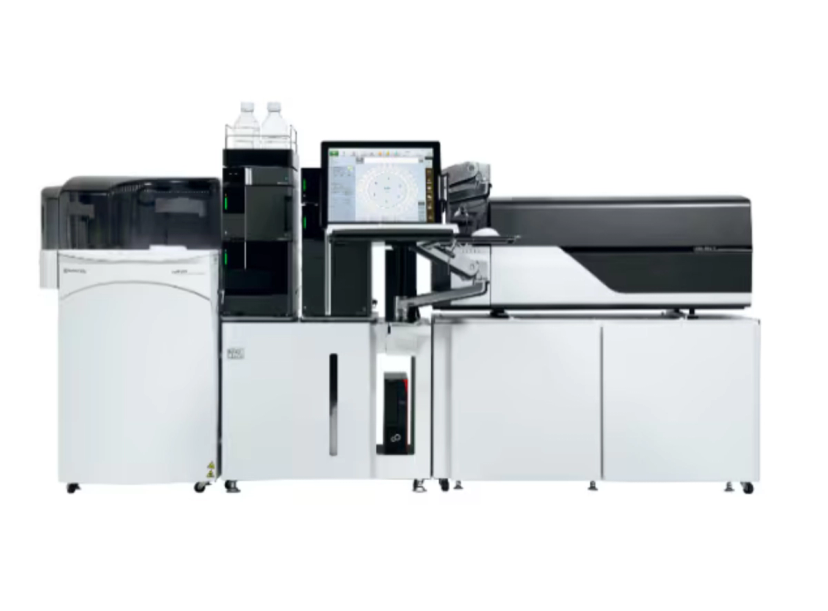
CLAM-2040 CL Fully Automated Sample Preparation Module and LCMS-8060 CL Triple Quadrupole Mass Spectrometer
Summary: Shimadzu Corporation is developing and validating an automated liquid chromatography–mass spectrometry (LC-MS) solution at St. Vincent’s Hospital in Melbourne, Australia. Integrating Shimadzu’s sample preparation and mass spectrometry systems with Abbott’s AlinIQ AMS laboratory informatics solution, the project aims to streamline core laboratory workflows and support faster, more reliable diagnostic testing.
Shimadzu Corporation has started the development and validation of a mass spectrometry solution for core laboratories at St. Vincent’s Hospital in Melbourne, Victoria, Australia. Shimadzu’s LC-MS-based automation solution has been integrated with Abbott Laboratories’ AlinIQ AMS laboratory informatics solution to streamline and automate clinical testing workflows in core laboratories. The solution is being developed and validated with the aim of supporting faster and more reliable diagnostic testing in healthcare settings.
Mass spectrometry using LC-MS is an analytical technique that directly measures compounds in biological samples such as blood at the molecular level, enabling highly accurate identification and quantification of target substances. Compared with conventional immunoassays, it offers superior analytical performance, reliability, and is widely used in applications such as therapeutic drug monitoring, infectious disease testing, and newborn screening.
While demand for advanced clinical testing continues to grow, driven by the increasing sophistication of healthcare, laboratories face challenges in securing personnel with specialized analytical expertise. As a result, the need for faster testing, workflow automation, and seamless data connectivity is becoming increasingly important.
Shimadzu’s automation solution, comprising the CLAM-2040 CL fully automated sample preparation module, the LCMS-8060 CL triple quadrupole mass spectrometer, and reagent kits, connected to Abbott’s AlinIQ AMS laboratory informatics solution, establishes a seamless mass spectrometry solution.
In the Mid-Term Management Plan announced on June 4, 2026, Shimadzu identified its clinical business, centered on molecular diagnostics, as one of its core growth drivers. Going forward, Shimadzu will continue to collaborate with global partners to advance the development and validation of clinical testing solutions, enhance customer value, and expand its business in the global healthcare market.
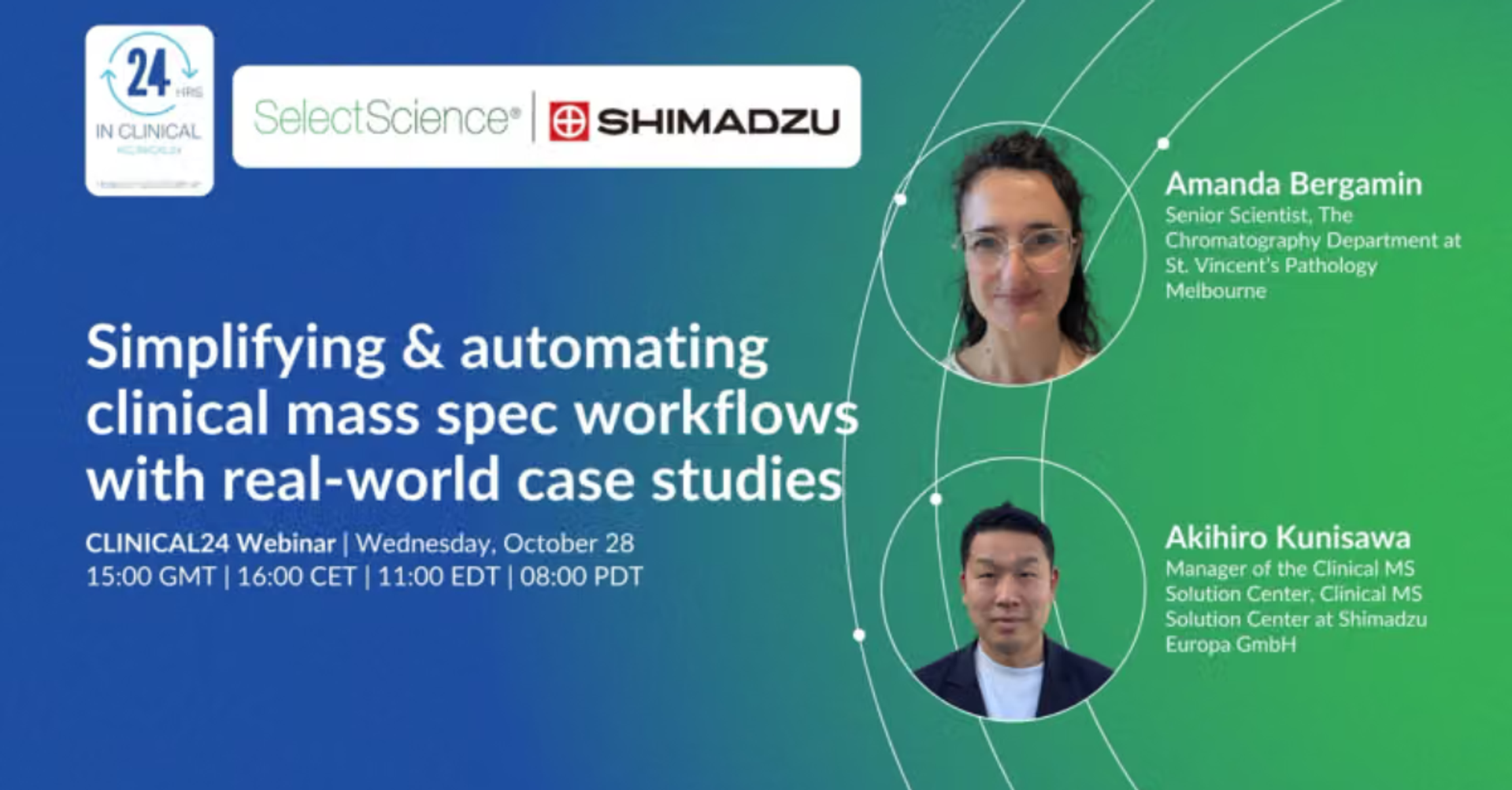
Want to learn more? Hear directly from the experts at St. Vincent’s Hospital in Melbourne in this exclusive webinar
Related products
Request Quote for All Products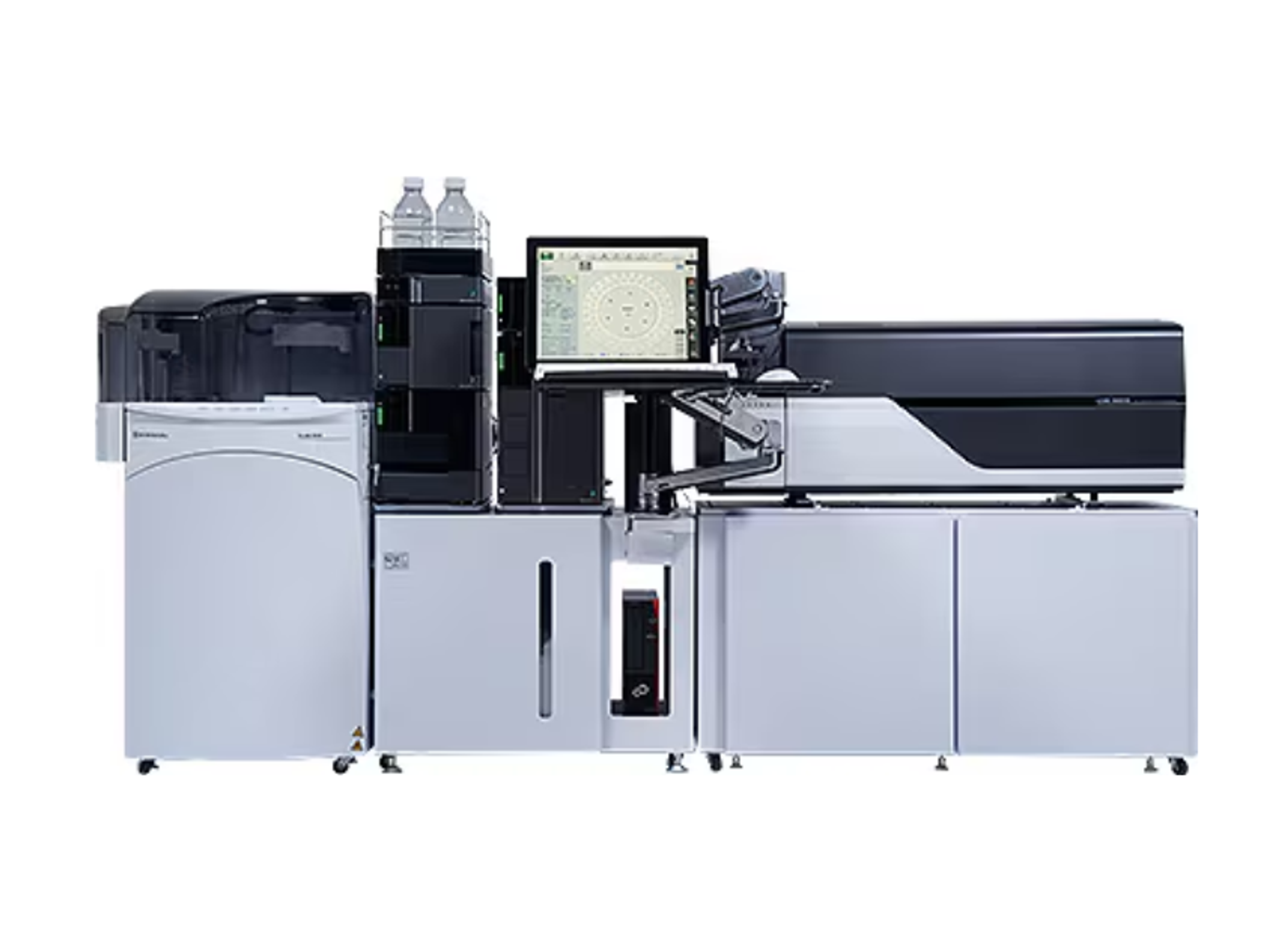
CLAM-2040
Shimadzu CorporationThe CLAM-2040 accompanies you on most of the analytical workflow and improves your overall throughput by drastically reducing the sample preparation time.
Links
Related content
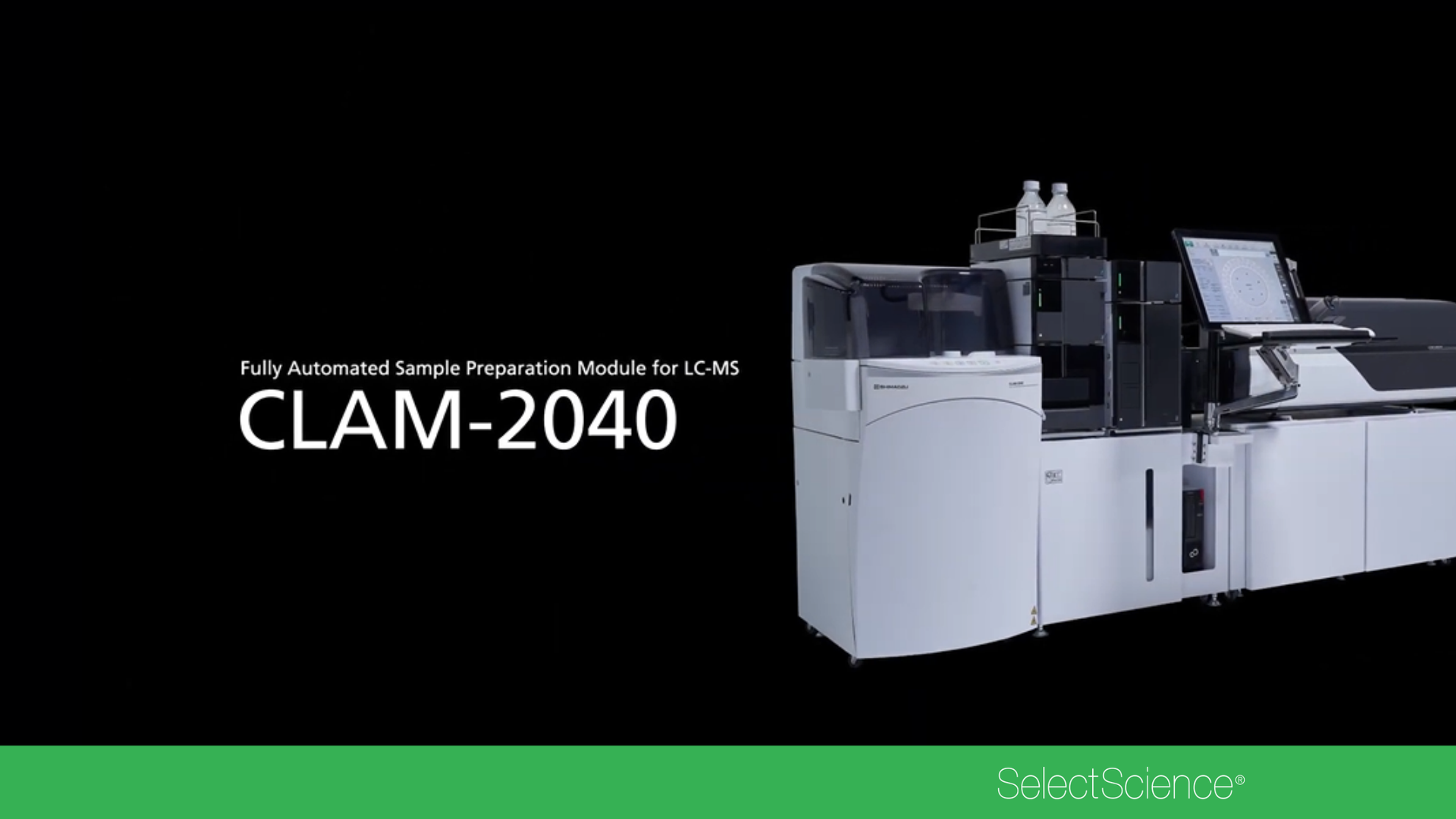
Introducing the Shimadzu CLAM-2040
Tags
Frequently asked questions
Show frequently asked questions
What is Shimadzu developing for core laboratories?
Shimadzu is developing and validating an automated LC-MS solution that integrates sample preparation, mass spectrometry and laboratory informatics to streamline clinical testing workflows in core laboratories.
Where is Shimadzu’s LC-MS solution being developed and validated?
Development and validation are taking place at St. Vincent’s Hospital in Melbourne, Victoria, Australia.
Which systems are included in the automated LC-MS solution?
The solution comprises Shimadzu’s CLAM-2040 CL fully automated sample preparation module, LCMS-8060 CL triple quadrupole mass spectrometer and reagent kits, connected to Abbott’s AlinIQ AMS laboratory informatics solution.
What is LC-MS used for in clinical testing?
Liquid chromatography–mass spectrometry measures compounds in biological samples, such as blood, to identify and quantify target substances. Clinical applications described in the article include therapeutic drug monitoring, infectious disease testing and newborn screening.
How could LC-MS automation support core laboratory workflows?
The project aims to streamline testing through automated sample preparation and connected laboratory informatics. It is being developed and validated to support faster, more reliable diagnostic testing as laboratories face growing demand and challenges in securing specialist analytical expertise.